
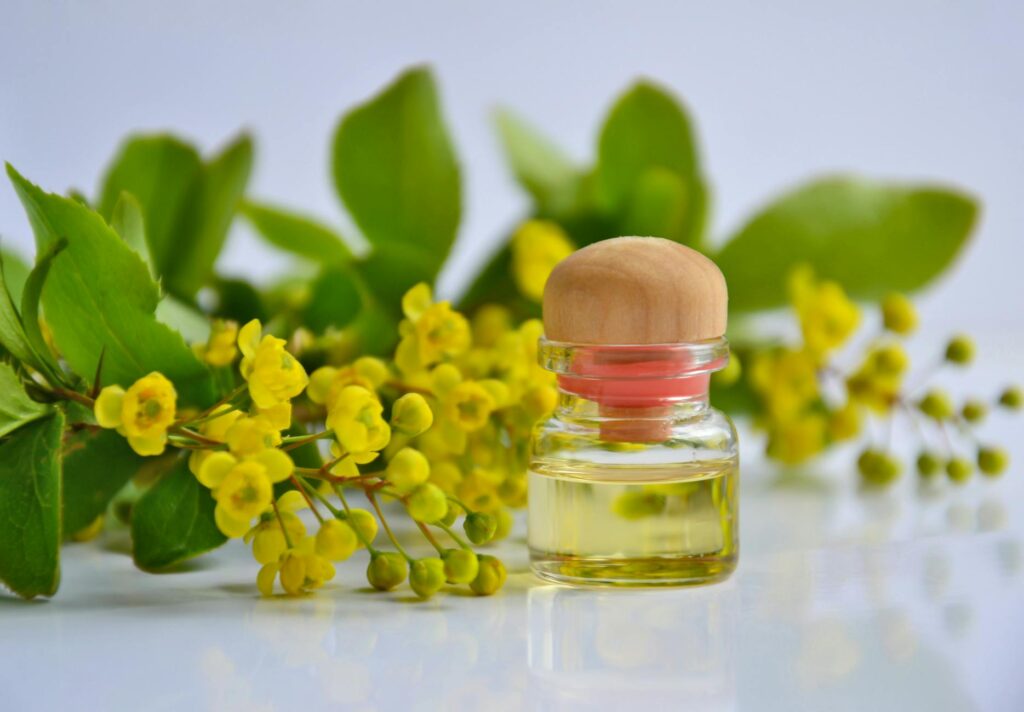
Aromatherapy Uses of Hawthorn Extract
Introduction
Aromatherapy, an ancient practice, leverages the natural properties of essential oils and plant extracts to promote physical, emotional, and mental well-being. Among the myriad of botanicals employed in this holistic therapy, hawthorn extract stands out for its unique characteristics and potential benefits. This article delves into the essence of hawthorn extract, exploring its properties, common uses, and applications within the realm of aromatherapy.
What Is Hawthorn Extract?
Hawthorn (Crataegus spp.) is a genus of shrubs and small trees belonging to the Rosaceae family. Renowned for its white or pink flowers and bright red berries, hawthorn has been utilized in traditional medicine for centuries, particularly in Europe and Asia. The extract is derived from the leaves, flowers, and berries of the hawthorn plant and is commonly available in various forms, including tinctures, capsules, and essential oils.
The primary constituents of hawthorn extract include flavonoids, proanthocyanidins, and phenolic acids. These compounds are thought to contribute to the extract’s antioxidant and anti-inflammatory properties, making it a valued ingredient in both herbal remedies and aromatherapy.
Key Benefits and Properties
Hawthorn extract is celebrated for several notable properties:
1. Antioxidant Activity: Rich in flavonoids and polyphenols, hawthorn exhibits significant antioxidant properties that may help combat oxidative stress in the body.
2. Cardiovascular Support: Traditionally, hawthorn has been associated with heart health. It is believed to enhance blood circulation and support the cardiovascular system.
3. Calming Effects: Some studies suggest that hawthorn may have mild sedative properties, making it useful for alleviating stress and anxiety.
4. Anti-inflammatory Effects: Hawthorn’s anti-inflammatory compounds may contribute to reducing inflammation, which can be beneficial in various contexts.
5. Digestive Aid: Traditionally, hawthorn has been used to support digestive health, potentially aiding in symptoms related to mild digestive discomfort.
Common Uses
Hawthorn extract is widely used in various forms for its perceived benefits. Here are some common applications:
- Herbal Supplements: Available as capsules or tinctures, hawthorn extract is often consumed to support cardiovascular health.
- Teas and Infusions: Dried hawthorn leaves and berries can be brewed into a tea, offering a soothing beverage with potential health benefits.
- Topical Applications: Hawthorn-infused oils or creams may be used for skin care, thanks to its anti-inflammatory properties.
- Aromatherapy Blends: Hawthorn essential oil can be incorporated into aromatherapy blends for its calming and uplifting effects.
- Consultation: Always consult with a qualified professional before using hawthorn extract, especially if you are pregnant, nursing, or taking prescription medications.
- Allergic Reactions: Individuals with allergies to plants in the Rosaceae family should exercise caution when using hawthorn extract, as it may trigger allergic reactions.
- Dosage: If taking hawthorn in supplement form, adhere to recommended dosages provided on product labels or by a healthcare professional.
- Skin Sensitivity: When using hawthorn in topical applications, perform a patch test first to check for any adverse skin reactions.
- Storage: Keep hawthorn extract in a cool, dark place, away from direct sunlight and moisture. If it comes in a glass bottle, store it upright and tightly sealed.
- Shelf Life: The shelf life of hawthorn extract can vary depending on the form and manufacturer. Generally, tinctures and essential oils can last for several years if stored correctly. Always check the expiration date on the product label.
Aromatherapy Applications
In the context of aromatherapy, hawthorn extract is often appreciated for its gentle scent and unique properties. Here are several ways hawthorn can be integrated into aromatherapy practices:
1. Calming Blends
Hawthorn extract can be combined with other essential oils known for their calming effects, such as lavender or chamomile. When diffused in a space, this blend may help create a serene atmosphere, promoting relaxation and emotional balance.
2. Stress Relief
Aromatherapy using hawthorn extract may support stress relief. When used in a massage oil or bath blend, it can provide a soothing experience, helping to ease tension in the body and mind.
3. Heart-Centered Practices
Given its traditional association with heart health, hawthorn extract is often used in practices aimed at fostering emotional healing and self-love. Incorporating it into meditation or yoga sessions may help individuals connect more deeply with their emotions.
4. Diffusion for a Harmonious Environment
Using a diffuser, hawthorn extract can be added to essential oil blends to create a harmonious and uplifting environment. Its gentle aroma is often described as floral and slightly sweet, making it suitable for various settings, from home to wellness studios.
5. Skin Care Formulations
In the realm of skincare, hawthorn extract can be combined with carrier oils and other essential oils to create nourishing blends that may benefit the skin. Its anti-inflammatory properties make it a potential ingredient in formulations aimed at soothing irritated skin.
Safety Considerations
While hawthorn extract is generally considered safe for most people when used appropriately, there are some important safety considerations to keep in mind:
Storage and Shelf Life
Proper storage of hawthorn extract is essential to maintain its potency and effectiveness. Here are some guidelines:
Frequently Asked Questions
1. Can hawthorn extract be used during pregnancy?
While hawthorn extract is generally regarded as safe for most people, pregnant women should consult healthcare professionals before using it, as its effects during pregnancy are not well-studied.
2. How is hawthorn extract used in aromatherapy?
Hawthorn extract can be diffused, blended with carrier oils for massage, or incorporated into skin care formulations to harness its calming and soothing properties.
3. Is hawthorn extract safe for children?
Due to limited research on the effects of hawthorn extract in children, it is advisable to consult a healthcare professional before use.
4. What is the best way to use hawthorn extract for stress relief?
Combining hawthorn extract with other calming essential oils in a diffuser or massage oil can create a soothing atmosphere conducive to relaxation and stress relief.
5. Where can I find hawthorn extract?
Hawthorn extract is commonly available in health food stores, herbal shops, and online retailers. Ensure you purchase from reputable sources to guarantee product quality.
Conclusion
Hawthorn extract is a versatile ingredient in the world of aromatherapy, offering potential benefits that extend beyond its pleasant aroma. From promoting relaxation to supporting emotional well-being, hawthorn’s unique properties make it a valuable addition to various aromatherapy practices. As with any botanical, awareness of safety considerations and individual responses is essential for a positive experience. By incorporating hawthorn extract thoughtfully, individuals can explore its potential to enhance their holistic health journey.