
Aromatherapy Uses of Helichrysum Oil Safety
Introduction
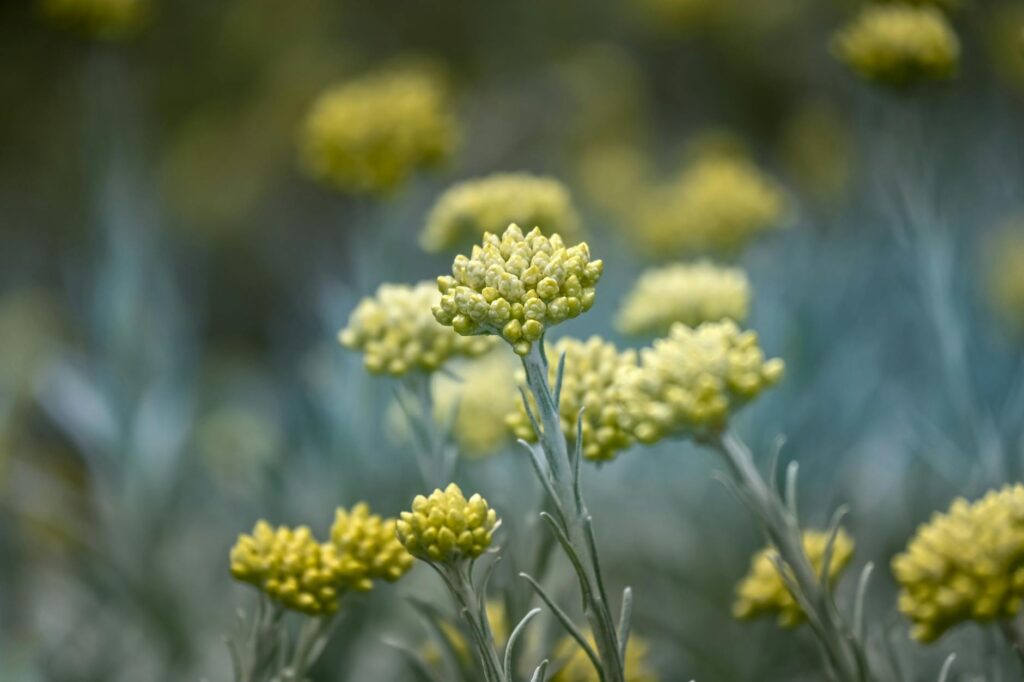
Helichrysum oil, derived from the flowers of the Helichrysum italicum plant, has gained prominence in aromatherapy due to its myriad potential benefits. Known for its sweet, herbal fragrance, this essential oil is often lauded for its versatility and rich history in traditional medicine. However, as with all essential oils, understanding the safety considerations surrounding Helichrysum oil is paramount for both novice and experienced users. This article delves into the safety, benefits, applications, and storage of Helichrysum oil, ensuring informed and responsible usage.
What Is Helichrysum Oil Safety?
Helichrysum oil is extracted through steam distillation from the flowering tops of the Helichrysum italicum plant, which is native to the Mediterranean region. The oil’s safety profile is determined by its chemical composition, which includes components like italidione, neryl acetate, and alpha-pinene. While generally considered safe for aromatherapy, there are essential safety guidelines to follow to minimize any potential risks.
Key Benefits and Properties
Helichrysum oil is celebrated for its numerous beneficial properties, making it a staple in the realm of aromatherapy:
1. Anti-Inflammatory: Helichrysum oil is often noted for its potential anti-inflammatory effects, which can be beneficial in soothing irritated skin.
2. Antioxidant: The oil contains compounds believed to provide antioxidant protection, helping to neutralize free radicals.
3. Skin Regeneration: Helichrysum oil is reputed for promoting skin health, often used in formulations aimed at reducing the appearance of scars and blemishes.
4. Relaxation: Its calming scent is frequently employed in aromatherapy practices to enhance relaxation and alleviate stress.
5. Pain Relief: Many users report that Helichrysum oil may help manage discomfort, making it a popular choice in muscle relief blends.
Common Uses
Helichrysum oil is used in various ways, including:
- Topical Applications: Often diluted in carrier oils for skin applications.
- Aromatherapy Diffusion: Used in diffusers to create a calming atmosphere.
- Inhalation: Can be inhaled directly or through steam inhalation for respiratory benefits.
- Bath Additive: Frequently added to bathwater for a soothing experience.
- Diffusion: Adding a few drops of Helichrysum oil to a diffuser can promote a serene environment, making it an excellent choice for meditation or relaxation sessions.
- Massage Oils: When combined with carrier oils such as jojoba or sweet almond oil, Helichrysum oil can be used in massage to alleviate tension and soreness.
- Skin Care Products: Its regenerative properties make it a popular ingredient in homemade lotions and creams targeting skin rejuvenation.
- Inhalation: Adding Helichrysum oil to a bowl of hot water for steam inhalation can help clear the airways and promote respiratory health.
- Dark Glass Bottles: Store Helichrysum oil in dark glass bottles to protect it from light, which can degrade its quality.
- Cool, Dry Place: Keep the bottle in a cool, dry place, away from direct sunlight and heat sources.
- Shelf Life: Typically, Helichrysum oil has a shelf life of 2-3 years when stored correctly. However, it’s advisable to check for any changes in color, scent, or viscosity before use.
Aromatherapy Applications
In aromatherapy, Helichrysum oil can be utilized in several ways:
Safety Considerations
While Helichrysum oil is generally considered safe, the following safety guidelines should be observed:
1. Dilution: Always dilute Helichrysum oil with a carrier oil before applying it to the skin. A common dilution ratio is 2-3% in a carrier oil for topical application.
2. Patch Test: Conduct a patch test before using it more broadly. Apply a small amount of diluted oil to a discreet area and wait 24 hours to check for any adverse reactions.
3. Pregnancy and Nursing: Consult a qualified professional before using Helichrysum oil during pregnancy or while nursing, as the effects on fetal development and nursing infants are not well-studied.
4. Children: Exercise caution when using essential oils around children. It’s advisable to consult a healthcare professional for appropriate usage guidelines.
5. Allergies: Individuals with known allergies to plants in the Asteraceae family (such as daisies, marigolds, and chrysanthemums) should avoid using Helichrysum oil due to the potential for allergic reactions.
6. Medication Interactions: If you are taking medications or have health concerns, consult with a healthcare professional before incorporating Helichrysum oil into your routine.
Storage and Shelf Life
Proper storage of Helichrysum oil is crucial for maintaining its quality. Here are some tips:
Frequently Asked Questions
1. Can Helichrysum oil be ingested?
Ingesting essential oils is a controversial topic. Helichrysum oil is primarily used for external applications and aromatherapy. Consult a healthcare provider before considering ingestion.
2. Is Helichrysum oil safe for sensitive skin?
Helichrysum oil may benefit sensitive skin, but it should always be diluted with a carrier oil and subjected to a patch test to avoid adverse reactions.
3. How can I use Helichrysum oil for scars?
For scars, Helichrysum oil can be mixed with a carrier oil and gently massaged onto the affected area. Regular application may promote skin regeneration.
4. What is the best carrier oil for Helichrysum oil?
Common carrier oils include jojoba oil, sweet almond oil, and coconut oil. The choice depends on personal preference and skin type.
5. Does Helichrysum oil have any side effects?
While Helichrysum oil is generally safe, potential side effects can include skin irritation if not properly diluted. Always perform a patch test before widespread use.
6. Can I use Helichrysum oil in a diffuser?
Yes, Helichrysum oil can be added to a diffuser to create a calming environment. It blends well with other essential oils like lavender and bergamot.
Conclusion
Helichrysum oil is a valuable addition to the world of aromatherapy, offering a range of beneficial properties and applications. However, safety must always be a priority. By adhering to dilution guidelines, conducting patch tests, and practicing informed usage, individuals can safely enjoy the myriad benefits of this remarkable essential oil. As with any natural product, knowledge and caution serve as the best companions on your aromatherapy journey.