
Aromatherapy Uses of Helichrysum Oil
Introduction
Aromatherapy, the practice of using essential oils for therapeutic benefits, has gained considerable popularity in recent years. Among the myriad of essential oils available, Helichrysum oil stands out for its unique properties and versatility. This article delves into the origins, benefits, common uses, and safety considerations associated with Helichrysum oil, providing a comprehensive overview for those interested in integrating this remarkable oil into their aromatherapy practices.
What Is Helichrysum Oil?
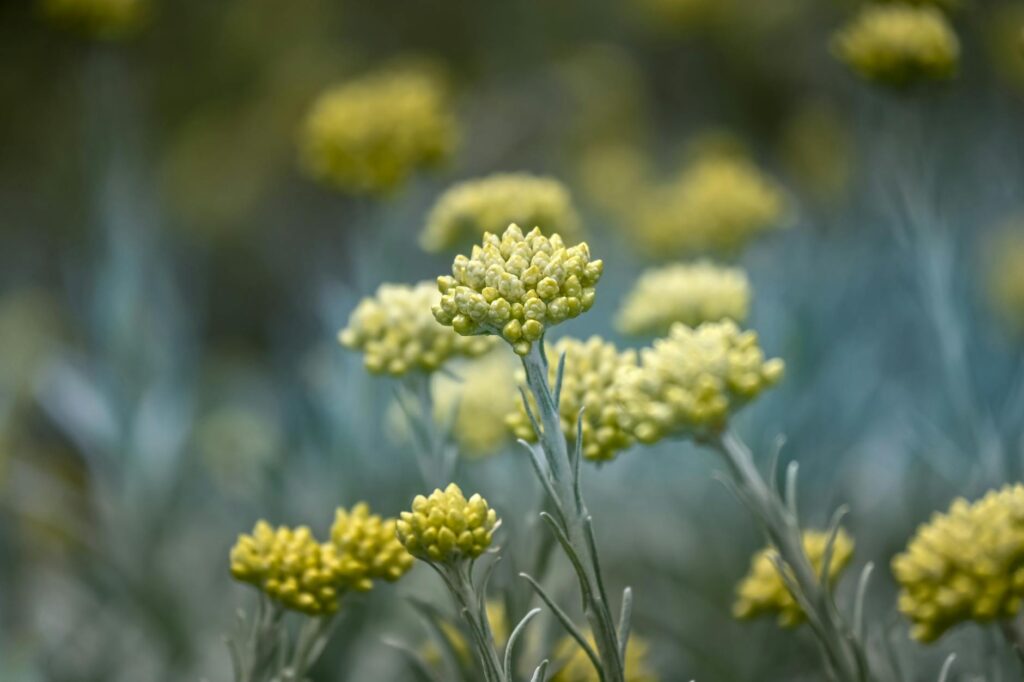
Helichrysum oil is derived from the flowers of the Helichrysum italicum plant, commonly known as the everlasting flower or immortelle. This perennial herb is native to the Mediterranean region, particularly found in countries like Italy, France, and Croatia. The oil is extracted through steam distillation of the flower heads, resulting in a potent and aromatic essential oil characterized by its warm, earthy scent with floral undertones.
Helichrysum oil is celebrated not only for its captivating fragrance but also for its rich phytochemical profile. It contains various compounds, including alpha-pinene, beta-pinene, and curcumin, which contribute to its therapeutic properties.
Key Benefits and Properties
Helichrysum oil is renowned for its numerous beneficial properties, making it a highly sought-after essential oil in aromatherapy. Some of the key benefits include:
1. Antioxidant Properties: Helichrysum oil possesses strong antioxidant properties, helping to combat oxidative stress and protect cells from damage caused by free radicals.
2. Anti-inflammatory Effects: This oil is known for its anti-inflammatory characteristics, potentially aiding in reducing inflammation in various conditions.
3. Skin Healing: Helichrysum oil is often used in skincare due to its skin-regenerative properties. It may promote healing and rejuvenation, making it a popular choice for reducing the appearance of scars and blemishes.
4. Emotional Support: The aroma of Helichrysum oil is thought to have a calming effect on emotions, promoting relaxation and mental clarity. It is often used in meditation and stress-relief practices.
5. Analgesic Effects: Some users report that Helichrysum oil can help alleviate discomfort, making it a valuable addition to massage blends and topical applications.
Common Uses
Helichrysum oil is employed in various applications, both in aromatherapy and everyday life. Here are some of the most common uses:
1. Skincare: Helichrysum oil is frequently incorporated into skincare products for its regenerative properties. It can be found in serums, creams, and lotions aimed at promoting skin health.
2. Massage: Due to its analgesic and anti-inflammatory properties, Helichrysum oil is often used in massage oils to help soothe sore muscles and joints.
3. Diffusion: Many individuals enjoy diffusing Helichrysum oil for its calming effects. When used in an essential oil diffuser, it can create a peaceful atmosphere, enhancing relaxation and mental clarity.
4. Baths: Adding a few drops of Helichrysum oil to a warm bath can provide a luxurious and soothing experience, promoting relaxation and alleviating stress.
5. Hair Care: Helichrysum oil is sometimes included in hair care products for its potential benefits in promoting a healthy scalp and shining hair.
Aromatherapy Applications
In aromatherapy, Helichrysum oil can be utilized in various ways to harness its therapeutic properties. Here are some effective applications:
1. Inhalation
Inhalation is one of the simplest ways to experience the benefits of Helichrysum oil. You can add a few drops to a personal inhaler or simply place a drop on a tissue and breathe deeply. This method is particularly effective for emotional support and mental clarity.
2. Diffuser Blends
Helichrysum oil blends well with other essential oils. Here are a few popular combinations:
- Relaxation Blend: Combine Helichrysum oil with lavender and chamomile for a calming atmosphere.
- Uplifting Blend: Mix Helichrysum oil with citrus oils like lemon or bergamot to create an energizing and mood-enhancing environment.
- Skin Regeneration: Add Helichrysum oil to a carrier oil and apply it to scars or blemishes.
- Muscle Relief: Create a massage blend by mixing Helichrysum oil with a carrier oil and massaging it into sore muscles.
- Store the oil in a dark glass bottle to protect it from light.
- Keep it in a cool, dry place, away from moisture and extreme temperatures.
- Seal the bottle tightly after each use to prevent oxidation.
3. Topical Application
When using Helichrysum oil topically, it is essential to dilute it with a carrier oil (such as jojoba or coconut oil) to avoid skin irritation. Common topical applications include:
4. Bath Soaks
For a rejuvenating bath experience, mix Helichrysum oil with Epsom salts or a carrier oil before adding it to your bathwater. This method allows for the oil’s soothing properties to be absorbed while you relax.
Safety Considerations
While Helichrysum oil is generally considered safe for use, it is still important to take certain precautions:
1. Dilution: Always dilute Helichrysum oil with a carrier oil before applying it to the skin. This helps prevent potential skin irritation and sensitization.
2. Patch Test: Conduct a patch test on a small area of skin before using Helichrysum oil more widely, especially if you have sensitive skin or are using it for the first time.
3. Consultation: If you are pregnant, nursing, or have any underlying health conditions, consult with a qualified healthcare professional before incorporating Helichrysum oil into your routine.
4. Storage: Keep Helichrysum oil in a cool, dark place, away from direct sunlight and heat, to maintain its potency and integrity.
Storage and Shelf Life
The shelf life of Helichrysum oil typically ranges from 2 to 3 years when stored properly. To ensure longevity, it is advisable to:
Frequently Asked Questions
1. Is Helichrysum oil safe for children?
Helichrysum oil can be used with caution for children. It is advisable to consult with a qualified aromatherapy practitioner or healthcare professional for guidance on safe usage and dilution ratios.
2. Can Helichrysum oil be ingested?
Ingesting essential oils is a topic of debate among aromatherapy practitioners. Helichrysum oil is not commonly recommended for internal use. Always consult with a healthcare professional before considering ingestion.
3. How can I tell if my Helichrysum oil is pure?
To ensure the purity of Helichrysum oil, look for oils that are labeled as 100% pure, therapeutic-grade, and sourced from reputable suppliers. Additionally, consider checking for third-party testing or certifications.
4. Can I use Helichrysum oil in my skincare routine?
Yes, Helichrysum oil is often used in skincare products for its healing properties. However, ensure it is properly diluted with a carrier oil before applying it to the skin.
Conclusion
Helichrysum oil is a remarkable essential oil with a rich history and a wide array of uses in aromatherapy. Its antioxidant, anti-inflammatory, and skin-healing properties make it a valuable addition to both personal care and holistic wellness practices. By understanding its benefits, applications, and safety considerations, individuals can confidently explore the potential of Helichrysum oil in their aromatherapy journeys.