
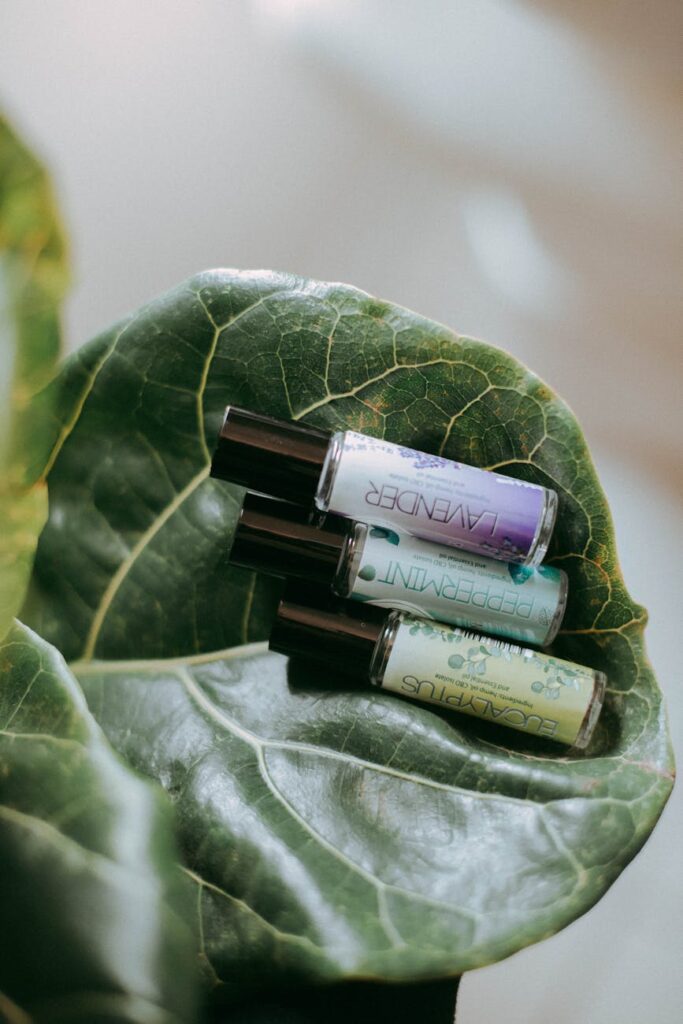
Aromatherapy Uses of Herbal Essential Oil Blends
Introduction
Aromatherapy, a holistic practice that utilizes essential oils extracted from plants, has gained significant popularity in recent years. Among the various categories of essential oils, herbal essential oil blends stand out due to their therapeutic properties and multifaceted applications. This article explores the definition of herbal essential oil blends, their benefits, common uses, and safety considerations, providing a comprehensive guide for those interested in incorporating these aromatic treasures into their lives.
What Is Herbal Essential Oil Blends?
Herbal essential oil blends are formulations composed of essential oils derived from various herbs. These blends are created by mixing different oils to enhance their individual properties, creating a synergistic effect. Commonly used herbs in these blends include lavender, rosemary, peppermint, thyme, and chamomile, among others. Each herb contributes unique characteristics, resulting in a diverse range of scents and effects.
Essential oils are typically extracted through methods such as steam distillation, cold pressing, or solvent extraction. The resulting concentrated liquids contain the natural aromatic compounds of the plant, which can be employed in various practices, including aromatherapy, cosmetics, and natural remedies.
Key Benefits and Properties
Herbal essential oil blends offer a multitude of benefits, thanks to the diverse properties of their individual components. Some of the key benefits include:
1. Relaxation and Stress Relief: Many herbal oils, such as lavender and chamomile, are renowned for their calming effects, helping to alleviate anxiety and promote relaxation.
2. Enhanced Focus and Concentration: Oils like rosemary and peppermint are known to stimulate mental clarity and enhance cognitive function, making them ideal for study or work environments.
3. Mood Enhancement: Certain blends can uplift the spirit and improve overall mood. Citrus-based oils, including lemon and sweet orange, are particularly effective in this regard.
4. Respiratory Support: Blends that include eucalyptus and peppermint can help clear the airways and support respiratory function, particularly during seasonal changes.
5. Skin Health: Many herbal oils possess antibacterial and antifungal properties, making them beneficial in skincare formulations for treating minor blemishes and promoting healthy skin.
6. Digestive Aid: Oils like ginger and peppermint are often included in blends aimed at supporting digestive health. Their soothing properties can help alleviate discomfort.
Common Uses
Herbal essential oil blends can be employed in a variety of settings and applications, including:
- Diffusion: One of the most popular methods of using essential oil blends, diffusion involves dispersing the oils into the air using a diffuser. This method allows the aromatic compounds to be inhaled, providing immediate benefits.
- Topical Application: Essential oils can be diluted with a carrier oil (such as jojoba or coconut oil) and applied directly to the skin. This method allows for targeted therapeutic effects.
- Bathing: Adding a few drops of herbal essential oil blends to bathwater can create a relaxing and aromatic experience, promoting mental and physical well-being.
- Massage: Incorporating essential oil blends into massage therapy enhances the relaxation and therapeutic effects of the treatment.
- Household Cleaning: Some herbal essential oils possess antimicrobial properties, making them suitable for natural cleaning solutions.
- Cool, Dark Place: Store essential oils in a cool, dark location away from direct sunlight and heat sources. A cabinet or drawer is ideal.
- Dark Glass Bottles: Use dark glass containers for storage, as they protect the oils from light exposure that can degrade their quality.
- Tightly Sealed: Ensure that the bottles are tightly sealed to prevent oxidation and evaporation.
Aromatherapy Applications
The versatility of herbal essential oil blends allows for a variety of aromatherapy applications:
1. Relaxation and Sleep Support
Blends containing lavender, chamomile, and bergamot can be diffused in the evening or added to a nighttime routine to promote restful sleep.
2. Focus and Study Aids
For enhanced concentration, blends featuring rosemary, lemon, and peppermint can be diffused in study areas or during work sessions.
3. Mood Boosting
Citrus blends or those containing ylang-ylang and geranium can be used in social settings to uplift the atmosphere and promote positive interactions.
4. Respiratory Relief
Inhaling blends with eucalyptus and tea tree oil can provide relief during colds or allergy seasons. A steam inhalation with these oils can be particularly beneficial.
5. Skin Care
Herbal blends designed for skincare often include oils like tea tree, lavender, and frankincense, which can be used in formulations for facial serums or creams.
Safety Considerations
While herbal essential oil blends offer numerous benefits, they must be used with caution. Here are some important safety considerations:
1. Dilution: Always dilute essential oils with a carrier oil before applying them to the skin. This reduces the risk of irritation and enhances safety.
2. Patch Test: Conduct a patch test before using a new blend to check for any allergic reactions or sensitivities.
3. Pregnancy and Nursing: Some essential oils are contraindicated during pregnancy or nursing. It is advisable to consult a qualified professional for guidance.
4. Children and Pets: Certain essential oils can be harmful to children and pets. Always research specific oils before using them in households with young children or animals.
5. Quality of Oils: Choose high-quality, pure essential oils from reputable sources. Adulterated or synthetic oils may not provide the desired effects and can pose health risks.
6. Consulting Professionals: If you have underlying health conditions or are taking medication, consult a healthcare professional before using essential oils, especially in high concentrations.
Storage and Shelf Life
Proper storage of herbal essential oil blends is essential for maintaining their efficacy and aroma. Here are some storage tips:
Shelf Life
The shelf life of herbal essential oils varies depending on the type of oil and storage conditions. Generally, most essential oils remain potent for 1-3 years when stored properly. However, some oils, like citrus oils, may have a shorter shelf life (6 months to 1 year). Regularly check for changes in color, scent, or viscosity, as these changes may indicate that the oil has degraded.
Frequently Asked Questions
1. Can I create my own herbal essential oil blends?
Yes, creating your own blends can be a fun and rewarding process. Start by researching the properties of different essential oils and experiment with small amounts to find combinations that resonate with your preferences.
2. How do I use herbal essential oil blends in my daily routine?
Incorporate essential oil blends into your daily routine through diffusion, topical application, or adding them to baths. Experiment with different times of the day to see when you experience the most benefit.
3. Are there any specific blends for seasonal changes?
Yes, blends that include eucalyptus, peppermint, and lemon can be particularly beneficial during seasonal transitions, helping to support respiratory health and uplift mood.
4. Can essential oils be used in cooking or food preparation?
Some essential oils, such as lemon or peppermint, can be used in cooking. However, ensure that the oils are food-grade and safe for consumption. Consult a reliable source for guidance on culinary uses.
5. What should I do if I experience irritation from an essential oil?
If you experience irritation, immediately dilute the area with a carrier oil and discontinue use of the blend. If the irritation persists, consult a healthcare professional.
Conclusion
Herbal essential oil blends offer a rich tapestry of benefits and applications, making them a valuable addition to holistic wellness practices. From promoting relaxation to enhancing focus and supporting physical health, these aromatic oils can enrich our daily lives. By understanding their properties, proper usage, and safety considerations, individuals can harness the power of herbal essential oil blends for a more balanced and harmonious existence.