
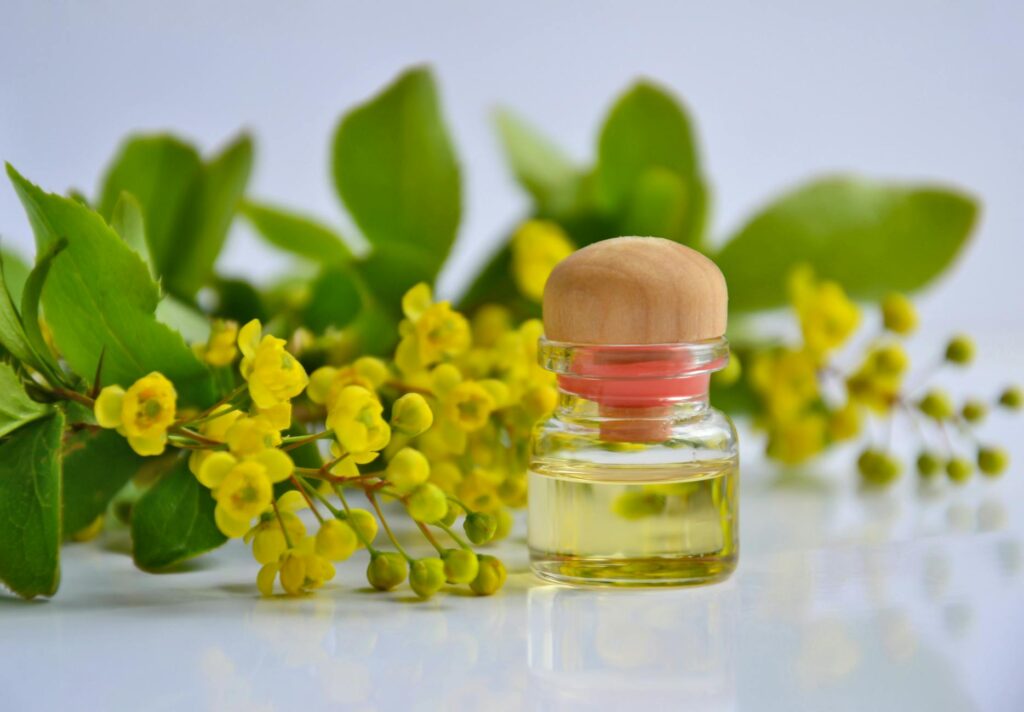
Aromatherapy Uses of Herbal Essential Oils
Introduction
Aromatherapy, a holistic healing practice, utilizes the fragrant properties of essential oils derived from plants to enhance physical, emotional, and mental well-being. Among the diverse types of essential oils, herbal essential oils play a significant role due to their unique scents and therapeutic properties. This article delves into the world of herbal essential oils, exploring their benefits, common applications, safety considerations, and more.
What Are Herbal Essential Oils?
Herbal essential oils are concentrated extracts obtained from various parts of aromatic plants, including leaves, flowers, stems, and roots. These oils capture the plant’s natural fragrance and beneficial properties, making them popular in aromatherapy, personal care, and wellness products. Unlike synthetic fragrances, herbal essential oils are derived from natural sources and are often used for their therapeutic effects.
Common herbal essential oils include:
- Basil: Known for its uplifting scent, basil essential oil is derived from the leaves of the Ocimum basilicum plant.
- Rosemary: Extracted from the leaves of Rosmarinus officinalis, this oil is celebrated for its stimulating properties.
- Thyme: The oil from Thymus vulgaris has a warm, earthy aroma and is often used for its purifying qualities.
- Sage: Salvia officinalis, or sage, provides a calming scent and is known for its grounding effects.
- Diffusion: One of the most common methods of using essential oils is through diffusion. An essential oil diffuser disperses the oil’s aroma into the air, creating a pleasant environment that can uplift mood and promote relaxation.
- Inhalation: Direct inhalation of essential oils can provide immediate benefits. This can be done by adding a few drops of oil to a tissue or a cotton ball and inhaling deeply.
- Topical Application: Many herbal essential oils can be diluted with a carrier oil and applied directly to the skin. This method allows for localized benefits, such as soothing sore muscles or providing a calming effect.
- Bathing: Adding a few drops of herbal essential oil to a warm bath can create a luxurious and therapeutic experience. This method is especially beneficial for relaxation and stress relief.
- Massage: Combining herbal essential oils with massage oil enhances the therapeutic benefits of both the massage and the oils, promoting relaxation and easing tension.
- Stress Relief: Oils such as lavender, basil, and chamomile can create a calming atmosphere, making them ideal for stress relief. They are often used in relaxation blends and bedtime routines.
- Focus and Concentration: Essential oils like rosemary and peppermint are favored for their stimulating properties, which can enhance focus and mental clarity. These oils are beneficial for study sessions or work environments.
- Mood Enhancement: Citrus essential oils like bergamot and lemon, along with herbal oils such as basil and sage, can uplift spirits and promote positive emotions. They are often used in blends aimed at combating feelings of sadness or fatigue.
- Sleep Support: Herbal essential oils like lavender and chamomile are popular for promoting restful sleep. Incorporating these oils into bedtime routines can create a soothing environment conducive to relaxation.
- Respiratory Support: Essential oils such as eucalyptus and thyme can assist in respiratory wellness. They are often used in blends designed to support clear breathing.
- Cool, Dark Place: Store essential oils in a cool, dark location away from direct sunlight and heat sources. This helps prevent oxidation and degradation.
- Tightly Sealed Containers: Ensure that essential oils are kept in tightly sealed glass containers to minimize exposure to air, which can affect their quality.
- Shelf Life: Most essential oils have a shelf life of 1 to 3 years, though some may last longer. Citrus oils tend to have a shorter shelf life, while oils like sandalwood can last for several years.
Key Benefits and Properties
Herbal essential oils offer a range of benefits and properties that contribute to their effectiveness in aromatherapy:
1. Emotional Support: Many herbal essential oils are known for their ability to influence mood and emotional states. For example, basil oil may help reduce stress and anxiety, while rosemary can enhance mental clarity.
2. Physical Wellness: Certain herbal oils possess properties that may support physical well-being. Thyme and sage oils, for instance, are often noted for their purifying effects.
3. Antimicrobial Properties: Several herbal essential oils have demonstrated antimicrobial activity, making them useful in natural cleaning solutions and personal care products.
4. Anti-inflammatory Effects: Some herbal oils, such as rosemary, are recognized for their potential anti-inflammatory properties, which may provide comfort during periods of discomfort.
5. Digestive Aid: Certain herbal oils, such as peppermint, are often used for their digestive support properties.
Common Uses
Herbal essential oils can be employed in various ways, contributing to their versatility in aromatherapy:
Aromatherapy Applications
The practical applications of herbal essential oils in aromatherapy are vast:
Safety Considerations
While herbal essential oils are generally considered safe for use in aromatherapy, it is essential to follow safety guidelines:
1. Dilution: Essential oils should be diluted in a carrier oil before topical application to minimize the risk of skin irritation. Common carrier oils include sweet almond oil, jojoba oil, and coconut oil.
2. Patch Test: Conduct a patch test on a small area of skin before using a new essential oil to check for any adverse reactions.
3. Pregnancy and Nursing: Pregnant or nursing individuals should consult with a healthcare professional before using essential oils, as some may not be safe during these times.
4. Children and Pets: Special care should be taken when using essential oils around children and pets. Some oils may not be suitable for them, so research and caution are advised.
5. Quality of Oils: Only use high-quality, pure essential oils from reputable sources. Adulterated or synthetic oils may not provide the desired benefits and can pose risks.
Storage and Shelf Life
Proper storage of herbal essential oils is crucial to maintaining their potency and effectiveness:
Frequently Asked Questions
1. Can I use herbal essential oils every day?
Yes, many people use herbal essential oils daily. However, it is essential to monitor how your body reacts and to vary the oils used to prevent sensitization.
2. Are there any essential oils that should be avoided?
Certain essential oils, such as those derived from wintergreen or birch, should be avoided in high concentrations due to their potential toxicity. Always research and use caution.
3. Can I use essential oils in cooking?
Some herbal essential oils, such as peppermint or lemon, are safe for culinary use in small quantities. However, it is crucial to ensure that the oils are food-grade and to consult a knowledgeable source on usage.
4. What is the difference between essential oils and fragrance oils?
Essential oils are natural extracts from plants, while fragrance oils are often synthetic mixtures that do not provide the same therapeutic benefits. Essential oils retain the plant’s natural properties, while fragrance oils may lack these characteristics.
5. How do I choose the right essential oil for my needs?
Choosing the right essential oil depends on your specific needs and preferences. Research the properties of various oils and their effects to find those that align with your goals.
Conclusion
Herbal essential oils offer a rich tapestry of scents and therapeutic properties that can enhance well-being in various ways. From promoting relaxation to supporting mental clarity, these oils serve as valuable tools in the practice of aromatherapy. By understanding their benefits, applications, and safety considerations, individuals can effectively incorporate herbal essential oils into their daily lives for a holistic approach to wellness.