
Aromatherapy Uses of Herbal Immune Defense Essential Oil Blends
Introduction
The pursuit of well-being and holistic health has propelled essential oils into the spotlight, particularly within the field of aromatherapy. Among the myriad of essential oil blends available, “Herbal Immune Defense” blends have gained attention for their potential to support the immune system. This article delves into the characteristics, benefits, applications, and safety considerations of these specialized blends, providing a comprehensive overview for those interested in enhancing their wellness through the power of plants.
What Is Herbal Immune Defense Essential Oil Blends?
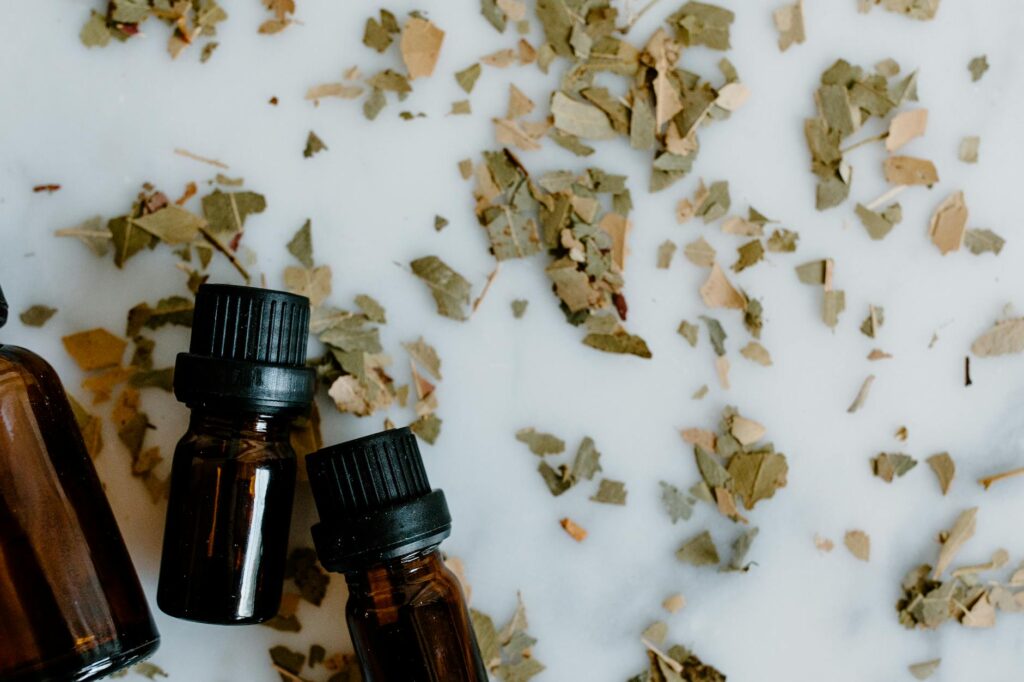
Herbal Immune Defense Essential Oil Blends typically consist of a synergistic combination of essential oils derived from various herbs known for their potential immune-supporting properties. Commonly included oils may feature eucalyptus, tea tree, thyme, oregano, and rosemary, among others. These oils are extracted from different parts of plants—leaves, flowers, stems, and roots—through steam distillation or cold pressing.
The formulation of these blends often aims to harness the combined therapeutic effects of multiple oils, promoting an enhanced aromatic experience and potential efficacy. The blends may vary based on the manufacturer or intended use, but they generally share a common goal: to bolster the body’s natural defenses.
Key Benefits and Properties
Herbal Immune Defense Essential Oil Blends are celebrated for several key properties, which may include:
1. Antimicrobial Properties: Many essential oils used in these blends possess natural antimicrobial qualities. This can help in creating an environment less conducive to the proliferation of harmful microorganisms.
2. Anti-inflammatory Effects: Some oils may help reduce inflammation, which can support overall immune function.
3. Respiratory Support: Oils like eucalyptus and peppermint are often included for their potential to support respiratory health, which can be crucial during times of seasonal illness.
4. Mood Enhancement: The aromatic compounds in these oils can have uplifting effects on mood, thereby contributing to overall wellness and resilience.
5. Stress Reduction: Stress can negatively impact the immune system. Essential oils such as lavender and bergamot may help promote relaxation and reduce tension.
Common Uses
Herbal Immune Defense Essential Oil Blends can be utilized in various ways, including:
1. Diffusion: Adding a few drops of the blend to a diffuser can disperse the aroma throughout a space, creating an inviting atmosphere while potentially providing respiratory support.
2. Topical Application: Diluting the blend with a carrier oil and applying it to pulse points or the chest may aid in promoting a sense of well-being and comfort.
3. Inhalation: Direct inhalation from the bottle or a tissue is a quick way to experience the oils’ aromatic properties.
4. Bathing: Incorporating the blend into a warm bath can create a soothing experience, combining both aromatic benefits and relaxation.
5. Cleaning Products: Some individuals add these essential oil blends to homemade cleaning solutions, taking advantage of their antimicrobial properties in household settings.
Aromatherapy Applications
In aromatherapy, Herbal Immune Defense Essential Oil Blends can be applied through various methods to maximize their benefits:
1. Diffusion in Home Environments
Using a diffuser is one of the most popular methods. When diffused, the essential oils can disperse into the air, allowing for easy inhalation. This method not only promotes a pleasant aroma but may also contribute to a more hygienic indoor environment.
2. Massage Therapy
When diluted with a carrier oil—such as sweet almond, jojoba, or coconut oil—these blends can be used during massage therapy. The act of massage can enhance relaxation and improve circulation, potentially amplifying the benefits of the essential oils.
3. Steam Inhalation
For respiratory support, steam inhalation can be particularly effective. Adding a few drops of the essential oil blend to a bowl of hot water, covering the head with a towel, and inhaling the steam can provide a soothing experience.
4. Personal Inhalers
Creating a personal inhaler with the essential oil blend can provide on-the-go access to the aromatic properties. Inhalers are small, portable, and allow for easy inhalation without the need for dilution.
5. DIY Products
Individuals may also consider incorporating Herbal Immune Defense blends into homemade lotions, balms, or sprays, creating personalized products tailored to their preferences.
Safety Considerations
While essential oils can offer various benefits, it is essential to approach their use with caution:
1. Dilution: Always dilute essential oils with a carrier oil before applying them to the skin to prevent irritation.
2. Allergies and Sensitivities: Conduct a patch test to check for allergic reactions. If you have known allergies to certain plants, proceed with caution.
3. Pregnancy and Nursing: Pregnant or nursing individuals should consult a healthcare professional before using essential oils.
4. Children and Pets: Some essential oils may not be safe for use around children or pets. Always check for specific guidelines regarding the oils in your blend.
5. Quality of Essential Oils: Choose high-quality, pure essential oils from reputable sources to ensure safety and efficacy.
Storage and Shelf Life
Proper storage is vital for maintaining the integrity of essential oils:
1. Cool, Dark Place: Store essential oils in a cool, dark place, away from direct sunlight or heat sources to prevent degradation.
2. Tight Seals: Ensure that bottles are tightly sealed to minimize exposure to air, which can oxidize oils.
3. Glass Containers: Amber or cobalt blue glass containers are ideal for storage, as they protect oils from light.
Generally, essential oils can last from 1 to 5 years, depending on the type. Citrus oils tend to have a shorter shelf life, while others, like patchouli and sandalwood, may last longer.
Frequently Asked Questions
1. Can I use Herbal Immune Defense Essential Oil Blends every day?
While many individuals incorporate essential oils into their daily routines, it’s best to vary usage and allow for breaks to prevent sensitivity.
2. How do I choose the right blend for me?
Personal preferences and specific needs can guide your choice. Consider your aromatic preferences and any specific benefits you seek, such as respiratory support or stress relief.
3. Are there any contraindications for using these blends?
Yes, individuals with certain conditions, such as asthma or skin sensitivities, should consult with a healthcare professional before use.
4. Can I mix different essential oil blends?
Creating your own blends can be a rewarding experience. However, ensure that the oils you choose are compatible and safe for blending.
5. Are there any specific brands recommended for Herbal Immune Defense Essential Oil Blends?
Numerous reputable brands offer high-quality essential oils. Researching customer reviews and checking for third-party testing can help ensure you select a trustworthy product.
Conclusion
Herbal Immune Defense Essential Oil Blends offer an intriguing avenue for those interested in enhancing their wellness through aromatherapy. With their diverse properties and applications, these blends can support a holistic approach to health. However, it is essential to approach their use with mindfulness and care, ensuring that safety considerations are always prioritized. By understanding the benefits and applications of these essential oils, individuals can make informed choices that align with their wellness journey.