
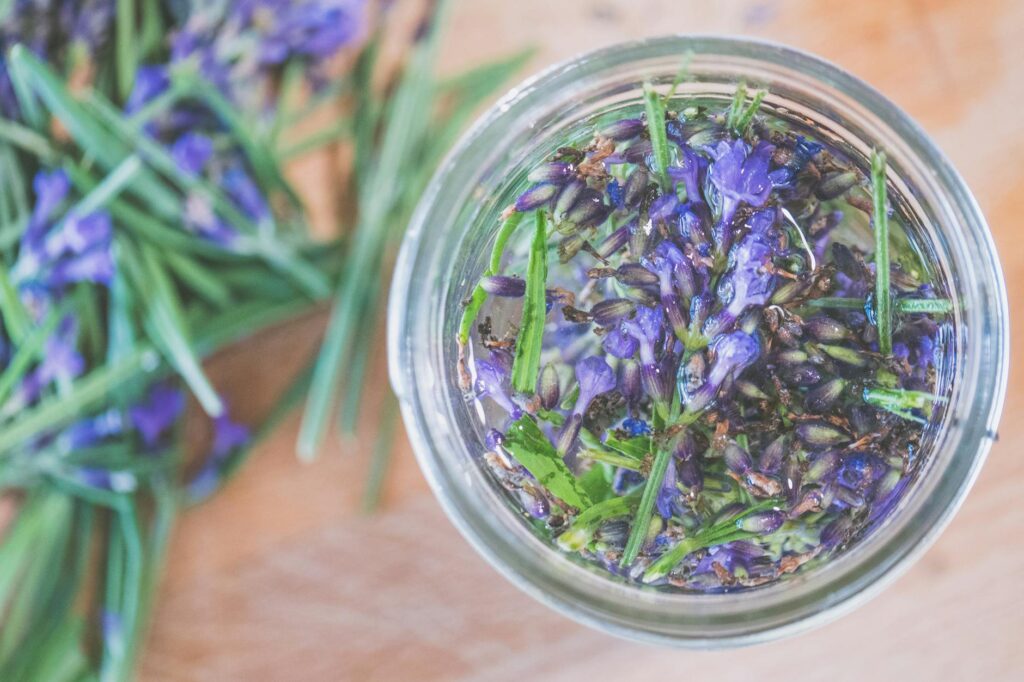
Aromatherapy Uses of Herbal Infused Beverages
Introduction
Aromatherapy, the practice of using aromatic plant extracts and essential oils for therapeutic purposes, has gained significant recognition in recent years. While many associate aromatherapy with diffusers and topical applications, herbal infused beverages offer a unique and delightful avenue for experiencing the benefits of aromatic herbs. This article explores the world of herbal infused beverages, their properties, common uses, and how they can enhance the principles of aromatherapy.
What Is Herbal Infused Beverages?
Herbal infused beverages are drinks made by steeping various herbs, flowers, and botanicals in hot water, similar to traditional tea-making. These infusions can vary widely in flavor, aroma, and therapeutic properties, depending on the ingredients used. Common herbs for infusion include chamomile, peppermint, hibiscus, and lemon balm, among others. The process of infusion allows the active compounds within the herbs to dissolve into the water, creating a flavorful and aromatic beverage that captures the essence of the plants.
Key Benefits and Properties
Herbal infused beverages offer a range of benefits that align with the principles of aromatherapy. Some key properties include:
1. Aromatherapy Effects: The aromatic compounds released during infusion can stimulate the senses, promote relaxation, and enhance mood.
2. Digestive Aid: Many herbs, such as ginger and peppermint, are known for their digestive properties, making herbal infusions a popular choice for aiding digestion.
3. Hydration: Infused beverages provide a flavorful alternative to plain water, encouraging increased fluid intake, which is essential for overall health.
4. Antioxidant Properties: Many herbs are rich in antioxidants, which can help combat oxidative stress in the body.
5. Caffeine-Free Options: Herbal infusions are typically caffeine-free, making them suitable for individuals sensitive to caffeine or seeking to reduce their intake.
Common Uses
Herbal infused beverages can be enjoyed in various ways, each serving a specific purpose. Here are some common uses:
1. Relaxation and Stress Relief: Infusions of chamomile or lavender are often used to promote relaxation and alleviate stress.
2. Digestive Health: Peppermint and ginger-infused beverages are commonly consumed after meals to support digestion.
3. Sleep Aid: Herbal blends containing valerian root or passionflower are popular choices for those seeking natural sleep support.
4. Boosting Immunity: Echinacea and elderberry infusions are often used for their potential immune-boosting properties.
5. Refreshing Beverages: Herbal infusions can be enjoyed hot or iced, making them versatile for different seasons and occasions. Hibiscus and lemongrass, for example, can be served chilled for a refreshing summer drink.
Aromatherapy Applications
The aromatic properties of herbal infused beverages can complement aromatherapy practices in various ways:
1. Creating Atmosphere: The aroma released during the infusion process can enhance the ambiance of a space. Enjoying a cup of herbal tea while practicing mindfulness or meditation can deepen the experience.
2. Pairing with Essential Oils: Some herbal infusions can be paired with complementary essential oils for a multi-sensory experience. For example, a calming chamomile infusion can be combined with lavender essential oil in a diffuser to create a soothing environment.
3. Enhanced Meditation: Sipping on herbal infusions during meditation can help ground individuals and enhance focus. The aroma and taste can serve as anchors for mindfulness practices.
4. Support for Aromatherapy Sessions: Infused beverages can be offered during aromatherapy sessions as a way to enhance relaxation and create a holistic experience. Choosing herbs that align with the goals of the session can amplify the effects.
Safety Considerations
While herbal infused beverages can be beneficial, it is essential to approach their use with caution:
1. Allergies and Sensitivities: Some individuals may be allergic or sensitive to certain herbs. It is advisable to conduct a patch test or seek guidance if trying a new herb for the first time.
2. Interactions with Medications: Certain herbs may interact with prescription medications. Individuals taking medications should consult a healthcare professional before incorporating new herbs into their routine.
3. Pregnancy and Lactation: Some herbs should be avoided during pregnancy or while breastfeeding. Pregnant and nursing individuals should seek advice from a qualified professional regarding safe herbal options.
4. Dosage and Duration: Moderation is key. Overconsumption of certain herbs can lead to adverse effects. It is wise to limit intake and vary the herbs used to avoid potential toxicity.
Storage and Shelf Life
Proper storage is crucial to maintain the quality and flavor of herbal infused beverages:
1. Fresh Herbs: Fresh herbs should be used promptly to ensure maximum flavor and aroma. If not used immediately, they can be stored in the refrigerator for a few days.
2. Dried Herbs: Dried herbs should be stored in a cool, dark place in an airtight container to prevent exposure to light and moisture. When stored correctly, dried herbs can last for several months to a year.
3. Infused Beverages: Once prepared, herbal infusions should be consumed within 24 hours if stored in the refrigerator to maintain freshness. If infused drinks are left at room temperature, they should be consumed within a few hours.
Frequently Asked Questions
Q: Can I mix different herbs in my infusion?
A: Yes, blending different herbs can create unique flavors and enhance the therapeutic benefits. However, it’s essential to research the properties of each herb to ensure compatibility.
Q: Are there any herbs that should be avoided?
A: Some herbs, like St. John’s Wort, can interact with medications. It’s prudent to research each herb and consult with a professional if you have concerns.
Q: Can I sweeten my herbal infusion?
A: Yes, natural sweeteners like honey or agave syrup can be added to enhance flavor. However, it’s best to use sweeteners in moderation to maintain the health benefits of the infusion.
Q: How long should I steep herbs for?
A: Steeping times vary depending on the herb. Generally, delicate herbs like chamomile require 5-7 minutes, while sturdier herbs like rosemary or ginger may need 10-15 minutes. Adjust steeping times based on the flavor profile you prefer.
Q: Can I use herbal infusions in cooking or baking?
A: Absolutely. Herbal infusions can be used as a flavorful base for soups, sauces, or even in baked goods. This adds an aromatic twist to your culinary creations.
Conclusion
Herbal infused beverages represent a delightful intersection of culinary enjoyment and aromatherapy. With their diverse flavors, aromatic properties, and potential benefits, these infusions can enhance relaxation and well-being. By understanding the key benefits, applications, and safety considerations, individuals can explore and enjoy the rich world of herbal infused beverages while embracing the principles of aromatherapy. Whether sipped alone or as part of a broader wellness routine, these beverages offer a fragrant pathway to holistic health and vitality.