
Aromatherapy Uses of Herbal Infused Jellies
Introduction
Aromatherapy has been embraced for centuries as a holistic approach to well-being, utilizing the natural properties of plants to promote physical, emotional, and spiritual health. Among the diverse methods of harnessing the benefits of plants, herbal infused jellies have emerged as a unique and versatile medium. These jellies not only offer the aromatic qualities of essential oils but also incorporate the flavors and properties of various herbs. This article delves into the world of herbal infused jellies, exploring their uses in aromatherapy, benefits, safety considerations, and more.
What Is Herbal Infused Jellies?
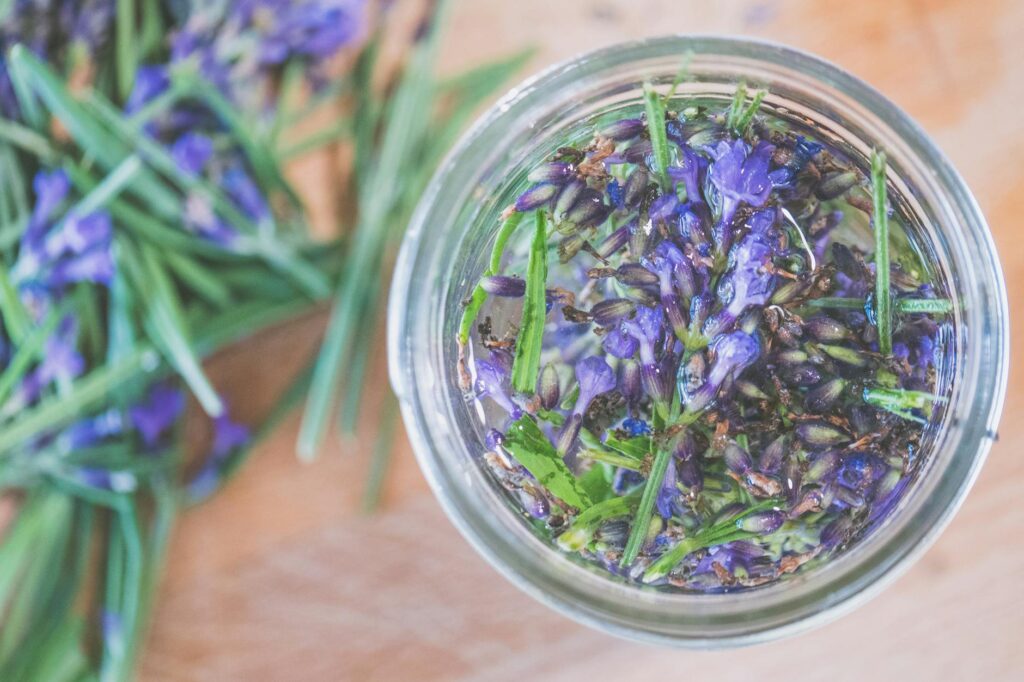
Herbal infused jellies are gel-like substances made by extracting the essence of herbs and combining them with a gelling agent, often sugar or pectin. The process begins with infusing fresh or dried herbs in a liquid, typically water, vinegar, or alcohol, to draw out their beneficial compounds. Once the infusion is complete, the mixture is strained and combined with a gelling agent to create a jelly-like texture.
These jellies can be flavored with various herbs such as lavender, mint, or chamomile, each offering its unique aromatic and therapeutic properties. The end product is not only a culinary delight but also serves as a medium for aromatherapy applications.
Key Benefits and Properties
Herbal infused jellies carry a range of benefits attributed to their herbal components. Each herb contributes distinct properties that can enhance the overall experience. For example:
- Lavender: Known for its calming and soothing effects, lavender can promote relaxation and alleviate stress.
- Peppermint: Often used to invigorate the senses, peppermint can enhance focus and clarity.
- Chamomile: Renowned for its calming properties, chamomile can help induce a sense of tranquility.
- Culinary Applications: These jellies can serve as spreads for toast, toppings for desserts, or flavor enhancers in various dishes. They can elevate the flavor profile of cheeses and meats, making them a versatile addition to any kitchen.
- Gifts and Personal Treats: Their vibrant colors and aromatic qualities make herbal infused jellies ideal for gifting. They can be packaged beautifully and personalized with specific herbs to suit the recipient’s preferences.
- Aromatherapy: When used in aromatherapy, herbal infused jellies can be applied in various ways to take advantage of their aromatic properties.
- Allergies: Some individuals may have allergies or sensitivities to certain herbs. It is crucial to conduct a patch test before applying any jelly to the skin or using it in any therapeutic context.
- Quality of Ingredients: Always use high-quality, organic herbs and ingredients when making herbal infused jellies. Contaminants or additives can alter the therapeutic properties of the final product.
- Dosage: Moderation is key. While the jellies can be beneficial, excessive use may lead to unintended effects, especially with certain herbs known for their potent properties.
- Containers: Use airtight glass jars or containers to store the jellies, which helps prevent exposure to air and moisture that can lead to spoilage.
- Temperature: Store the jellies in a cool, dark place, away from direct sunlight and heat sources. Refrigeration can extend shelf life, especially if perishable ingredients are used.
- Shelf Life: Depending on the ingredients and preparation methods, herbal infused jellies can last from several months to a year. Always check for signs of spoilage, such as changes in color, texture, or smell, before use.
In addition to their aromatic benefits, many herbs possess antioxidant, anti-inflammatory, and antimicrobial properties, making herbal infused jellies not just flavorful but also potentially beneficial in various contexts.
Common Uses
Herbal infused jellies can be used in numerous ways, including:
Aromatherapy Applications
The integration of herbal infused jellies into aromatherapy can take several forms:
1. Scented Sachets and Potpourri
Herbal infused jellies can be used in sachets or potpourri to create a fragrant environment. The aroma released can help create a calming atmosphere, ideal for meditation or relaxation spaces. Simply place a small amount of jelly in a breathable fabric sachet and hang it in your desired location.
2. Aromatic Massage Oils
While not a traditional use, herbal infused jellies can be incorporated into homemade massage oils. By blending the jelly with carrier oils, the aromatic properties of the herbs can be transferred to the skin, providing both scent and a potentially soothing effect.
3. Bath Additives
Adding herbal infused jellies to bathwater can enhance the sensory experience. The warmth of the water can help release the aromatic qualities of the herbs, creating a relaxing environment. It may also add a subtle fragrance to the bath, making it a more enjoyable experience.
4. Inhalation Therapy
Placing a small amount of herbal infused jelly in a bowl of hot water and inhaling the steam can provide a concentrated dose of the herb’s aroma. This method can be beneficial for promoting relaxation or enhancing focus, depending on the herbs used.
5. Aromatherapy Diffusers
Some herbal jellies can be used with electric or candle diffusers. Although it is essential to ensure the jelly does not contain any ingredients that could damage the diffuser, this method can release aromatic properties into the air, enhancing the ambiance of a room.
Safety Considerations
While herbal infused jellies can offer various benefits, it is essential to observe safety considerations:
Storage and Shelf Life
To ensure the longevity and effectiveness of herbal infused jellies, proper storage is essential:
Frequently Asked Questions
1. Can I use any herb to make infused jellies?
Yes, most culinary herbs can be used to create infused jellies. However, it is advisable to research the properties and potential effects of each herb before use.
2. Are herbal infused jellies safe for children?
While many herbs are safe for children, some may not be appropriate. It’s best to consult with a knowledgeable source or expert before using herbal infused jellies with children.
3. Can I eat herbal infused jellies?
Yes, herbal infused jellies are typically safe to consume. However, ensure that the ingredients used are edible and that no harmful herbs are included.
4. How do I know which herbs to choose for specific outcomes?
Research the properties of various herbs to understand their benefits. For instance, lavender is calming, while peppermint is invigorating. Personal preferences and desired outcomes should guide your selection.
5. Can I make herbal infused jellies at home?
Absolutely! Making herbal infused jellies at home involves infusing herbs in a liquid, straining the mixture, and combining it with a gelling agent. Many recipes are available online to guide you through the process.
Conclusion
Herbal infused jellies present a delightful and aromatic addition to the world of aromatherapy, merging culinary creativity with therapeutic benefits. Their versatility allows for various applications, from enhancing food to creating a soothing atmosphere. By understanding the properties of different herbs and practicing safe usage, individuals can enjoy the myriad benefits that herbal infused jellies have to offer. Through mindful exploration, these jellies can become a cherished component in the pursuit of well-being.