
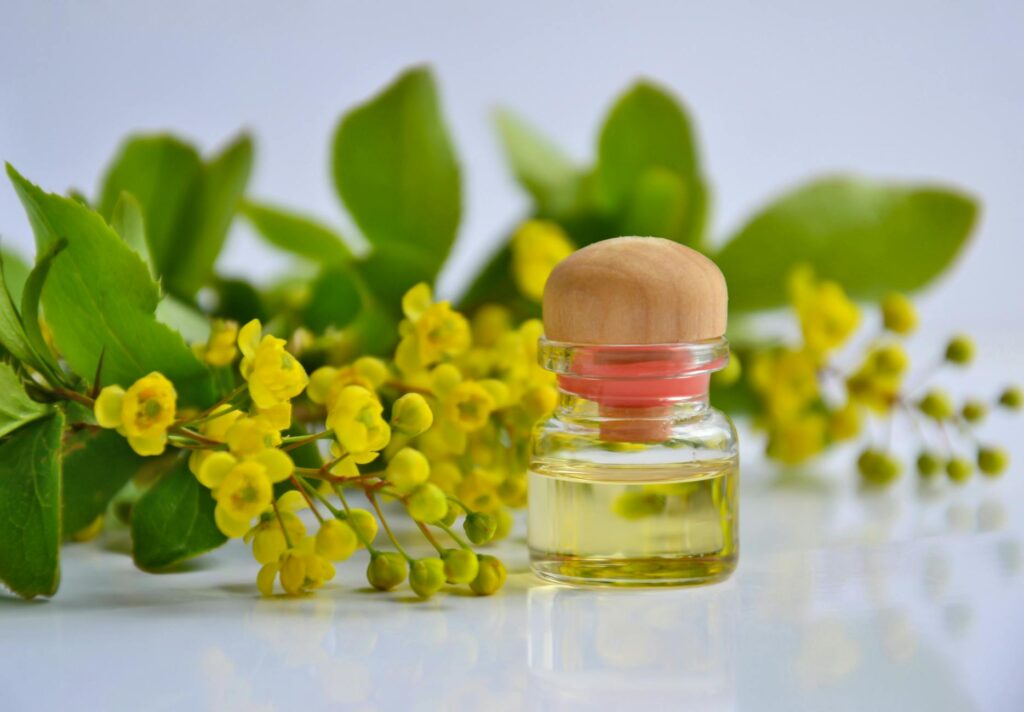
Aromatherapy Uses of Herbal Infused Oils for Aromatherapy
Introduction
Aromatherapy, the practice of using aromatic plant extracts for therapeutic benefits, has gained significant attention in recent years. Among the various methods employed in aromatherapy, herbal infused oils stand out as a versatile and effective option. These oils, derived from the infusion of herbs in carrier oils, not only capture the essence of the plants but also enhance the sensory experience of aromatherapy. This article delves into the intricacies of herbal infused oils, exploring their benefits, applications, and safe usage guidelines.
What Are Herbal Infused Oils for Aromatherapy?
Herbal infused oils are created by steeping dried or fresh herbs in a carrier oil, allowing the beneficial properties of the herbs to be extracted and infused into the oil. Common carrier oils include olive oil, jojoba oil, and sweet almond oil, each chosen for their unique properties and suitability for skin application. The infusion process can take place over a few days to several weeks, depending on the desired potency and the type of herb used.
The result is a fragrant oil that retains the therapeutic properties of the herbs, making it an excellent addition to aromatherapy practices. Unlike essential oils, which are concentrated extracts obtained through distillation or cold-pressing, herbal infused oils are gentler and can be used in a variety of ways without the risk of irritation associated with undiluted essential oils.
Key Benefits and Properties
Herbal infused oils offer a range of benefits, including:
1. Therapeutic Properties: Many herbs used in infusion possess anti-inflammatory, antiseptic, or calming properties. For instance, lavender is known for its relaxing effects, while rosemary can be invigorating.
2. Moisturizing Effects: Carrier oils themselves provide hydration and nourishment to the skin. Combined with herbal properties, they can enhance skin health.
3. Versatility: Herbal infused oils can be used in various applications, from topical skin treatments to inclusion in diffusers for aromatic experiences.
4. Natural Alternatives: For those seeking natural remedies, these oils offer a way to harness the power of nature without synthetic additives.
5. Customizable: Users can create personalized blends tailored to specific needs, preferences, or desired outcomes by selecting their choice of herbs and carrier oils.
Common Uses
Herbal infused oils serve multiple purposes in aromatherapy. Some common uses include:
- Massage Oil: Blending infused oils with a carrier oil can create a soothing massage oil, promoting relaxation and relieving muscle tension.
- Skincare: These oils can be applied directly to the skin to moisturize, soothe irritation, or nourish dry patches.
- Hair Care: Infused oils can be used as a scalp treatment or added to shampoos and conditioners for enhanced benefits.
- Bath Oils: A few drops in bath water can enhance relaxation and provide a pleasant aroma, creating a spa-like experience at home.
- Diffusion: Herbal infused oils can be used in oil burners or diffusers to fill a space with fragrance, promoting a calming or energizing atmosphere.
- Lavender: Known for its calming effects, it can be used to reduce stress and promote relaxation.
- Peppermint: Often used to invigorate and refresh, it can help alleviate feelings of fatigue.
- Steam Inhalation: Adding a few drops of infused oil to a bowl of hot water and inhaling the steam can help clear the sinuses and promote relaxation.
- Diffusion: Utilizing a diffuser to disperse the oil in a room can create a calming environment, making it ideal for meditation or relaxation.
- Patch Test: Always conduct a patch test on a small area of skin to check for allergic reactions before applying widely.
- Quality of Ingredients: Use high-quality, organic herbs and carrier oils to avoid contamination and ensure potency.
- Dilution: Although herbal infused oils are less concentrated than essential oils, they should still be diluted appropriately when used for topical applications.
- Sensitive Individuals: Pregnant or nursing women, children, and individuals with specific health concerns should consult a healthcare professional before use.
- Containers: Store in dark glass bottles to protect the oil from light, which can degrade its quality.
- Temperature: Keep in a cool, dark place, away from heat sources.
- Shelf Life: Herbal infused oils typically have a shelf life of 6 months to 1 year, depending on the carrier oil used. Regularly check for changes in smell or appearance, which may indicate spoilage.
Aromatherapy Applications
Incorporating herbal infused oils into aromatherapy practices can take several forms:
1. Topical Application
When applied to the skin, herbal infused oils can provide both aromatic and therapeutic benefits. It is advisable to perform a patch test before widespread use to ensure there are no adverse reactions. Popular choices for topical application include:
2. Inhalation
Inhaling the aroma of herbal infused oils can be an effective way to experience their benefits. This can be achieved through:
3. Bathing
Adding herbal infused oils to a warm bath can enhance the overall experience. The heat helps to release the aromatic compounds, allowing for a more immersive experience. It is important to mix the oil with an emulsifier, such as milk or a bath gel, to ensure even distribution in the water.
4. Culinary Uses
Some herbal infused oils, particularly those made from culinary herbs like basil or oregano, can also be used in cooking. However, caution should be exercised to ensure that the herbs used are safe for consumption.
Safety Considerations
While herbal infused oils are generally safe, several precautions should be observed:
Storage and Shelf Life
Proper storage is essential to maintain the quality and efficacy of herbal infused oils. Here are some guidelines:
Frequently Asked Questions
1. How do I make herbal infused oil at home?
To make herbal infused oil, follow these steps:
1. Choose your herbs and carrier oil.
2. Place the herbs in a clean glass jar and cover them with the carrier oil.
3. Seal the jar and place it in a warm area for 1 to 4 weeks, shaking it gently every few days.
4. Strain the mixture through a cheesecloth or fine mesh sieve to remove the herbs.
2. Can I use fresh herbs to make infused oils?
Yes, fresh herbs can be used, but they contain more water, which can lead to spoilage. It is advisable to dry herbs before infusion or to use them quickly.
3. Are there any herbs that should be avoided in infused oils?
Certain herbs can be irritating to the skin or have contraindications, such as cinnamon and clove. It is best to research each herb’s properties before use.
4. Can I mix different infused oils together?
Yes, blending different infused oils can create unique combinations with enhanced aroma and therapeutic benefits. Experimenting with various herbs can yield personalized results.
Conclusion
Herbal infused oils offer a rich and diverse avenue for exploring the world of aromatherapy. They capture the essence of herbs while providing a range of therapeutic benefits in a gentle and versatile form. By understanding their uses, applications, and safety considerations, individuals can effectively incorporate these oils into their wellness routines, enhancing both their physical and emotional well-being. As with any natural remedy, mindfulness and education are key to enjoying the full benefits of herbal infused oils in aromatherapy.