
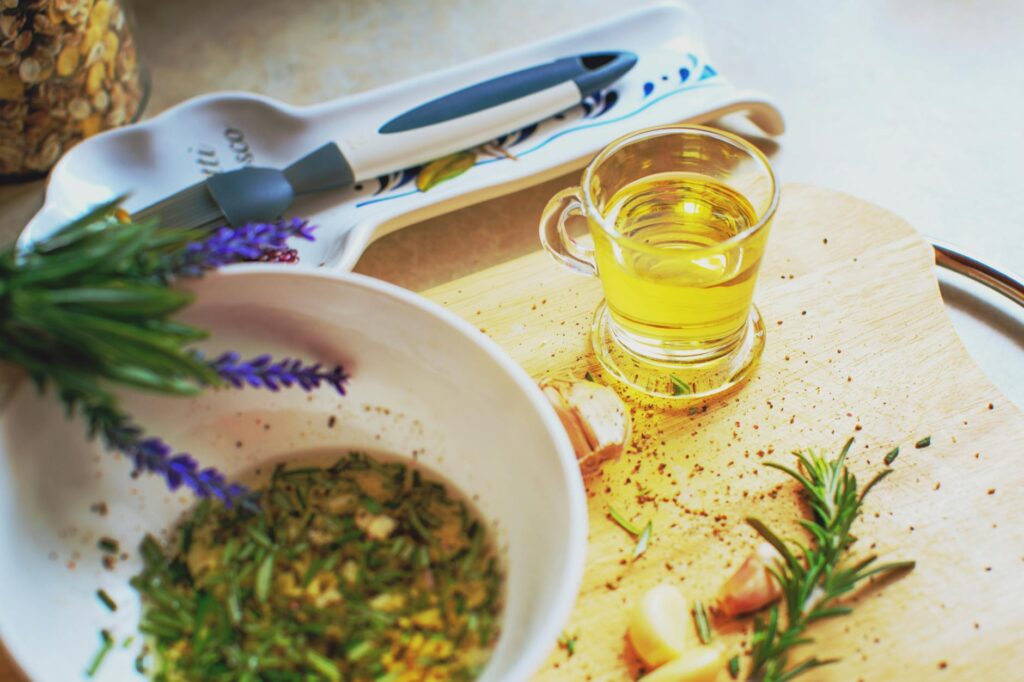
Aromatherapy Uses of Herbal Infused Oils for Cooking with Culinary Herbs
Introduction
Herbal infused oils are a delightful intersection of culinary arts and aromatherapy, providing not only flavor but also aromatic benefits. These oils are created by infusing a base oil with culinary herbs, allowing the natural properties of the herbs to enhance both cooking and wellness practices. This article explores the essence of herbal infused oils, their benefits, common uses, and their applications in aromatherapy.
What Is Herbal Infused Oils for Cooking with Culinary Herbs?
Herbal infused oils are oils that have been infused with the essence of culinary herbs, such as basil, rosemary, thyme, and oregano. The infusion process typically involves steeping fresh or dried herbs in a carrier oil, which extracts the flavor and aromatic properties of the herbs. Common carrier oils include olive oil, grapeseed oil, and sunflower oil. The result is a fragrant, flavorful oil that can enhance dishes, provide a sensory experience, and serve as a base for various culinary and therapeutic applications.
The infusion process can be accomplished through two primary methods:
1. Cold Infusion: This method involves placing herbs in oil and allowing them to steep at room temperature for several weeks. It is a slow process that preserves the delicate flavors and aromas of the herbs.
2. Hot Infusion: In this approach, herbs are gently heated in oil to accelerate the extraction process. While this method is faster, it may alter the flavor and potency of some herbs due to the heat.
Key Benefits and Properties
Herbal infused oils are valued not only for their culinary appeal but also for their aromatic properties. Here are some of the key benefits:
Flavor Enhancement
Infused oils can significantly elevate the taste of dishes. Whether drizzled over salads, used for sautéing vegetables, or incorporated into marinades, these oils add depth and complexity to various cuisines.
Aromatic Qualities
The infusion of culinary herbs imparts aromatic properties that can enhance the sensory experience of cooking and dining. The fragrances released during cooking can create a warm and inviting atmosphere.
Nutritional Benefits
Many culinary herbs are known for their nutritional properties, which can be transferred into the infused oil. For example, olive oil infused with garlic may carry some of the beneficial compounds found in garlic.
Versatility
Herbal infused oils can be used in a variety of culinary applications, ranging from dressings and marinades to finishing oils for cooked dishes. This versatility makes them a staple in many kitchens.
Common Uses
Herbal infused oils serve numerous culinary purposes:
Salad Dressings
An infused oil can be the cornerstone of a delicious vinaigrette. By combining herbal infused oil with vinegar or citrus juice, one can create a simple yet flavorful dressing.
Marinades
Herbal oils can serve as a base for marinades, imparting flavor to meats, fish, and vegetables. By combining the infused oil with herbs, spices, and acidic ingredients like lemon juice, a dynamic marinade can be created.
Cooking and Sautéing
Using infused oils for cooking adds both flavor and aroma to dishes. They can be used for sautéing vegetables, frying proteins, or drizzling over roasted dishes.
Finishing Touch
A drizzle of herbal infused oil over a finished dish can enhance the overall presentation and flavor. This method is especially popular for soups, pasta, and grilled items.
Aromatherapy Applications
Beyond culinary uses, herbal infused oils can be integrated into aromatherapy practices. The aromatic properties of the herbs can contribute to relaxation, mental clarity, and overall well-being.
Diffusion
Herbal infused oils can be added to a diffuser to fill a space with the aromas of the herbs. For instance, rosemary-infused oil can invigorate a room, while lavender-infused oil can promote relaxation.
Massage Oils
When diluted with a carrier oil, herbal infused oils can be used in massage. The combination of the herbal properties and the physical benefits of massage can enhance relaxation and provide a soothing experience.
Bath Soaks
Adding herbal infused oils to bathwater can create a luxurious and aromatic bathing experience. The essential properties of the herbs can provide both aromatic pleasure and potential skin benefits.
Aromatic Cooking
The scent of cooking with herbal infused oils can create a calming or invigorating atmosphere in the kitchen, making the act of cooking more enjoyable.
Safety Considerations
While herbal infused oils are generally safe for culinary and aromatic use, it is important to consider a few safety guidelines:
Allergies
Individuals should be aware of any allergies they may have to specific herbs. It is advisable to conduct a patch test when using infused oils for topical applications.
Quality of Ingredients
Using high-quality, organic ingredients for both herbs and carrier oils can ensure the best flavor and aromatic properties. Additionally, inferior quality oils may lead to undesirable flavors and aromas.
Dilution
When using infused oils for topical applications, they should be diluted with a suitable carrier oil to prevent skin irritation.
Shelf Life
Herbal infused oils can have a limited shelf life, particularly if not stored properly. It is essential to monitor for any signs of spoilage, such as off odors or cloudiness.
Storage and Shelf Life
Proper storage is crucial for maintaining the quality and longevity of herbal infused oils. Here are some tips:
Cool, Dark Place
Store infused oils in a cool, dark place, away from direct sunlight and heat sources. This helps to prevent oxidation and spoilage.
Airtight Containers
Use airtight glass containers, such as dark glass bottles, to minimize exposure to air, which can lead to rancidity.
Shelf Life
Depending on the herbs used and the storage conditions, herbal infused oils typically have a shelf life of 6 months to a year. Regularly check for changes in aroma or appearance to ensure freshness.
Frequently Asked Questions
Can I use any herb for infusion?
While many culinary herbs can be infused into oil, it is essential to choose herbs that are safe for consumption and have desirable flavors. Common choices include basil, rosemary, thyme, and oregano.
How do I know if an infused oil has gone bad?
Signs of spoilage may include unusual odors, cloudiness, or changes in color. If any of these signs are present, it is best to discard the oil.
Can I use infused oils for frying?
While infused oils can be used for frying, it’s important to note that the flavor may change with high heat. Additionally, using oils with a low smoke point for frying can lead to undesirable results.
How can I enhance the potency of my herbal infused oil?
To enhance the potency, consider using fresh herbs, allowing for a longer infusion time, or gently heating the mixture during the infusion process. However, balance is key to preserving the flavor.
Are there any contraindications for using herbal infused oils?
While generally safe, individuals should be cautious if they have allergies to specific herbs. It’s advisable to consult with a knowledgeable source if one has concerns about specific herbs or oils.
In conclusion, herbal infused oils present a wealth of opportunities for enhancing culinary experiences and promoting aromatic wellness. Their versatility and aromatic properties make them a valuable addition to both cooking and aromatherapy practices. By understanding their benefits, uses, and safety considerations, one can effectively incorporate these fragrant oils into daily life.