
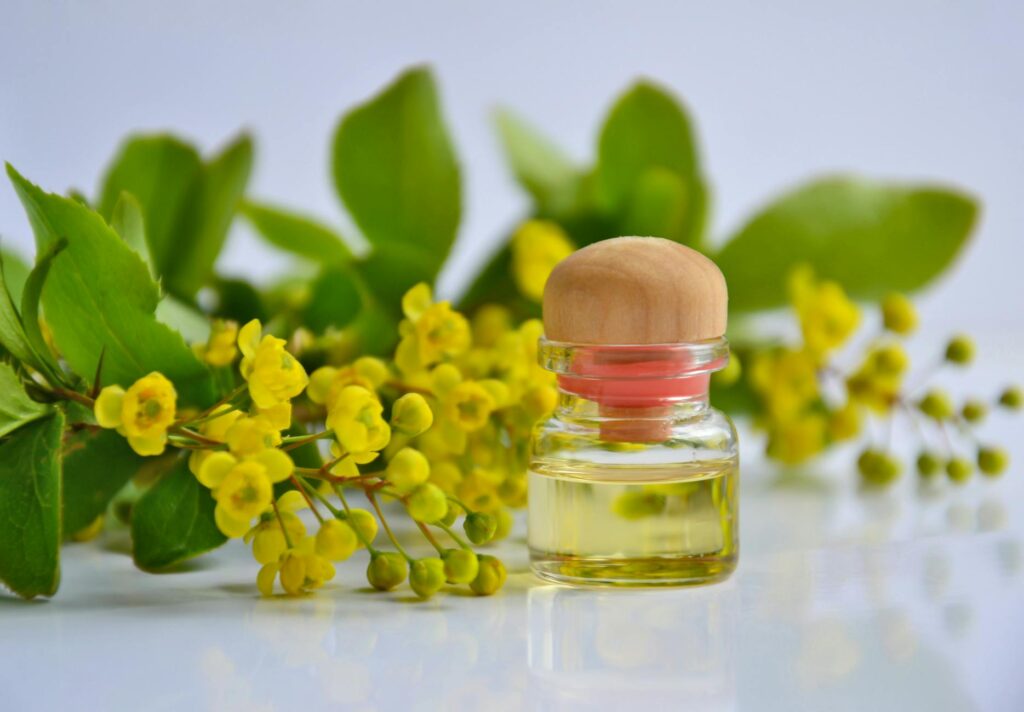
Aromatherapy Uses of Herbal Infused Oils for Massage
Introduction
Aromatherapy, an ancient practice rooted in the use of essential oils and plant extracts, has gained popularity in modern wellness routines. One of the lesser-known yet highly effective components of aromatherapy is herbal infused oils. These oils, derived from a variety of plants, offer numerous benefits for massage therapy, enhancing relaxation and promoting overall well-being. This article delves into what herbal infused oils are, their benefits, common uses, and practical applications in aromatherapy.
What Is Herbal Infused Oils for Massage?
Herbal infused oils are carrier oils that have been infused with the properties of specific herbs. This infusion process typically involves steeping dried herbs in a carrier oil—such as olive, jojoba, or sweet almond oil—over a period of time. The heat or time allows the essential compounds of the herbs to meld with the oil, creating a product that carries both the aromatic qualities and potential therapeutic properties of the original plant material.
These oils are particularly beneficial for massage as they not only provide lubrication and moisture to the skin but also deliver the aromatic and medicinal benefits of the herbs used in their infusion.
Key Benefits and Properties
When used in massage, herbal infused oils offer a variety of benefits:
1. Moisturizing: Carrier oils are excellent for hydrating the skin. Herbal infused oils can enhance this effect, making them ideal for individuals with dry or sensitive skin.
2. Aromatic Experience: The natural fragrances of the herbs can promote relaxation and enhance the overall sensory experience during a massage.
3. Therapeutic Properties: Depending on the herbs used, these oils may possess varying properties. For instance, chamomile is known for its calming effects, while peppermint may invigorate and energize.
4. Anti-inflammatory and Analgesic Effects: Certain herbal infused oils may help alleviate discomfort and swelling, aiding in muscle recovery and relaxation.
5. Stress Relief: The combination of gentle massage and botanical fragrances can significantly reduce stress and promote a sense of calm.
Common Uses
Herbal infused oils can be used in various ways, particularly in the context of massage therapy. Some common applications include:
1. Relaxation Massages: Oils infused with calming herbs such as lavender or chamomile are perfect for stress relief and relaxation sessions.
2. Sports Massage: Infusions like arnica or ginger can be beneficial for athletes, offering soothing properties to help with muscle recovery and joint pain.
3. Aromatherapy Blends: Combining herbal infused oils with essential oils creates tailored blends designed for specific outcomes, such as energizing or calming effects.
4. Skincare Regimens: Beyond massage, these oils can be incorporated into daily skincare routines, providing nourishment and promoting healthy skin.
Aromatherapy Applications
The application of herbal infused oils in aromatherapy is versatile. Here are some suggestions on how to integrate them effectively:
1. Massage Therapy: Use herbal infused oils as the base for therapeutic massages. The oil can be warmed slightly to enhance the experience and absorption.
2. Diffusion: While herbal infused oils are primarily used for massage, they can also be added to an oil diffuser for a subtle aromatic ambiance in any space.
3. Baths: Adding herbal infused oils to bathwater can create a soothing and aromatic experience, allowing for full-body relaxation.
4. Companion to Essential Oils: Herbal infused oils can be blended with essential oils to enhance their effects. For instance, adding a few drops of eucalyptus essential oil to a carrier oil infused with rosemary can provide both invigorating and soothing properties.
5. Skin Treatments: Use as a massage oil for specific skin concerns, such as dry patches or irritation, leveraging the infused herbs’ properties.
Safety Considerations
When working with herbal infused oils, it is essential to follow certain safety guidelines:
1. Patch Testing: Before using a new herbal infused oil, conduct a patch test on a small area of skin to check for allergic reactions or sensitivities.
2. Dilution: Always dilute herbal infused oils appropriately. While they are generally safe, they should not be used undiluted on the skin.
3. Quality of Ingredients: Use high-quality carrier oils and herbs to ensure the best results. Organic and non-GMO ingredients are recommended to avoid harmful additives.
4. Consultation: If you are pregnant, nursing, or have a medical condition, consult with a professional before using herbal infused oils.
5. Storage: Store herbal infused oils in a cool, dark place to maintain their potency and prevent spoilage.
Storage and Shelf Life
Proper storage is crucial for maintaining the quality of herbal infused oils. Here are some tips:
1. Container: Use dark glass bottles to protect the oils from light exposure, which can degrade their quality.
2. Temperature: Keep the oils in a cool location, away from heat sources, to prolong their shelf life.
3. Shelf Life: Herbal infused oils generally last between 6 months to 1 year, depending on the type of carrier oil used and the herbs infused. Always check for any changes in smell, texture, or color before use.
4. Labeling: Clearly label your oils with the date of infusion and the herbs used to keep track of their freshness.
Frequently Asked Questions
1. How are herbal infused oils made?
Herbal infused oils are made by steeping dried herbs in a carrier oil for an extended period, typically several weeks. The infusion process allows the beneficial compounds of the herbs to transfer into the oil.
2. Can I use herbal infused oils on all skin types?
While many herbal infused oils are suitable for various skin types, it is essential to conduct a patch test first, especially for individuals with sensitive skin or allergies.
3. How do I choose the right herbal infused oil for massage?
Consider the therapeutic properties you wish to achieve. For relaxation, choose oils infused with calming herbs like lavender. For invigorating effects, look for oils with herbs like peppermint or rosemary.
4. Can herbal infused oils be used for cooking?
Most herbal infused oils are not suitable for cooking, as the infusion process can introduce flavors and properties that may not be palatable or safe for consumption. Always check the intended use of the oil.
5. What are some popular herbs for infusion?
Some commonly used herbs for infusion include lavender, chamomile, rosemary, peppermint, and arnica. Each herb offers unique properties that can enhance the benefits of the oil.
Conclusion
Herbal infused oils for massage offer a rich and aromatic experience, enhancing the benefits of traditional aromatherapy. From promoting relaxation to aiding in muscle recovery, these oils provide a versatile and natural approach to wellness. By understanding their properties, uses, and safety considerations, individuals can effectively incorporate herbal infused oils into their massage practices, enhancing both physical and emotional well-being.