
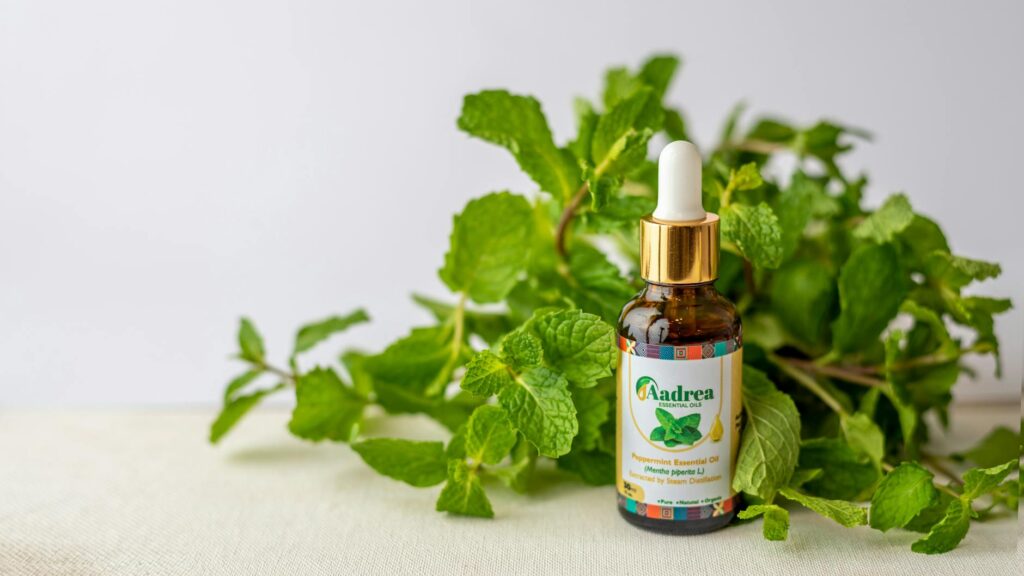
Aromatherapy Uses of Herbal Infused Oils
Introduction
Aromatherapy, the holistic practice of using essential oils and other aromatic compounds for therapeutic benefits, has gained immense popularity in recent years. One of the lesser-explored yet fascinating aspects of this practice is the use of herbal infused oils. These oils, created through the infusion of various herbs in a carrier oil, can enhance emotional well-being, promote relaxation, and improve the overall atmosphere in a space. This article delves into the world of herbal infused oils, exploring their properties, benefits, applications, and safety considerations.
What Is Herbal Infused Oils?
Herbal infused oils are created by steeping herbs in a carrier oil, allowing the oil to extract the beneficial properties and aromas of the plants. Common carrier oils include olive oil, almond oil, and jojoba oil, which serve as the base for the infusion. The infusion process can be done through cold or hot methods, with the aim of maximizing the extraction of the herb’s active constituents.
Preparation Methods
1. Cold Infusion: This method involves placing dried herbs in a jar and covering them with a carrier oil. The mixture is then left to sit in a warm, dark place for several weeks. The oil is then strained and bottled.
2. Hot Infusion: This quicker method involves gently heating the carrier oil with the herbs in a double boiler for several hours. The mixture is then strained and allowed to cool.
Common Herbs Used
Several herbs are commonly used in oil infusions, including:
- Lavender: Known for its calming properties.
- Peppermint: Often used for its invigorating scent.
- Rosemary: Valued for its stimulating and clarifying qualities.
- Chamomile: Recognized for its soothing and anti-inflammatory benefits.
- Massage: Diluted herbal infused oils can provide a soothing and aromatic experience during massage therapy.
- Skin Care: Certain infused oils can be used in skincare routines, providing hydration and nourishment to the skin.
- Home Fragrance: These oils can be used in diffusers or added to potpourri to create an inviting atmosphere.
- Dilution: Always dilute herbal infused oils with a carrier oil before topical application, especially for sensitive skin.
- Patch Test: Conduct a patch test on a small area of skin to check for allergic reactions before using the oil more broadly.
- Quality of Ingredients: Use high-quality, food-grade carrier oils and dried herbs to ensure the safety and effectiveness of the infusion.
- Consultation: If you are pregnant, nursing, or have existing health conditions, it is advisable to consult a healthcare professional before using herbal infused oils.
- Cool, Dark Place: Store the oils in a cool, dark area to prevent degradation from light and heat exposure.
- Sealed Containers: Use dark glass bottles with tight-fitting lids to minimize oxidation.
- Shelf Life: Depending on the carrier oil used and the herbs infused, the shelf life can vary. Generally, herbal infused oils can last from six months to two years.
Key Benefits and Properties
Herbal infused oils carry a myriad of benefits, largely stemming from the properties of the herbs used in their preparation. These oils can possess anti-inflammatory, antiseptic, and calming properties, among others.
Emotional and Psychological Benefits
The aromas derived from herbal infused oils can evoke various emotional responses. Scents like lavender are known for their calming effects, while citrus-infused oils can provide uplifting and energizing sensations.
Physical Properties
While herbal infused oils are not intended for medical use, they can be appreciated for their aromatic qualities and potential physical benefits. For example, chamomile-infused oil may have soothing properties that promote relaxation, while rosemary may invigorate and stimulate mental clarity.
Common Uses
Herbal infused oils can serve multiple purposes in daily life, including but not limited to:
Aromatherapy Applications
In the realm of aromatherapy, herbal infused oils can be used in various ways to promote relaxation, focus, or emotional balance.
Diffusion
Adding a few drops of herbal infused oil to a diffuser can fill a room with its aromatic essence. This method promotes a calming environment, which can be beneficial in settings like yoga studios or meditation spaces.
Topical Application
When diluted properly, herbal infused oils can be applied to the skin. A few drops can be mixed with a carrier oil for massage or used in homemade skincare products, such as lotions and balms.
Baths
Adding herbal infused oils to bathwater can create a luxurious and relaxing experience. The warm water helps to release the oil’s scent, providing both aromatherapy and skin benefits.
Inhalation
Inhaling the scent directly from the bottle or placing a few drops on a tissue or cotton ball can provide immediate aromatic benefits. This method is especially useful for quick stress relief or when needing a mental boost.
Safety Considerations
While herbal infused oils are generally considered safe for use, it is essential to follow specific considerations:
Storage and Shelf Life
Proper storage is critical to maintaining the quality of herbal infused oils. Follow these guidelines:
Frequently Asked Questions
1. Can I make my own herbal infused oils?
Yes, making your own herbal infused oils is relatively simple. Follow the preparation methods outlined above, and feel free to experiment with different herbs and carrier oils.
2. How do I choose the right herbs for my infusion?
Choose herbs based on the desired aroma and benefits. Research the properties of various herbs to find those that resonate with your needs and preferences.
3. Can herbal infused oils be ingested?
Herbal infused oils are primarily used for external applications or aromatherapy. If you wish to use them in cooking, ensure that they are made from food-grade ingredients and consult reliable resources to confirm safety.
4. Are herbal infused oils the same as essential oils?
No, herbal infused oils are different from essential oils. Essential oils are concentrated extracts from plant materials, whereas herbal infused oils are created by steeping herbs in carrier oils.
5. Can I use herbal infused oils for children?
While some herbal infused oils can be safely used for children, it is essential to consult healthcare professionals for guidance on appropriate oils and dilutions.
Conclusion
Herbal infused oils offer a versatile and aromatic approach to enhancing well-being through aromatherapy. With their rich history and myriad applications, these oils can elevate daily routines, promote relaxation, and create a serene atmosphere. By understanding their properties, uses, and safety considerations, individuals can harness the benefits of herbal infused oils in their holistic wellness practices. Whether used in massage, skincare, or simply for enjoyment, these oils represent a beautiful fusion of nature and self-care.