
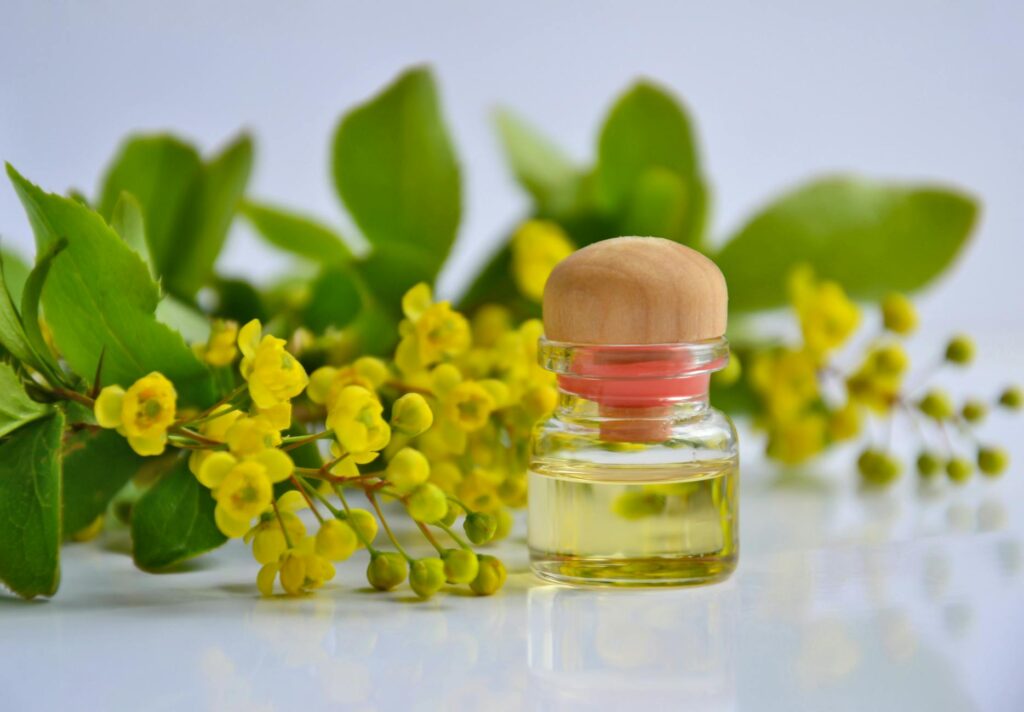
Aromatherapy Uses of Herbal Infused Ointments
Introduction
Aromatherapy has gained popularity in recent years as a holistic approach to well-being, utilizing the natural properties of essential oils derived from plants. Among the various tools available in the practice of aromatherapy, herbal infused ointments stand out as versatile and effective products. This article delves into the nature of herbal infused ointments, their benefits, common uses, and applications within the realm of aromatherapy.
What Is Herbal Infused Ointments?
Herbal infused ointments are topical preparations made by combining herbal ingredients with a carrier oil, often beeswax or plant oils, to create a salve-like consistency. These ointments are infused with the therapeutic properties of the herbs, allowing the beneficial compounds to be absorbed through the skin.
The infusion process generally involves steeping the herbal material in oil for an extended period, allowing the oil to extract the active constituents from the herbs. Common carrier oils used in these preparations include olive oil, almond oil, and coconut oil, each with its unique properties that enhance the ointment’s effectiveness.
Key Benefits and Properties
Herbal infused ointments boast several key benefits, attributed to both the carrier oils and the herbal ingredients used. Some notable properties include:
1. Moisturization: The oils in herbal ointments help to hydrate and protect the skin, providing a barrier against moisture loss.
2. Anti-inflammatory: Many herbs possess anti-inflammatory properties, which can help soothe irritated skin and reduce swelling.
3. Antimicrobial: Certain herbal ingredients are known for their antimicrobial properties, making them effective in preventing infections.
4. Soothing and Calming: The aroma of herbal infused ointments can have a calming effect on the mind, aiding in relaxation and stress relief.
5. Nourishing: The vitamins and minerals in the herbs contribute to overall skin health, promoting healing and rejuvenation.
Common Uses
Herbal infused ointments can be employed in a variety of contexts, including:
- Skin Care: These ointments are often used to moisturize dry skin, soothe minor irritations, or alleviate the discomfort of conditions like eczema or psoriasis.
- Muscle Relief: Many ointments contain herbs known for their pain-relieving properties, making them suitable for sore muscles or joint discomfort.
- Wound Care: The antimicrobial and anti-inflammatory properties of certain herbs make herbal infused ointments a popular choice for promoting healing in minor cuts and abrasions.
- Aromatherapy: The scents released from the ointments can enhance relaxation and contribute to emotional well-being.
- Cool, Dark Place: Store the ointment in a cool, dark location, away from direct sunlight and heat, which can degrade the quality of the oils.
- Sealed Containers: Use airtight containers to prevent oxidation and contamination.
- Shelf Life: Typically, herbal infused ointments have a shelf life of 6 months to 1 year, depending on the ingredients used. It is advisable to check for changes in smell, texture, or color before use.
Aromatherapy Applications
In the realm of aromatherapy, herbal infused ointments play a significant role in enhancing both physical and emotional health. Here are some applications:
1. Massage Therapy
Herbal infused ointments can be used during massage to provide additional benefits. The combination of touch and the aromatic properties of the herbs can enhance relaxation, ease tension, and promote overall well-being.
2. Meditation and Mindfulness
Incorporating herbal infused ointments into meditation practices can heighten the sensory experience. The soothing aromas can help calm the mind, making it easier to enter a meditative state.
3. Aromatherapy Diffusion
While herbal infused ointments are primarily intended for topical use, their aromas can also be appreciated when applied to pulse points (such as wrists or behind the ears). This allows the scent to be released gradually, providing a subtle yet continuous aromatic experience.
4. Emotional Support
Certain herbal ingredients, such as chamomile or lavender, are known for their calming effects. Applying these herbal infused ointments can aid in emotional balance, helping to alleviate stress and anxiety.
Safety Considerations
While herbal infused ointments are generally considered safe for topical use, several precautions should be observed:
1. Patch Testing: Before using a new ointment, it is advisable to conduct a patch test on a small area of skin to check for any allergic reactions.
2. Quality Ingredients: Ensure that the herbs and oils used are of high quality and sourced from reputable suppliers to avoid contaminants.
3. Avoid Sensitive Areas: These ointments should not be applied to sensitive areas such as the eyes or mucous membranes.
4. Consultation: For individuals with specific health concerns or skin conditions, consulting a healthcare professional before use is recommended.
Storage and Shelf Life
Proper storage is essential for maintaining the efficacy of herbal infused ointments. Here are some guidelines:
Frequently Asked Questions
1. Can I make my own herbal infused ointments at home?
Yes, making herbal infused ointments at home is a popular practice. You can create your own by selecting herbs that resonate with your needs, infusing them in a carrier oil, and adding beeswax for a thicker consistency.
2. What herbs are commonly used in herbal infused ointments?
Common herbs include calendula, lavender, chamomile, and arnica, each offering unique benefits and properties.
3. Are there any specific techniques for infusing herbs?
The two primary methods for infusing herbs are the hot infusion method (using gentle heat) and the cold infusion method (allowing the herbs to steep in oil over time without heat). Each method has its advantages, depending on the desired outcome.
4. How do I know if an ointment has gone bad?
Signs that an ointment has gone bad include changes in color, texture, or smell. If any of these changes occur, it is best to discard the ointment.
5. Can herbal infused ointments be used on all skin types?
While many herbal infused ointments are suitable for various skin types, individuals with sensitive skin should approach new products with caution and perform a patch test.
—
By understanding the properties and applications of herbal infused ointments, individuals can harness the benefits of nature’s bounty for enhanced well-being. As with any holistic practice, knowledge and caution are essential to ensure a safe and beneficial experience.