
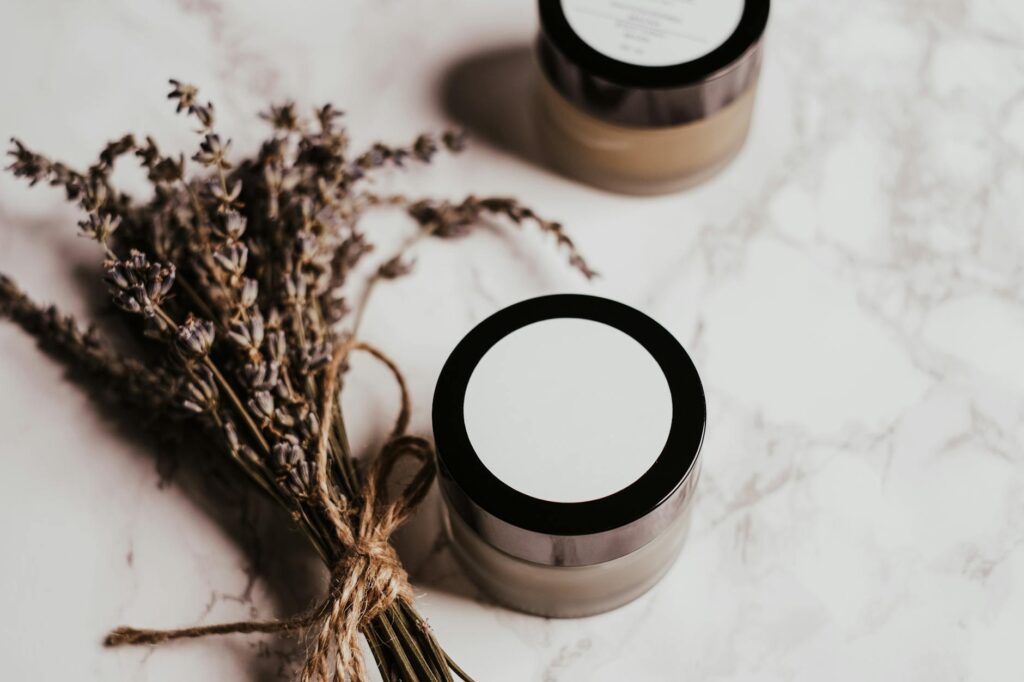
Aromatherapy Uses of Herbal Infused Salves for Skin Conditions
Introduction
The use of herbal infused salves for skin conditions dates back centuries, with many cultures incorporating natural remedies into their daily wellness practices. These salves combine the therapeutic properties of essential oils and herbal extracts to create a soothing application for various skin ailments. As interest in natural remedies continues to grow, understanding the composition and benefits of herbal infused salves can assist individuals in making informed choices for their skincare routines.
What Is Herbal Infused Salves for Skin Conditions?
Herbal infused salves are semi-solid preparations made by infusing carrier oils (such as olive oil or coconut oil) with various herbs known for their beneficial properties. The infusion process typically involves steeping the chosen herbs in the oil over a period of time, allowing the oil to extract the active components of the plants. Once the infusion is complete, the oil is blended with a natural thickening agent, such as beeswax, to create a salve that can be applied to the skin.
The herbs used in these salves can include a variety of botanicals, each selected for its unique properties. Common ingredients include calendula, chamomile, lavender, and comfrey, among others. The resulting product is rich in phytochemicals that can support skin health and provide relief from various skin conditions.
Key Benefits and Properties
Herbal infused salves are renowned for several key benefits:
1. Moisturization: The carrier oils used in salves are typically rich in fatty acids, which help to hydrate and nourish the skin.
2. Anti-inflammatory: Many herbs have anti-inflammatory properties that can help reduce redness and swelling associated with skin irritations.
3. Antimicrobial: Certain botanicals possess antimicrobial properties that can aid in preventing infections, particularly in cuts or abrasions.
4. Soothing and Calming: Essential oils and herbal extracts can provide a soothing effect on sensitive or irritated skin, making them suitable for conditions such as eczema or psoriasis.
5. Healing Support: Ingredients like calendula and comfrey are traditionally used for their wound-healing properties, promoting faster recovery of damaged skin.
Common Uses
Herbal infused salves can be utilized for a variety of skin conditions, including:
- Dry Skin: The emollient properties of these salves help to lock in moisture, making them ideal for chapped or cracked skin.
- Minor Cuts and Scrapes: The combination of healing herbs and antimicrobial properties can provide a protective layer over minor wounds.
- Eczema and Psoriasis: Salves infused with anti-inflammatory herbs may help to alleviate the symptoms of chronic skin conditions by soothing irritation and reducing flare-ups.
- Sunburn: Cooling herbs like aloe vera and chamomile can offer relief from the discomfort of sunburned skin.
- Insect Bites and Rashes: Herbal salves can help to relieve itching and inflammation caused by insect bites or allergic reactions.
- Chapped Lips: A nourishing salve can be used to soothe and protect dry, cracked lips.
- Patch Test: It is advisable to conduct a patch test before using any new salve. Apply a small amount to a discreet area of skin and wait 24 hours to check for any adverse reactions.
- Sensitivity: Individuals with sensitive skin or allergies should be cautious when using products containing essential oils or unfamiliar herbs. Certain ingredients may cause irritation or allergic reactions.
- Pregnancy and Nursing: Pregnant or nursing women should consult with a qualified herbalist or healthcare provider before using herbal infused salves, as some essential oils may not be safe during these periods.
- Children: When applying salves to children, it is crucial to choose gentle ingredients and use them sparingly. Always consult with a pediatrician if unsure.
- Avoiding Mucous Membranes: Herbal salves should not be applied to open wounds, mucous membranes, or areas of broken skin unless specifically formulated for such use.
- Cool, Dark Place: Store salves in a cool, dark area away from direct sunlight to prevent degradation of the oils and herbs.
- Sealed Container: Use airtight containers, such as glass jars or tins, to keep the salve free from moisture and contaminants.
- Shelf Life: Generally, herbal infused salves can last up to one year if stored properly. However, it is advisable to check for any changes in color, texture, or scent before use. If any signs of spoilage are present, it is best to discard the salve.
Aromatherapy Applications
Incorporating essential oils into herbal infused salves enhances their therapeutic effects, allowing for a more holistic approach to skin care. The aromatic compounds in essential oils can promote emotional well-being and enhance the overall experience of using the salve.
Popular Essential Oils for Skin Salves
1. Lavender: Known for its calming properties, lavender essential oil can help reduce anxiety while providing anti-inflammatory benefits to the skin.
2. Tea Tree: Renowned for its antimicrobial properties, tea tree oil is often included in salves targeted for acne and other skin blemishes.
3. Frankincense: This oil is valued for its skin-regenerating properties and is helpful for mature skin or for reducing the appearance of scars.
4. Chamomile: Chamomile essential oil is soothing and anti-inflammatory, making it an excellent choice for sensitive or irritated skin.
5. Peppermint: Often used for its cooling sensation, peppermint oil can provide relief from itching and inflammation.
To create a well-balanced herbal infused salve, it is important to consider the synergistic effects of both the herbs and essential oils. A blend that combines the healing properties of the infused herbs with the aromatic benefits of essential oils can create a more effective product.
Safety Considerations
While herbal infused salves are generally safe for topical use, there are several safety considerations to keep in mind:
Storage and Shelf Life
Proper storage is essential for maintaining the effectiveness of herbal infused salves. Here are some tips:
Frequently Asked Questions
Can I make my own herbal infused salve at home?
Yes, making your own herbal infused salve is a rewarding process. With simple ingredients and equipment, you can create customized salves tailored to your specific skin needs.
What are the best herbs to use for skin salves?
Common herbs used for skin salves include calendula, chamomile, comfrey, lavender, and plantain. Each herb has unique properties that can benefit your skin.
How do I apply herbal infused salves?
Apply a small amount of the salve to the affected area and gently massage it into the skin. It is advisable to use the salve as needed, particularly for targeted skin conditions.
Are there any side effects associated with herbal infused salves?
While generally safe, some individuals may experience allergic reactions or skin irritation. Always conduct a patch test before widespread use.
Can I use herbal infused salves on my face?
Certain herbal salves may be suitable for facial use, but it is essential to choose gentle ingredients and avoid salves that contain strong essential oils or irritating herbs.
—
Herbal infused salves offer a natural and effective way to address various skin conditions, combining the wisdom of traditional herbalism with the aromatic benefits of essential oils. As with any natural remedy, understanding the properties and uses of these salves can empower individuals to take charge of their skin health holistically.