
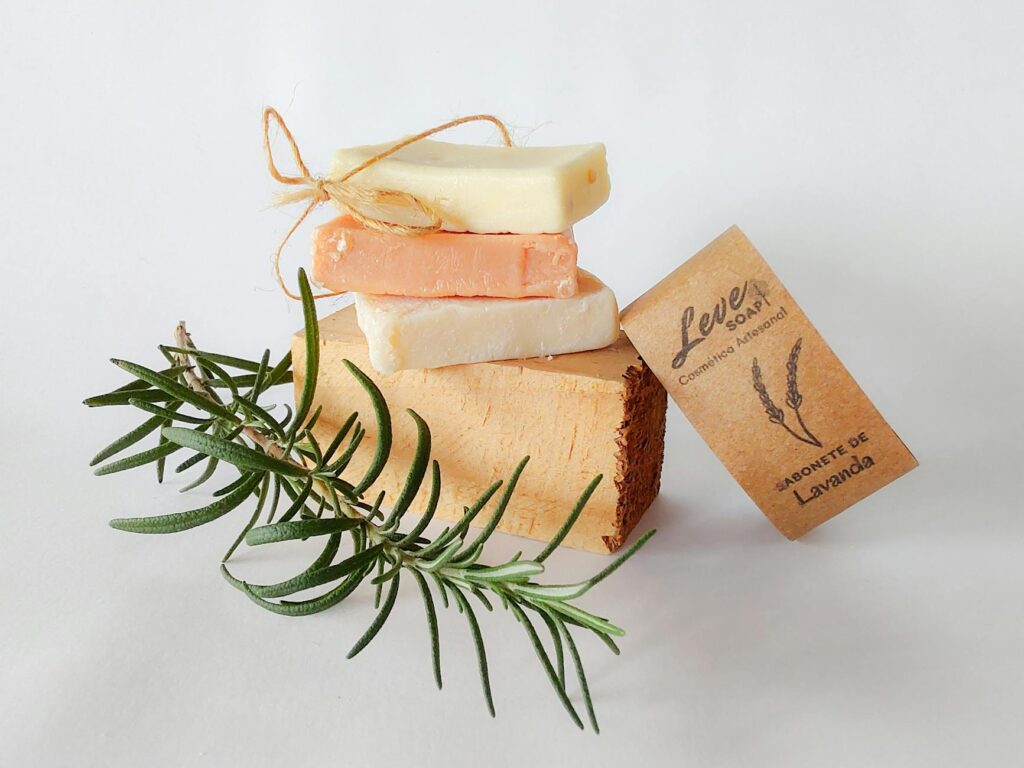
Aromatherapy Uses of Herbal Infused Soaps
Introduction
Aromatherapy, an ancient practice rooted in the use of essential oils and natural fragrances, has gained popularity in contemporary wellness regimens. One intriguing application of these aromatic compounds is found in herbal infused soaps. Not only do these soaps cleanse the skin, but they also impart therapeutic properties derived from the herbs and essential oils used in their formulation. This article explores the essence of herbal infused soaps, their benefits, common uses, and how they can enhance your aromatherapy experience.
What Is Herbal Infused Soaps?
Herbal infused soaps are crafted by incorporating herbal extracts, essential oils, and other natural ingredients into the soap-making process. These soaps leverage the aromatic and therapeutic properties of various herbs, which can include anything from lavender and chamomile to eucalyptus and peppermint. The infusion process typically involves steeping the herbs in oils or water, allowing the beneficial compounds to permeate the medium before being combined with traditional soap-making ingredients.
This method not only enhances the scent and aesthetic of the soap but also enriches it with the therapeutic attributes of the herbs. The final product is a versatile cleansing agent that offers the benefits of both soap and aromatherapy.
Key Benefits and Properties
1. Cleansing and Nourishing
Herbal infused soaps maintain the fundamental properties of soap, effectively cleansing the skin while often incorporating moisturizing agents such as oils and butters. The presence of herbal extracts can provide additional nourishment, helping to soothe and soften the skin.
2. Aromatic Experience
The integration of essential oils into herbal infused soaps results in a pleasurable aromatic experience. The scents can uplift the mood, evoke memories, and create a calming environment during bathing or handwashing.
3. Therapeutic Properties
Many herbs possess properties that can enhance well-being. For instance, chamomile is known for its calming effects, while eucalyptus is often associated with respiratory support. The properties of these herbs can influence emotional and mental states when used in aromatic applications.
4. Natural Ingredients
Herbal infused soaps are often made with natural ingredients, making them a preferable choice for those seeking to avoid synthetic additives and harsh chemicals found in commercial soaps. This can be beneficial for individuals with sensitive skin or allergies.
Common Uses
Herbal infused soaps can be used in various contexts, each serving a unique purpose:
1. Daily Cleansing
The primary use of herbal infused soaps is for daily cleansing. They can be utilized in the shower, bath, or at the sink for handwashing, providing an aromatic experience while removing dirt and impurities.
2. Relaxation Rituals
Incorporating herbal infused soaps into relaxation rituals can enhance the overall experience. For example, a warm bath with lavender-infused soap can create a tranquil atmosphere, promoting relaxation and stress relief.
3. Gifts and Special Occasions
Due to their appealing appearance and aromatic qualities, herbal infused soaps make thoughtful gifts for various occasions. They can be packaged beautifully and presented as personalized gifts for birthdays, holidays, or as part of spa baskets.
4. Skin Care Routines
Some individuals incorporate herbal infused soaps into their skincare routines, particularly for specific skin types or concerns. For example, tea tree oil-infused soap may be favored by those with oily or acne-prone skin.
Aromatherapy Applications
The aromatic properties of herbal infused soaps extend their utility beyond mere cleansing. Here are some ways they can enhance your aromatherapy practices:
1. Mindfulness and Meditation
Using herbal infused soap during mindfulness or meditation practices can deepen the experience. The scent can help ground the individual, allowing for a more focused and calming session.
2. Creating a Spa-like Atmosphere at Home
Incorporating herbal infused soaps into your bathing routine can transform an ordinary bath into a spa-like experience. The aromas can fill the air, creating a serene environment that promotes relaxation and self-care.
3. Enhancing Emotion Regulation
Certain scents may evoke specific emotions or memories. Using herbal infused soaps that feature scents like citrus for energy or lavender for calm can support emotional well-being throughout the day.
4. Host Aromatherapy Sessions
Herbal infused soaps can be used in group settings, such as aromatherapy workshops or wellness retreats. Participants can explore various scents and their corresponding effects, enhancing their understanding of aroma and its impact on mood and well-being.
Safety Considerations
While herbal infused soaps are generally safe for use, it is essential to keep a few safety considerations in mind:
1. Allergies and Sensitivities
Individuals should be aware of any allergies or skin sensitivities they may have to specific herbs or essential oils. Conducting a patch test before widespread use can help prevent adverse reactions.
2. Dilution of Essential Oils
When creating herbal infused soaps at home, it is crucial to follow guidelines for diluting essential oils to avoid skin irritation. Some essential oils can be potent and may cause reactions if not properly diluted.
3. Storage
Proper storage of herbal infused soaps is vital to maintain their quality and effectiveness. Store them in a cool, dry place away from direct sunlight to prevent degradation of the essential oils and herbal extracts.
Storage and Shelf Life
Herbal infused soaps typically have a shelf life of 6 months to 1 year, depending on the ingredients used and storage conditions. To maximize the longevity of your soaps, consider the following tips:
1. Keep Dry Between Uses
To prevent the growth of bacteria or mold, allow the soap to dry thoroughly between uses. A soap dish with drainage holes is ideal for this purpose.
2. Avoid Moist Environments
Store herbal infused soaps in a cool, dry environment. Excess humidity can lead to deterioration and reduce the soap’s effectiveness.
3. Check for Changes
Regularly inspect your herbal infused soaps for any changes in color, scent, or texture. If any signs of spoilage are observed, it is best to discard the soap.
Frequently Asked Questions
1. Can I make herbal infused soaps at home?
Yes, making herbal infused soaps at home is a rewarding process. There are various recipes available that guide you through the steps of infusing herbs and essential oils into your soap mixture.
2. What are some popular herbs for infusion?
Common herbs used in herbal infused soaps include lavender, chamomile, rosemary, peppermint, and tea tree. Each herb brings unique properties and aromas.
3. Are herbal infused soaps suitable for all skin types?
While many herbal infused soaps are suitable for a range of skin types, it’s essential to choose formulations that cater to specific needs, especially for sensitive or problematic skin.
4. How should I store my herbal infused soaps?
Store herbal infused soaps in a cool, dry place, away from direct sunlight. Allow them to dry between uses to prolong their shelf life.
5. Can I use herbal infused soaps on my face?
While many herbal infused soaps can be used on the face, it is advisable to choose those specifically formulated for facial use, as facial skin is often more sensitive than skin on other parts of the body.
Conclusion
Herbal infused soaps offer a unique way to enjoy the benefits of both cleansing and aromatherapy. By understanding their properties, uses, and safety considerations, individuals can incorporate these delightful soaps into their daily routines. Whether used for daily cleansing, relaxation rituals, or as thoughtful gifts, herbal infused soaps present a versatile and enriching addition to any wellness regimen.