
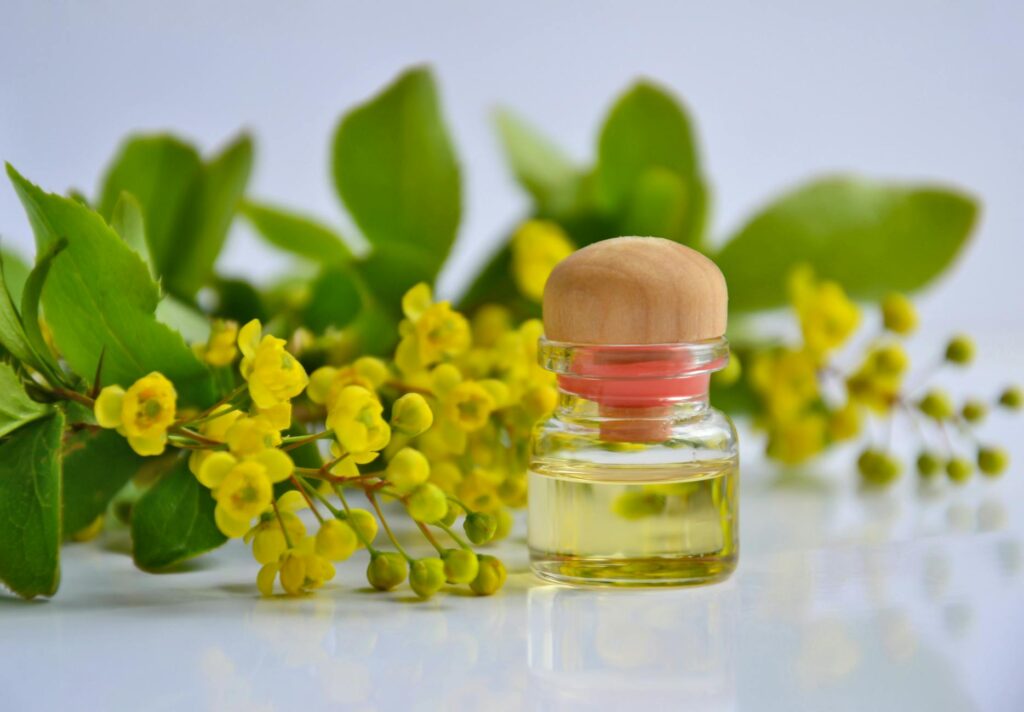
Aromatherapy Uses of Herbal Infused Spirits
Introduction
Aromatherapy is a holistic approach to well-being that harnesses the therapeutic properties of essential oils and various botanical extracts. Among the diverse range of substances utilized in this practice, herbal infused spirits stand out for their unique qualities and applications. This article explores what herbal infused spirits are, their benefits, common uses, and their role in aromatherapy.
What Is Herbal Infused Spirits?
Herbal infused spirits are alcoholic beverages that have been infused with herbs, flowers, or other botanical ingredients. The infusion process involves steeping these botanicals in a neutral spirit, such as vodka or brandy, allowing the alcohol to extract essential oils, flavors, and therapeutic properties from the plant material.
Typically, the infusion process can take anywhere from a few days to several weeks, depending on the desired potency and flavor. The resulting product captures the essence of the herbs, making it a versatile component in both culinary and therapeutic applications.
Key Benefits and Properties
Herbal infused spirits possess a variety of botanical properties that can contribute to overall well-being. While these spirits are not substitutes for medical treatment, they can complement lifestyle choices and promote relaxation and enjoyment.
1. Aromas and Flavor Profiles
The aromatic qualities of herbal infused spirits are derived from the volatile compounds in the infused botanicals. These compounds can create uplifting, calming, or energizing effects, depending on the herbs used. Commonly infused herbs include:
- Lavender: Known for its calming properties, lavender can promote relaxation and alleviate stress.
- Rosemary: Often associated with mental clarity, rosemary can help enhance focus and cognitive function.
- Peppermint: Recognized for its invigorating scent, peppermint can stimulate the senses and promote alertness.
2. Antioxidant Properties
Many herbs used in infusions are rich in antioxidants, which can help combat oxidative stress in the body. While these benefits are more pronounced in herbal teas or extracts, the presence of these compounds in herbal spirits may contribute to an overall sense of well-being.
3. Digestive Support
Certain herbal infusions, such as those containing ginger or chamomile, are believed to support digestive health. While the alcohol content can limit the efficacy of these herbs, the sensory experience of consuming herbal spirits may still enhance the enjoyment of meals and social gatherings.
Common Uses
Herbal infused spirits can be utilized in a variety of ways, making them versatile additions to both culinary and therapeutic practices. Some common uses include:
1. Cocktails and Mixology
Herbal infused spirits serve as unique bases for cocktails, allowing mixologists to create signature drinks that showcase the flavors and aromas of the botanicals. For instance, a lavender-infused gin can add a floral twist to classic cocktails like gin and tonic.
2. Culinary Applications
In the culinary world, herbal infused spirits can be used in marinades, dressings, or desserts. Their distinct flavors can elevate dishes, providing depth and complexity. For example, rosemary-infused vodka may enhance a savory sauce or dressing.
3. Aromatherapy Blends
In aromatherapy, herbal infused spirits can be used as a carrier for essential oils or as a base for room sprays and other aromatic products. Their aromatic profile can complement or enhance the therapeutic properties of essential oils.
Aromatherapy Applications
The application of herbal infused spirits in aromatherapy is a fascinating area that bridges culinary and sensory experiences. Here are some ways these spirits can be integrated into aromatherapy practices:
1. Room Sprays
Creating a room spray with herbal infused spirits can provide a natural way to freshen up living spaces. By combining the spirit with distilled water and a few drops of complementary essential oils, one can create a fragrant mist that enhances the ambiance of a room.
2. Scented Bath Soaks
Adding a splash of herbal infused spirits to a warm bath can create a luxurious and aromatic experience. The combination of heat and the aromatic properties of the spirit can promote relaxation and stress relief.
3. Inhalation Techniques
Inhaling the aromas of herbal infused spirits can stimulate the senses and evoke emotional responses. A few drops on a handkerchief or in a diffuser can create an aromatic atmosphere conducive to relaxation or focus.
4. Massage Oils
While herbal infused spirits are not typically used as standalone massage oils due to their alcohol content, they can be blended with carrier oils to create a fragrant massage oil. This combination can enhance the sensory experience during massage therapy.
Safety Considerations
While herbal infused spirits can be enjoyable and beneficial, it is essential to consider safety when using them in aromatherapy and other applications:
1. Alcohol Content
Due to the alcohol content, caution should be exercised when using herbal infused spirits, particularly around children, pregnant individuals, or those with alcohol sensitivities.
2. Allergic Reactions
As with any botanical product, individuals should be aware of potential allergies. Conducting a patch test or seeking advice from knowledgeable sources is advisable before extensive use.
3. Consultation
While herbal infused spirits can enhance relaxation and enjoyment, they should not replace medical treatments or advice. If individuals have health concerns, especially related to alcohol consumption, it is crucial to consult a healthcare professional.
Storage and Shelf Life
Proper storage of herbal infused spirits is essential for maintaining their quality and potency. Here are some tips:
1. Dark, Cool Environment
Store herbal infused spirits in a dark, cool place to prevent degradation from light and heat. A pantry or cabinet away from direct sunlight is ideal.
2. Tightly Sealed Containers
Ensure that the containers are tightly sealed to prevent evaporation and contamination. Glass bottles with airtight seals are often preferred.
3. Shelf Life
The shelf life of herbal infused spirits can vary based on the ingredients used and the storage conditions. Generally, they can last for several months to a few years if stored properly. Regularly check for changes in aroma or flavor as indicators of quality.
Frequently Asked Questions
1. Can I make my own herbal infused spirits?
Yes, making herbal infused spirits at home is a straightforward process. Choose your desired herbs, combine them with a neutral spirit, and allow them to steep for a specified period. Strain and store in a sealed container.
2. What herbs are best for infusing?
Common herbs for infusing include lavender, rosemary, mint, chamomile, and ginger. The choice depends on personal preference and the desired aromatic qualities.
3. Are herbal infused spirits safe to consume?
When consumed in moderation, herbal infused spirits can be a delightful addition to culinary experiences. However, they should be approached with caution, especially by individuals with alcohol sensitivities or certain health conditions.
4. Can I use herbal infused spirits in aromatherapy if I don’t drink alcohol?
Yes, herbal infused spirits can still be used in aromatherapy applications, such as room sprays or bath soaks, even if you don’t consume alcohol. The aromatic qualities can provide therapeutic benefits without ingestion.
5. How can I enhance the effects of herbal infused spirits in aromatherapy?
Combining herbal infused spirits with complementary essential oils can enhance their aromatic and therapeutic effects. Experiment with different blends to find what resonates best with your senses.
Conclusion
Herbal infused spirits offer a unique blend of aromatic and culinary experiences, making them valuable additions to both kitchens and aromatherapy practices. Their diverse properties can enhance relaxation, elevate meals, and create memorable sensory experiences. As with any botanical product, understanding their uses, benefits, and safety considerations can lead to a more enriched and enjoyable exploration of herbal infused spirits in everyday life.