
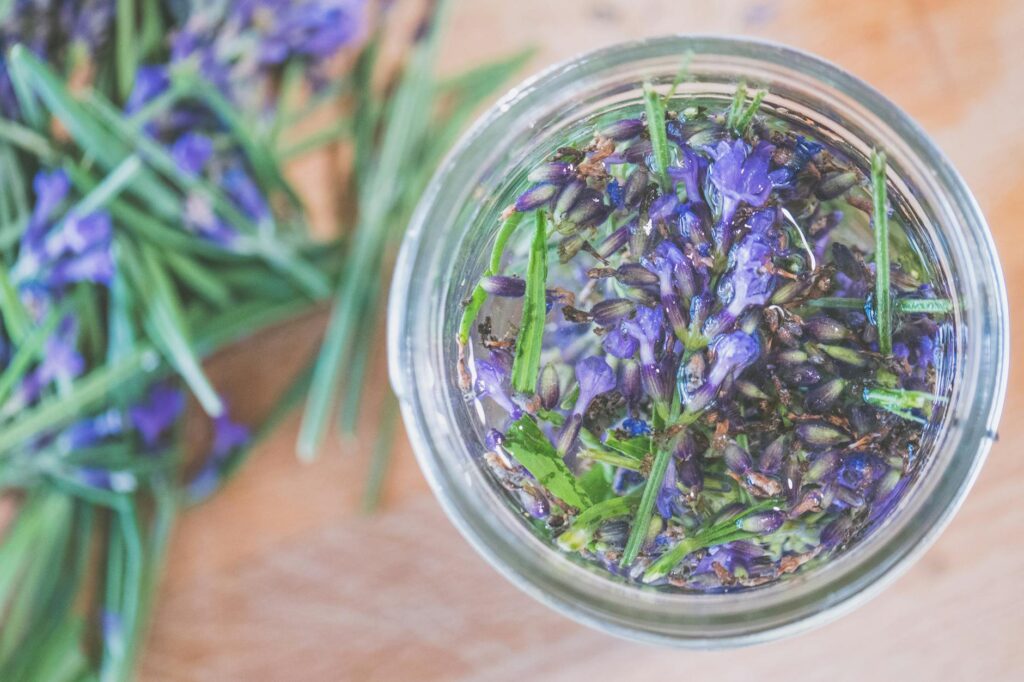
Aromatherapy Uses of Herbal Infused Syrups
Introduction
Aromatherapy, the practice of using essential oils and aromatic compounds for therapeutic purposes, has gained popularity across various cultures for its potential benefits in promoting well-being. A less discussed, yet equally fascinating aspect of aromatherapy is the use of herbal infused syrups. These syrups combine the goodness of herbs with the delightful essence of aromatic oils, creating a versatile medium that can be used in different ways—from culinary applications to holistic wellness practices. This article delves into the intricacies of herbal infused syrups, their benefits, uses, and applications in aromatherapy.
What Is Herbal Infused Syrups?
Herbal infused syrups are concentrated liquid extracts made by steeping herbs in a sweetener, typically sugar or honey, often in combination with water. This infusion process allows the active compounds and aromatic qualities of the herbs to meld with the sweetener, resulting in a syrup that carries both flavor and therapeutic properties. The process usually involves the following steps:
1. Selecting the Herbs: Fresh or dried herbs are chosen based on their desired aromatic and therapeutic properties.
2. Infusion: The selected herbs are steeped in a sweetener, often heated gently to expedite the extraction of beneficial compounds.
3. Straining: After sufficient steeping time, the mixture is strained to remove the solid herb particles, leaving behind a fragrant syrup.
4. Preservation: Some syrups may be further preserved with additional sweeteners or by canning, allowing for extended shelf life.
This process results in a syrup that can be enjoyed as a culinary delight or used as an aromatic agent in various applications.
Key Benefits and Properties
Herbal infused syrups offer a host of benefits, both in terms of flavor and potential wellness properties. Some key benefits include:
1. Flavor Enhancement: The infusion process captures the essential flavors of the herbs, making syrups a delightful addition to teas, cocktails, desserts, and other culinary creations.
2. Aromatic Qualities: The aromatic compounds extracted during the infusion can elevate the sensory experience, providing a soothing or uplifting ambiance when used in aromatherapy practices.
3. Versatility: These syrups can be used in a variety of settings—from culinary applications to therapeutic uses—making them a versatile addition to any kitchen or wellness toolkit.
4. Natural Alternatives: For those seeking natural remedies, herbal infused syrups provide an alternative to synthetic flavorings and additives often found in commercial products.
5. Taste and Aroma Synergy: The combination of taste and aroma can create a multi-sensory experience that enhances mood and relaxation, making them particularly useful in aromatherapy.
Common Uses
Herbal infused syrups can be utilized in many ways, enhancing both culinary experiences and holistic practices. Common uses include:
1. Culinary Applications: These syrups can be drizzled over pancakes, mixed into beverages, or used as sweeteners in various recipes. Popular herbs for culinary syrups include mint, thyme, and lavender.
2. Herbal Teas: Adding herbal infused syrup to hot water can create a flavorful herbal tea, making it easier to enjoy the benefits of the herbs.
3. Cocktails and Mocktails: Infused syrups can serve as an excellent base for creative cocktails or non-alcoholic beverages, providing unique flavor profiles.
4. Aromatic Diffusion: When added to a diffuser or humidifier, the aromatic qualities of the syrup can fill a room with delightful scents, enhancing the atmosphere.
5. Self-Care Rituals: Herbal syrups can be incorporated into bath rituals or skincare routines, where their fragrances can contribute to relaxation and well-being.
Aromatherapy Applications
In the realm of aromatherapy, herbal infused syrups can be particularly useful in various applications, including:
1. Aromatic Baths: Adding a few tablespoons of herbal infused syrup to a warm bath can create a soothing aromatic experience. The steam helps to release the scents, providing a calming environment.
2. Inhalation: A few drops of herbal infused syrup can be added to a bowl of hot water, allowing for inhalation of the steam. This can help enhance respiratory wellness while enjoying the aromatic benefits.
3. Scented Candles: Incorporating herbal infused syrups into homemade candles can create aromatic effects when burned, allowing the scents to permeate a space.
4. Massage Oils: When diluted with a carrier oil, herbal infused syrups can serve as a fragrant massage oil, combining the benefits of touch therapy with aromatic experiences.
5. Room Sprays: Mixing herbal infused syrups with water in a spray bottle can create a fragrant room spray, perfect for refreshing indoor spaces.
Safety Considerations
While herbal infused syrups generally embody natural ingredients, it is essential to consider safety when using them for aromatherapy or culinary purposes. Here are some considerations:
1. Allergies: Always check for any allergies related to specific herbs before using them in syrups. Some individuals may have sensitivities that can lead to adverse reactions.
2. Quality and Purity: Ensure that the herbs used are of high quality and free from contaminants. This is especially important if the herbs are sourced from wild environments.
3. Dosage: Use herbal infused syrups in moderation. While the herbs may carry beneficial properties, excessive consumption may lead to unintended effects.
4. Consultation: It is advisable to consult with a knowledgeable herbalist or aromatherapist, especially if you are pregnant, nursing, or have existing health conditions.
5. Storage: Proper storage is crucial to maintain the syrup’s quality and safety. This includes keeping it in a cool, dark place and using clean utensils to avoid contamination.
Storage and Shelf Life
The shelf life of herbal infused syrups can vary based on the ingredients used and the preservation methods employed. Here are some guidelines for storage:
1. Refrigeration: Once prepared, herbal infused syrups should ideally be stored in the refrigerator to prolong their shelf life. Most syrups can last for 1–3 months when refrigerated.
2. Containers: Use glass or food-grade plastic containers to store the syrups. Ensure that the containers are airtight to prevent moisture and air exposure, which can degrade the syrup.
3. Labeling: Clearly label the syrups with the date of preparation and the herbs used. This will help monitor freshness and usage.
4. Signs of Spoilage: Before using the syrup, always check for signs of spoilage, such as changes in color, odor, or the presence of mold. If any of these are present, it is best to discard the syrup.
Frequently Asked Questions
1. Can I use any herb to make herbal infused syrups?
While most herbs can be used, it is best to choose those with aromatic and culinary qualities. Common herbs include mint, chamomile, lavender, and rosemary.
2. Are herbal infused syrups safe for children?
Generally, herbal infused syrups can be safe for children, but it is essential to choose herbs that are known to be suitable for their age group and to consult with a healthcare provider if unsure.
3. How do I know which herbs to use?
Choosing herbs often depends on personal preferences and desired effects. Researching each herb’s properties or consulting a knowledgeable source can help guide your selection.
4. Can I use herbal infused syrups in baking?
Yes, herbal infused syrups can be incorporated into baking recipes as a natural sweetener, adding unique flavors to cakes, cookies, and more.
5. How can I enhance the flavor of my herbal infused syrup?
Experimenting with different combinations of herbs, adjusting the sugar-to-water ratio, or adding spices like cinnamon or ginger can enhance the flavor profile of your syrup.
Conclusion
Herbal infused syrups represent a unique intersection of culinary delight and aromatherapy, offering a wealth of benefits and applications. By understanding their properties and uses, one can integrate these delightful syrups into daily routines, enhancing flavors and creating aromatic experiences. Whether used in cooking, self-care rituals, or as part of a therapeutic practice, herbal infused syrups invite exploration and creativity in the world of aromatherapy.