
Aromatherapy Uses of Herbal Infused Vinegars for Beauty Benefits
Introduction
The intersection of nature and wellness has led to a resurgence of interest in natural remedies, particularly in the realm of beauty and personal care. Among these remedies, herbal infused vinegars have gained popularity for their versatility and effectiveness. This article explores the beauty benefits of herbal infused vinegars, their key properties, common applications, and their role in aromatherapy.
What Are Herbal Infused Vinegars for Beauty Benefits?
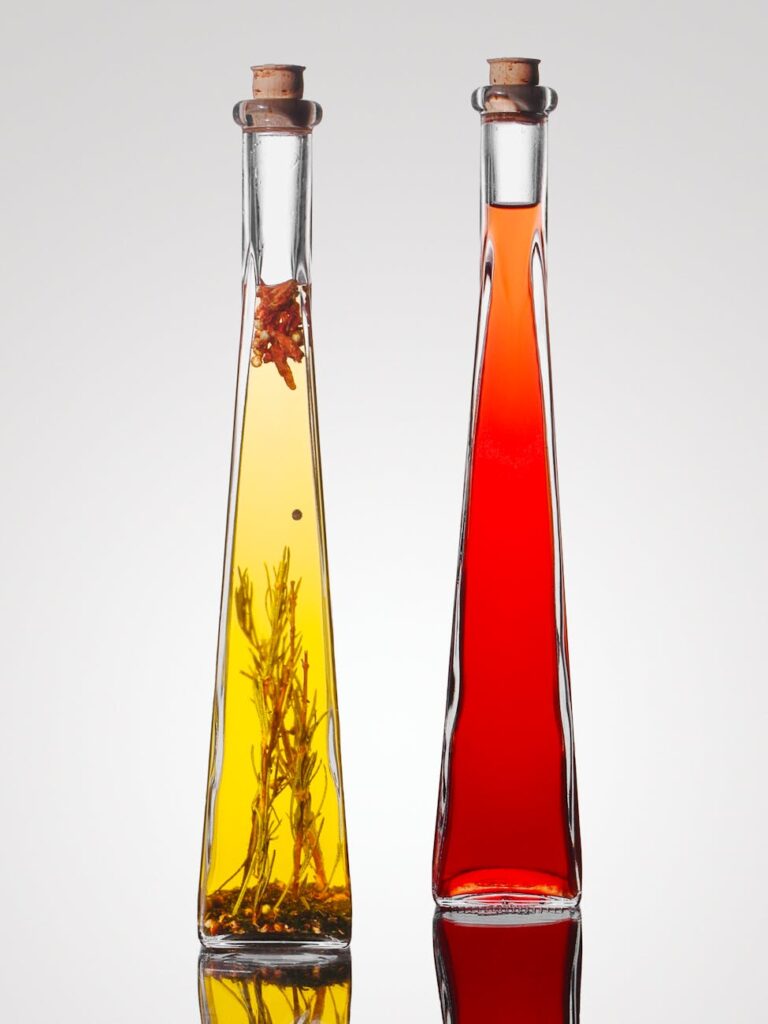
Herbal infused vinegars are created by steeping various herbs, flowers, or botanicals in vinegar over a period of time. This process allows the beneficial properties of the herbs to be extracted into the vinegar, resulting in a product that is rich in nutrients, antioxidants, and aromatic compounds. The most commonly used vinegars for infusion are apple cider vinegar and white wine vinegar, which are known for their mild acidity and ability to preserve the essence of the herbs.
The resulting infused vinegar can be used in a variety of beauty applications, from hair care to skin treatments. The aromatic qualities of these infusions can also enhance the sensory experience, making them a delightful addition to self-care routines.
Key Benefits and Properties
The benefits of herbal infused vinegars for beauty are manifold, encompassing both physical and sensory aspects:
1. Astringent Properties
Herbal infused vinegars can have natural astringent qualities, which can help tighten the skin and reduce the appearance of pores. This makes them particularly useful for oily or acne-prone skin.
2. Antioxidant Richness
Many herbs used in infusions are rich in antioxidants, which can help combat oxidative stress and promote healthier skin. Ingredients like rosemary, thyme, and chamomile are known for their protective properties.
3. Hydration and Moisture
When diluted appropriately, herbal infused vinegars can also help to balance the skin’s pH and provide moisture. This is particularly beneficial when they are combined with other hydrating ingredients.
4. Hair Care Benefits
Herbal infused vinegars can enhance hair health by providing shine, reducing frizz, and improving scalp health. They can also help remove product buildup and restore the natural luster of hair.
5. Aromatic Experience
The scents of the herbs used in the infusions can provide a calming or uplifting effect, contributing to the overall experience of using these vinegars in beauty routines.
Common Uses
Herbal infused vinegars can be utilized in various beauty applications:
1. Facial Toner
Diluted herbal infused vinegar can be used as a facial toner to help balance the skin’s pH, reduce oiliness, and tighten pores. It is often mixed with water or floral waters for enhanced benefits.
2. Hair Rinse
A herbal infused vinegar rinse can be applied after shampooing to help restore shine and remove buildup. It can also soothe the scalp and reduce dandruff.
3. Body Scrub
In combination with sugar or salt, herbal infused vinegars can be used in body scrubs for exfoliation and nourishment, leaving the skin smooth and refreshed.
4. Soothing Bath Soak
Adding herbal infused vinegar to a warm bath can create a soothing soak, helping to relax the body and nourish the skin.
5. Foot Soak
Herbal infused vinegars can be used in foot soaks to help cleanse and refresh tired feet.
Aromatherapy Applications
Incorporating herbal infused vinegars into aromatherapy practices can enhance their benefits. The aromatic compounds extracted from the herbs can provide therapeutic effects when inhaled or applied topically.
1. Inhalation
Inhalation of the aromatic vapors from herbal infused vinegar can promote relaxation or invigoration, depending on the herbs used. For example, infusions with lavender can be soothing, while those with peppermint can be energizing.
2. Massage Oils
Herbal infused vinegars can be combined with carrier oils for use in massage. This not only provides the benefits of the herbs but also enhances the overall sensory experience.
3. Diffusion
While not commonly used in diffusers, a few drops of herbal infused vinegar can be added to warm water in a diffuser tray to release the aroma into the air, creating a fragrant environment.
4. Skin Applications
When diluted with water, herbal infused vinegars can be applied topically to the skin for their aromatic qualities and therapeutic benefits. This can be particularly effective for skincare routines aimed at relaxation or rejuvenation.
Safety Considerations
While herbal infused vinegars are generally safe for topical use, it is important to consider a few safety precautions:
1. Patch Testing
Before using any herbal infused vinegar on the skin, conduct a patch test to check for any allergic reactions or sensitivities. Apply a small amount to a discreet area (such as the inner arm) and wait 24 hours.
2. Dilution
Herbal infused vinegars are often acidic and can cause irritation if used undiluted. Always dilute with water or another carrier before applying to the skin or hair.
3. Avoiding Sensitive Areas
Avoid applying herbal infused vinegars near sensitive areas such as the eyes, mucous membranes, or broken skin.
4. Consultation
If you are pregnant, nursing, or have any known allergies, consult with a healthcare provider before using herbal infused vinegars in your beauty routine.
Storage and Shelf Life
To maintain the potency and effectiveness of herbal infused vinegars, proper storage is essential:
1. Storage Conditions
Store herbal infused vinegars in a cool, dark place, away from direct sunlight. A glass container is ideal, as it is non-reactive and helps preserve the integrity of the infusion.
2. Shelf Life
Typically, herbal infused vinegars can last up to a year if stored properly. However, it’s advisable to check for any changes in appearance, smell, or sediment before use.
3. Signs of Spoilage
If the vinegar develops an off smell, unusual color, or sediment, it should be discarded.
Frequently Asked Questions
1. Can I make my own herbal infused vinegar?
Yes, making your own herbal infused vinegar is relatively simple. Choose your desired herbs, fill a clean glass jar with them, and cover with vinegar. Seal the jar and allow it to infuse for 2-4 weeks in a dark, cool place.
2. Which herbs are best for beauty infusions?
Popular herbs for beauty infusions include lavender, rosemary, chamomile, calendula, and mint. Each offers unique properties that can enhance beauty routines.
3. How do I use herbal infused vinegar as a toner?
To use as a toner, mix one part herbal infused vinegar with two parts water. Apply it to the face with a cotton pad after cleansing.
4. Are there any contraindications for using herbal infused vinegar?
While generally safe, individuals with sensitive skin or specific allergies should approach herbal infused vinegars with caution. Always perform a patch test before regular use.
5. Can I use herbal infused vinegar in cooking?
Yes, many herbal infused vinegars can also be used in culinary applications, adding flavor and nutritional benefits to salads and marinades.
Conclusion
Herbal infused vinegars offer a unique blend of beauty benefits and aromatic experiences, making them a valuable addition to any natural beauty routine. Their versatility allows for a wide range of applications, from skincare to hair care, while their aromatic properties can enhance both physical and emotional well-being. By incorporating herbal infused vinegars into your self-care regimen, you can embrace the power of nature to nourish both body and spirit.