
Aromatherapy Uses of Herbal Infused Vinegars for Health Benefits
Introduction
Herbal infused vinegars have gained popularity in recent years, especially within the realm of natural health and wellness. These versatile concoctions harness the beneficial properties of herbs and the acidity of vinegar, creating a powerful elixir with a multitude of uses. Whether for culinary purposes, cleaning, or aromatherapy, herbal infused vinegars offer a range of health benefits that can enhance both physical and emotional well-being. This article delves into the various aspects of herbal infused vinegars, exploring their benefits, applications, and considerations for safe usage.
What Are Herbal Infused Vinegars for Health Benefits?
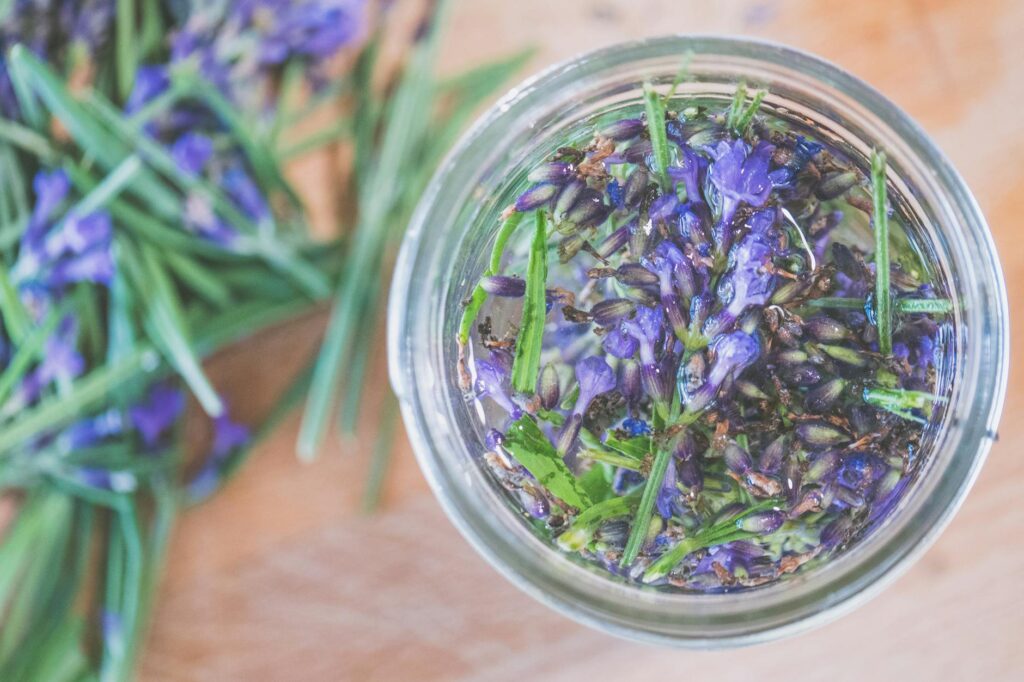
Herbal infused vinegar is created by steeping fresh or dried herbs in vinegar for a specified period, allowing the flavors and properties of the herbs to meld with the acidity of the vinegar. Common types of vinegars used for infusion include apple cider vinegar, white wine vinegar, and rice vinegar. The infusion process enables the extraction of the active compounds found in herbs, such as essential oils, antioxidants, and vitamins, making the resulting product rich in health-promoting qualities.
The infusion can also enhance the flavor of the vinegar, making it a delightful addition to salads, marinades, and other culinary creations. However, beyond culinary uses, herbal infused vinegars also have applications in aromatherapy, where they can be utilized for their soothing and balancing effects.
Key Benefits and Properties
1. Antimicrobial Properties
Many herbs used in infusions—such as rosemary, thyme, and oregano—are known for their antimicrobial properties. When infused in vinegar, these properties can help inhibit the growth of certain pathogens, making herbal infused vinegars useful for cleaning and as food preservatives.
2. Digestive Support
Vinegar itself has been recognized for its potential digestive benefits, such as promoting healthy digestion and balancing stomach acidity. Infusing vinegar with herbs like peppermint or ginger can further enhance these effects, providing relief from digestive discomfort.
3. Anti-Inflammatory Effects
Herbs such as turmeric and chamomile possess anti-inflammatory properties. These can be beneficial when infused in vinegar, potentially aiding in the reduction of inflammation and promoting overall wellness.
4. Antioxidant Benefits
Herbal infused vinegars can be a source of antioxidants, which help combat oxidative stress in the body. Herbs like basil and sage contain high levels of antioxidants, contributing to the overall health benefits of the infused vinegar.
5. Aroma and Emotional Benefits
The aromatic compounds released during the infusion process can have uplifting or calming effects. Aromatherapy practitioners often utilize the scents of infused vinegars in various applications to support emotional well-being.
Common Uses
1. Culinary Applications: Herbal infused vinegars can be used in salad dressings, marinades, and as a finishing touch on dishes to enhance flavor and nutrition.
2. Cleaning Solutions: Due to their antimicrobial properties, herbal infused vinegars can serve as natural cleaning agents. They can be diluted with water and used on surfaces to disinfect and remove odors.
3. Hair Rinse: Diluted herbal infused vinegars can be used as a hair rinse to enhance shine and balance scalp acidity. For instance, a rosemary-infused vinegar can invigorate the scalp and promote healthy hair.
4. Skin Tonic: When diluted with water, herbal infused vinegars can be used as a facial toner, helping to balance the skin’s pH and providing a refreshing sensation.
5. Aromatherapy: The aromatic qualities of herbal infused vinegars can be harnessed in various aromatherapy applications, enhancing emotional well-being and relaxation.
Aromatherapy Applications
In the realm of aromatherapy, herbal infused vinegars can be utilized in several ways:
1. Aromatic Mists
Herbal infused vinegars can be combined with distilled water to create aromatic mists. These mists can be sprayed in living spaces to uplift the atmosphere or in personal spaces for a refreshing sensory experience. For example, a lavender-infused vinegar mist can promote relaxation and tranquility.
2. Bath Soaks
Adding herbal infused vinegar to bathwater can enhance the aromatherapy experience. The scents and properties of the herbs can provide a soothing and invigorating effect, helping to relieve tension and promote relaxation.
3. Diffusion
While not as common as essential oils, herbal infused vinegars can also be used in some diffusers designed for liquids. The aromatic compounds can fill a room with the essence of the infused herbs, creating an uplifting or calming atmosphere.
4. Massage Oils
By combining herbal infused vinegar with carrier oils, practitioners can create soothing massage oils. The infusion can impart both the aromatic qualities and beneficial properties of the herbs, enhancing the overall massage experience.
Safety Considerations
While herbal infused vinegars are generally safe for most individuals, some considerations are essential to keep in mind:
1. Dilution: Always dilute herbal infused vinegar before applying it to the skin or ingesting it. The acidity may cause irritation if used in high concentrations.
2. Allergies: Individuals with known allergies to specific herbs should avoid infusions made with those herbs.
3. Interactions: Be cautious when using herbal infused vinegars in conjunction with medications, particularly those that affect digestion or blood sugar levels.
4. Quality of Ingredients: Use high-quality, organic herbs and vinegars to ensure the best results and minimize exposure to pesticides or unwanted chemicals.
5. Consultation: If unsure about the safety of using herbal infused vinegars for specific purposes, it is advisable to consult with a healthcare professional or a qualified aromatherapist.
Storage and Shelf Life
Proper storage is crucial for maintaining the quality and effectiveness of herbal infused vinegars. Here are some tips:
1. Container: Store herbal infused vinegars in glass containers to avoid leaching of chemicals from plastic. Dark glass is preferable, as it protects the contents from light exposure.
2. Cool, Dark Place: Keep the infused vinegar in a cool, dark place, such as a pantry or cabinet, to prolong its shelf life.
3. Shelf Life: Typically, herbal infused vinegars can last for several months to a year if stored properly. However, always check for signs of spoilage, such as off odors or cloudiness.
Frequently Asked Questions
1. Can I make herbal infused vinegar at home?
Yes, making herbal infused vinegar at home is a straightforward process. Simply combine your chosen herbs with vinegar in a clean jar, seal it, and let it steep for a few weeks, shaking occasionally.
2. Which herbs are best for infusion?
Popular herbs for infusion include rosemary, thyme, basil, oregano, lavender, and chamomile. You can experiment with different herbs based on your personal preferences and desired benefits.
3. Can I use any type of vinegar for infusion?
While most types of vinegar can be used, apple cider vinegar is particularly popular due to its health benefits and milder flavor. Other options include white wine vinegar and rice vinegar.
4. Are there any side effects to using herbal infused vinegars?
Generally, herbal infused vinegars are safe, but individuals should be cautious if they have allergies or sensitivities to specific herbs. Always dilute before use.
5. How can I tell if my herbal infused vinegar has gone bad?
Signs of spoilage may include unusual odors, cloudiness, or changes in color. If you observe any of these signs, it is best to discard the infusion.
Conclusion
Herbal infused vinegars offer a wealth of benefits that extend beyond culinary applications. Their rich properties can enhance health and well-being, making them a valuable addition to any natural health regimen. From their antimicrobial effects to their aromatic qualities, these infusions can be utilized in various ways, including aromatherapy, cleaning, and personal care. By understanding their uses and safety considerations, individuals can explore the potential of herbal infused vinegars to improve quality of life and enhance overall wellness.