
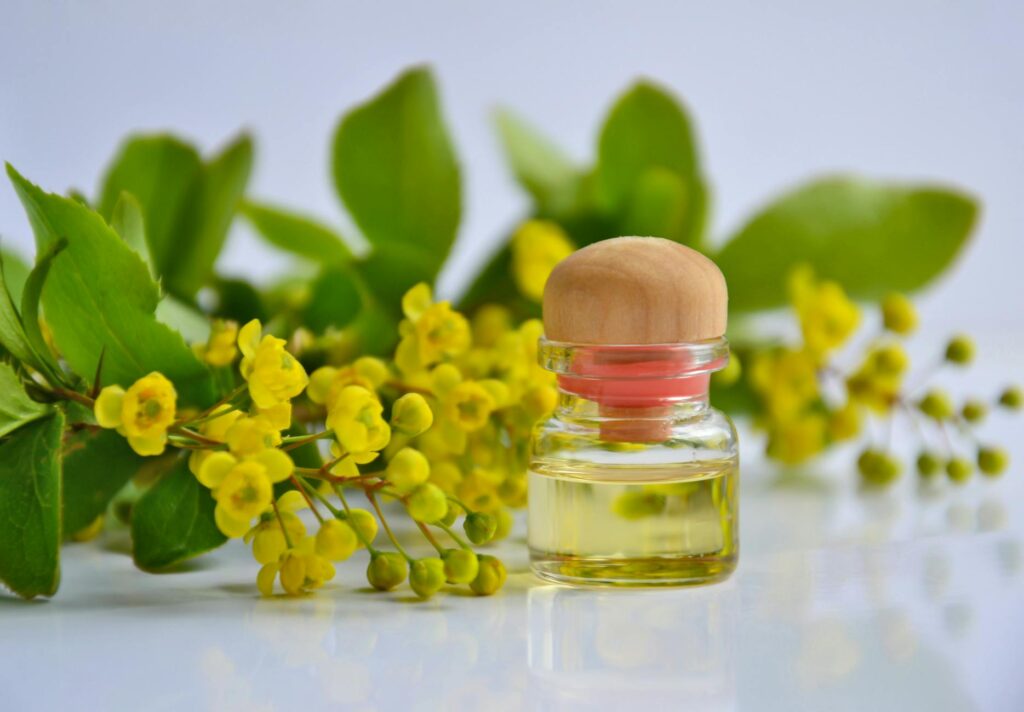
Aromatherapy Uses of Herbal Lozenges
Introduction
Aromatherapy, the practice of using essential oils for therapeutic benefits, has gained significant popularity in recent years. Within this realm, herbal lozenges have emerged as an intriguing component that merges the soothing qualities of herbs with the aromatic properties of essential oils. This article explores the definition of herbal lozenges, their benefits, common uses, and their applications in aromatherapy.
What Is Herbal Lozenges?
Herbal lozenges are small, typically medicated tablets that dissolve slowly in the mouth. They are formulated with various herbal extracts, natural sweeteners, and sometimes essential oils. The purpose of these lozenges is to provide relief from throat irritation, cough, or other discomforts associated with the respiratory system. Their primary ingredients often include herbal substances such as honey, peppermint, eucalyptus, and licorice, known for their soothing properties.
The process of creating herbal lozenges involves blending herbal extracts with a base—usually a sugar or sugar substitute—that allows for a slow dissolution. This method not only allows for a prolonged release of the active compounds but also enables the individual to benefit from both the taste and aroma of the herbs used.
Key Benefits and Properties
Herbal lozenges come with an array of benefits that stem from their natural ingredients. Some of the key properties include:
1. Soothing Effects: Many herbs used in lozenges have anti-inflammatory and soothing properties, which can help alleviate throat discomfort.
2. Antimicrobial Action: Certain herbs possess natural antimicrobial properties that can combat bacteria and viruses, contributing to overall respiratory health.
3. Expectorant Qualities: Ingredients like eucalyptus and thyme can help loosen mucus, making it easier to expel phlegm.
4. Aromatic Quality: The inclusion of essential oils provides not only a pleasant taste but also enhances the overall experience through aromatherapy.
5. Convenience: Herbal lozenges are portable and easy to use, making them an accessible option for on-the-go relief.
Common Uses
Herbal lozenges serve a variety of purposes, often tailored to specific needs. Some common uses include:
1. Throat Relief: They are frequently used to soothe sore throats and reduce coughing, particularly during cold and flu seasons.
2. Breath Freshening: Many herbal lozenges contain mint or other fragrant herbs, which can freshen breath while providing soothing relief.
3. Allergy Relief: Certain lozenges may help alleviate symptoms of allergies by calming an irritated throat or nasal passages.
4. Tension Relief: The aromatic properties of essential oils can help reduce feelings of stress or tension, providing both physical and emotional comfort.
5. Digestive Support: Some herbal lozenges include ingredients like ginger or fennel, which may assist with digestion and reduce nausea.
Aromatherapy Applications
In the context of aromatherapy, herbal lozenges can be employed in various ways to enhance well-being. Here are some notable applications:
1. Inhalation Therapy: As the lozenge dissolves, its aromatic compounds are released into the air, allowing for inhalation. This can promote relaxation and improve mood.
2. Mindfulness Practices: Incorporating herbal lozenges into mindfulness or meditation practices can create a multisensory experience, enhancing focus and awareness.
3. Stress Relief: Using lozenges that contain calming essential oils, such as lavender or chamomile, can help reduce anxiety and promote relaxation.
4. Support During Travel: Individuals traveling by air or in other confined spaces can benefit from the soothing and aromatic qualities of herbal lozenges, making them a perfect travel companion.
5. Complement to Other Aromatherapy Methods: Herbal lozenges can be used alongside other forms of aromatherapy, such as diffusers or topical applications, to create a comprehensive approach to wellness.
Safety Considerations
While herbal lozenges are generally considered safe for most individuals, it is essential to consider the following safety precautions:
1. Allergies and Sensitivities: Some individuals may have allergies or sensitivities to specific herbs or essential oils. It is crucial to read labels and consult with professionals if you have concerns.
2. Quality of Ingredients: Not all herbal lozenges are created equal. Opt for products made from high-quality, organic ingredients to ensure the best efficacy and safety.
3. Age Considerations: Some lozenges may not be suitable for young children or pregnant individuals. Always check product guidelines or consult with a healthcare professional.
4. Interactions with Medications: Certain herbs may interact with medications. If you are taking prescription medications, it is advisable to consult with a healthcare provider before using herbal lozenges.
5. Dosage: Follow the recommended dosage on the packaging. Overconsumption of herbal lozenges can lead to side effects or digestive discomfort.
Storage and Shelf Life
Proper storage of herbal lozenges is essential to maintain their effectiveness and flavor. Here are some guidelines:
1. Cool, Dry Place: Store lozenges in a cool, dry location away from direct sunlight to prevent degradation of the ingredients.
2. Airtight Containers: Keep lozenges in sealed containers to protect them from moisture and air, which can affect their flavor and aroma.
3. Check Expiration Dates: Always check the expiration date before use. While some lozenges may retain their potency beyond the expiration date, it is advisable to discard any that show signs of spoilage or change in texture or aroma.
4. Avoid Humidity: High humidity can cause lozenges to clump or dissolve prematurely. Ensure they are stored in a low-humidity environment.
Frequently Asked Questions
1. Are herbal lozenges effective for sore throats?
Herbal lozenges can provide temporary relief for sore throats due to their soothing properties. Ingredients like honey, menthol, and herbal extracts are commonly used for this purpose.
2. Can I use herbal lozenges if I have allergies?
Many herbal lozenges can be beneficial for those with allergies, but it is essential to check the ingredients carefully. If you have known allergies to specific herbs, consult a healthcare professional before use.
3. How often can I take herbal lozenges?
Follow the recommended dosage on the packaging. Generally, they can be taken as needed, but moderation is key to avoid potential side effects.
4. Are there any side effects associated with herbal lozenges?
While most herbal lozenges are safe, some individuals may experience digestive discomfort or allergic reactions. Always monitor your body’s response and discontinue use if any adverse effects occur.
5. Can I make my own herbal lozenges at home?
Yes, making herbal lozenges at home is possible using natural ingredients. However, it is crucial to research proper recipes and methods to ensure safety and effectiveness.
Conclusion
Herbal lozenges serve as a multifaceted tool within the world of aromatherapy. Their soothing properties, combined with the aromatic benefits of essential oils, create a unique experience that can enhance both physical and emotional well-being. By understanding their uses, benefits, and safety considerations, individuals can make informed choices about incorporating herbal lozenges into their wellness routines. As with any natural remedy, being mindful of personal needs and preferences will lead to a more fulfilling and enjoyable experience.