
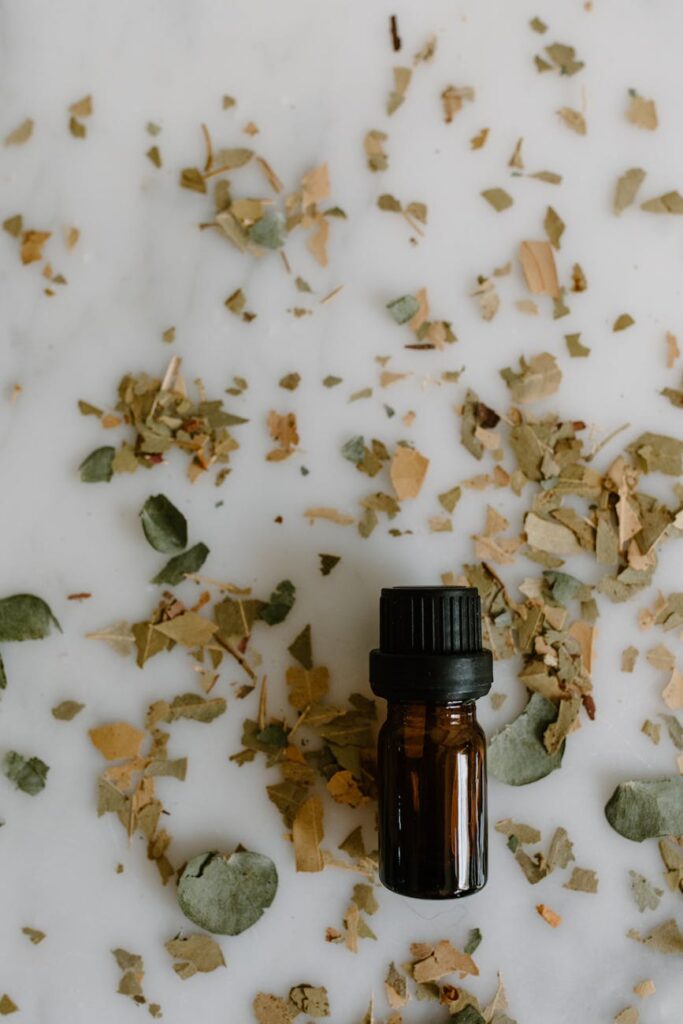
Aromatherapy Uses of Herbal Mood-Boosting Aromatherapy Blends
Introduction
Aromatherapy, the practice of using essential oils extracted from plants to enhance physical and emotional well-being, has gained significant traction in recent years. Among the various applications of aromatherapy, herbal mood-boosting blends stand out as powerful tools for promoting positive emotions and improving overall mental health. These blends harness the natural properties of plants to create synergistic effects that can uplift, calm, or balance one’s mood. This article delves into the world of herbal mood-boosting aromatherapy blends, exploring their benefits, common uses, applications, and safety considerations.
What Is Herbal Mood-Boosting Aromatherapy Blends?
Herbal mood-boosting aromatherapy blends are carefully formulated combinations of essential oils derived from various herbs known for their uplifting and calming properties. These blends leverage the potent compounds found in plants, which can influence the brain’s emotional centers, triggering responses that enhance mood and provide emotional support.
Common essential oils used in these blends include:
- Lavender: Renowned for its calming and relaxing properties.
- Bergamot: Often used for its uplifting and anxiety-reducing effects.
- Rosemary: Known for its stimulating and invigorating qualities.
- Peppermint: Commonly associated with increased energy and mental clarity.
- Chamomile: Valued for its soothing and calming effects.
- Home Diffusion: Using an essential oil diffuser to disperse the aroma throughout a room can create a calming environment, perfect for relaxation or meditation.
- Topical Application: Blends can be diluted with carrier oils and applied to pulse points, such as wrists or behind the ears, for direct inhalation and skin absorption.
- Bath Additives: Adding a few drops of mood-boosting blends to bathwater can enhance relaxation and provide a sensory experience.
- Inhalation: Inhaling from a tissue or using a personal inhaler can provide immediate access to the benefits of the essential oils, particularly during stressful moments.
- Massage Therapy: Incorporating these blends into massage oils can enhance the therapeutic effects of massage, promoting relaxation and emotional balance.
- During meditation sessions to enhance focus.
- In the evening to create a calming atmosphere for winding down.
- Stress relief via application to the wrists and neck.
- Sleep enhancement by applying to the soles of the feet before bedtime.
- Mix 5-10 drops of the essential oil blend with a tablespoon of carrier oil or an emulsifier like milk before adding it to the bathwater. This helps to disperse the oils in water.
- Tissue Method: Place a few drops of the blend on a tissue and inhale deeply.
- Personal Inhaler: These small devices allow for easy inhalation of essential oils on-the-go.
- Dilute the blend in a carrier oil before use.
- Focus on areas where tension is held, such as the shoulders and lower back.
- Skin Sensitivity: Conduct a patch test by applying a small diluted amount of the blend to a discreet area of skin to check for any allergic reactions.
- Pregnancy and Nursing: Pregnant or nursing individuals should consult a healthcare professional before using essential oils, as some oils may not be suitable during these times.
- Children and Pets: Essential oils should be used with caution around children and pets. Always consult guidelines specific to their use in these populations.
- Drug Interactions: Some essential oils may interact with medications. Consult a healthcare provider if unsure.
- Dark Glass Containers: Store essential oils in dark glass bottles to protect them from light, which can degrade their quality.
- Cool, Dry Place: Keep oils in a cool, dry environment, away from heat sources and direct sunlight.
- Shelf Life: Most essential oils have a shelf life of 1-3 years. Citrus oils tend to have a shorter shelf life, while oils like sandalwood and patchouli can last much longer.
When combined, these oils can create a harmonious blend that amplifies their individual benefits, resulting in a product that offers a more profound impact on emotional well-being.
Key Benefits and Properties
The primary benefits of herbal mood-boosting aromatherapy blends include:
1. Emotional Balance: These blends can help stabilize emotions, providing a sense of calm during stressful situations and encouraging a more balanced mood.
2. Stress Reduction: Many herbal oils possess relaxing properties that can reduce feelings of anxiety and tension, contributing to a more tranquil state of mind.
3. Enhanced Focus and Clarity: Certain herbs, like rosemary and peppermint, can promote mental clarity and focus, making them ideal for use during tasks that require concentration.
4. Improved Sleep Quality: Blends that include calming oils like lavender and chamomile can help promote restful sleep, aiding in overall emotional health.
5. Increased Energy: Some herbal oils can invigorate the senses and provide a boost of energy, making them suitable for morning routines or times of fatigue.
Common Uses
Herbal mood-boosting aromatherapy blends can be employed in various contexts, including:
Aromatherapy Applications
How to effectively utilize herbal mood-boosting blends involves understanding their various applications:
1. Diffusion
Diffusing essential oils is one of the most popular methods for enjoying their benefits. A few drops of the blend can be added to a diffuser filled with water, allowing the aromatic particles to disperse into the air. Ideal times for diffusion include:
2. Topical Application
For topical use, essential oils should be diluted with a carrier oil, such as jojoba or sweet almond oil, to prevent skin irritation. A common dilution ratio is 2-3 drops of essential oil per teaspoon of carrier oil. Topical applications can be particularly effective for:
3. Bathing
Adding essential oil blends to bathwater can create a spa-like experience at home. To do this safely:
4. Inhalation
Inhalation is a quick and effective way to experience the benefits of essential oils. This can be done using:
5. Massage
Using mood-boosting blends in massage therapy can enhance the relaxation experience. It is advisable to:
Safety Considerations
While herbal mood-boosting aromatherapy blends are generally safe for use, certain precautions should be observed:
Storage and Shelf Life
Proper storage of essential oils is crucial for maintaining their efficacy. Here are some tips:
Frequently Asked Questions
1. Can I create my own herbal mood-boosting blend?
Yes, you can create personalized blends by combining essential oils known for their mood-enhancing properties. Start with a base oil and gradually add other oils until you achieve your desired scent.
2. How often can I use these blends?
The frequency of use depends on personal preference and tolerance. Many people find daily use beneficial, while others may prefer to use them during specific times of stress or anxiety.
3. Are there any oils I should avoid?
Certain essential oils may not be suitable for everyone. For instance, some oils can be irritating to the skin or have contraindications for specific health conditions. Always research oils thoroughly and consult with a knowledgeable source if uncertain.
4. Can these blends replace traditional therapy?
While herbal mood-boosting aromatherapy blends can provide emotional support and enhance well-being, they are not a substitute for professional mental health treatment. It is essential to seek help from a qualified professional for serious emotional concerns.
—
In conclusion, herbal mood-boosting aromatherapy blends offer a natural way to enhance emotional well-being and promote relaxation. By understanding their properties and applications, individuals can harness the power of plants to create a more balanced and uplifting environment. Always prioritize safety and proper usage to fully enjoy the benefits of these aromatic treasures.