
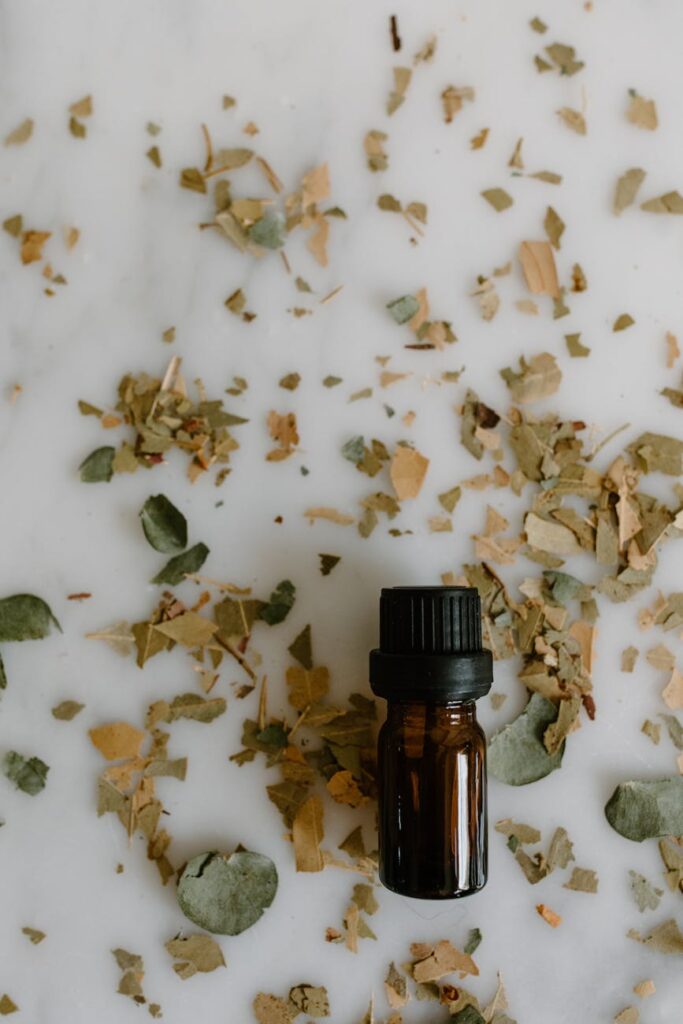
Aromatherapy Uses of Herbal Mood-Soothing Essential Oil Blends
Introduction
Aromatherapy, the practice of using essential oils for therapeutic benefits, has gained significant popularity in recent years. Among the myriad of essential oils available, herbal mood-soothing blends stand out for their ability to promote emotional well-being and alleviate stress. This article explores the essence of herbal mood-soothing essential oil blends, their key benefits, common applications, and safety considerations, aiming to provide a comprehensive understanding of their uses in aromatherapy.
What Is Herbal Mood-Soothing Essential Oil Blends?
Herbal mood-soothing essential oil blends are combinations of essential oils derived from herbal plants known for their calming and uplifting properties. These blends typically include oils extracted from flowers, leaves, stems, and roots of various herbs. Common ingredients may include lavender, chamomile, peppermint, and rosemary, among others. Each essential oil carries unique aromatic profiles and therapeutic properties, which can work synergistically when blended.
The formulation of these blends takes into account the balancing of scents and the therapeutic potential of each oil, creating a harmonious mix designed to soothe emotions, alleviate anxiety, and promote a sense of tranquility.
Key Benefits and Properties
Herbal mood-soothing essential oil blends offer a range of benefits that can contribute to emotional well-being:
1. Stress Relief: Many herbal essential oils have been shown to lower levels of stress hormones, helping individuals feel more relaxed and grounded.
2. Improved Mood: These blends can uplift spirits, countering feelings of sadness and anxiety. The aromatic compounds in essential oils can stimulate the limbic system, which plays a role in regulating emotions.
3. Enhanced Sleep Quality: Certain blends promote relaxation and help create an environment conducive to restful sleep, making them ideal for those struggling with insomnia or disrupted sleep patterns.
4. Cognitive Clarity: Some herbal essential oils are known to improve concentration and mental clarity, which can be beneficial during times of stress or emotional turbulence.
5. Emotional Balance: Regular use of mood-soothing blends can foster emotional resilience, helping individuals navigate life’s challenges with greater ease.
Common Uses
Herbal mood-soothing essential oil blends can be employed in various contexts:
1. Diffusion: Using an essential oil diffuser to disperse the aroma throughout a space can create a calming environment, ideal for relaxation or meditation.
2. Topical Application: When diluted with carrier oils, these blends can be applied to pulse points, such as the wrists or temples, for immediate aromatherapy benefits.
3. Bathing: Adding these oils to bathwater can enhance the bathing experience, promoting relaxation and stress relief.
4. Inhalation: Simply inhaling the aroma from the bottle or from a cotton ball can provide a quick mood boost.
5. Massage: Incorporating herbal essential oil blends into massage therapy can enhance relaxation and relieve muscle tension.
Aromatherapy Applications
There are numerous ways to incorporate herbal mood-soothing essential oil blends into daily life. Here are some popular methods:
1. Diffusion
Using an essential oil diffuser is one of the most effective ways to enjoy the benefits of herbal mood-soothing blends. Fill the diffuser with water and add a few drops of the chosen essential oil blend. This method allows the aroma to permeate the air, creating a tranquil atmosphere conducive to relaxation and mindfulness.
2. Inhalation
Inhalation is a straightforward application method that delivers instant effects. Simply open the bottle of essential oil blend and take a few deep breaths, or apply a drop to a cotton ball and inhale. This method is particularly useful in moments of stress or anxiety.
3. Topical Application
To use essential oil blends topically, always dilute them with a carrier oil such as jojoba, coconut, or almond oil. A typical dilution ratio is 2-3 drops of essential oil per teaspoon of carrier oil. Apply the mixture to pulse points or areas of tension, such as the neck or shoulders, to benefit from both the scent and the skin absorption.
4. Bathing
Adding herbal essential oil blends to a warm bath can create a relaxing and aromatic experience. To avoid skin irritation, mix the essential oil blend with a neutral carrier like milk or a bath oil before adding it to the water.
5. Pillow Sprays
Creating a pillow spray using herbal essential oil blends can enhance sleep quality. Combine distilled water with a few drops of the essential oil blend in a spray bottle, and lightly mist your pillow before bedtime.
Safety Considerations
While herbal mood-soothing essential oil blends are generally safe for most individuals, there are essential safety guidelines to follow:
1. Dilution: Always dilute essential oils with a carrier oil before applying them to the skin to minimize the risk of irritation.
2. Patch Testing: Conduct a patch test on a small area of skin to check for allergic reactions before widespread use.
3. Pregnancy and Nursing: Some essential oils may not be safe during pregnancy or breastfeeding. Consult with a healthcare provider before use in these situations.
4. Children and Pets: Certain essential oils may not be suitable for young children or pets. Research and ensure safety guidelines are followed for specific oils.
5. Storage: Store essential oils in a cool, dark place, away from direct sunlight, to maintain their potency and prevent degradation.
Storage and Shelf Life
Proper storage of herbal mood-soothing essential oil blends is crucial to preserving their efficacy. Essential oils should be kept in dark glass bottles to protect them from light and heat. The shelf life of essential oils varies depending on the type:
- Citrus oils (e.g., orange, lemon): 1-2 years
- Herbal oils (e.g., lavender, chamomile): 2-3 years
- Woody oils (e.g., cedarwood, sandalwood): 4-6 years
Always check for signs of spoilage, such as changes in aroma or consistency, and discard any oils that appear questionable.
Frequently Asked Questions
1. Can I create my own herbal mood-soothing blends?
Yes, experimenting with essential oils can be a rewarding experience. Start with a base oil and gradually add other oils until you achieve your desired scent. Always remember to dilute before use.
2. How often can I use herbal mood-soothing essential oil blends?
There is no strict rule regarding frequency. Listen to your body and use the oils as needed. However, be mindful of potential skin sensitivities, especially with topical applications.
3. Are there any essential oils to avoid?
Certain oils can be irritating or sensitizing for some individuals. Essential oils like cinnamon, clove, and oregano should be used with caution. Always research each oil’s properties before use.
4. Can I use these blends in a sauna or steam room?
While some individuals may enjoy the aromatic properties of essential oils in a sauna or steam room, it is important to ensure adequate ventilation. Avoid direct contact with heated surfaces and oils, as high temperatures can alter their properties.
5. Can I use herbal mood-soothing blends in food or beverages?
Most essential oils are not intended for ingestion, and doing so can pose health risks. Always consult with a qualified practitioner before considering any internal use of essential oils.
Conclusion
Herbal mood-soothing essential oil blends offer a natural and holistic approach to emotional well-being. By understanding their properties, applications, and safety considerations, individuals can effectively incorporate these aromatic blends into their daily lives. Whether through diffusion, topical application, or bathing, these essential oils can provide a pathway to relaxation, clarity, and emotional balance. Embracing the aromatic world of herbal essential oils can empower individuals to cultivate a greater sense of peace and well-being in their everyday lives.