
Aromatherapy Uses of Herbal Mood-Stabilizing Essential Oil Blends
Introduction
Aromatherapy, a practice that utilizes the natural properties of essential oils, has gained significant popularity for its potential to enhance emotional well-being. Among the various categories of essential oils, herbal mood-stabilizing blends are particularly noteworthy. These blends are crafted from plant extracts known for their calming, uplifting, and harmonizing effects on mood. This article explores the composition, benefits, applications, and safety considerations associated with herbal mood-stabilizing essential oil blends, providing a comprehensive overview for those interested in this holistic approach to emotional health.
What Is Herbal Mood-Stabilizing Essential Oil Blends?
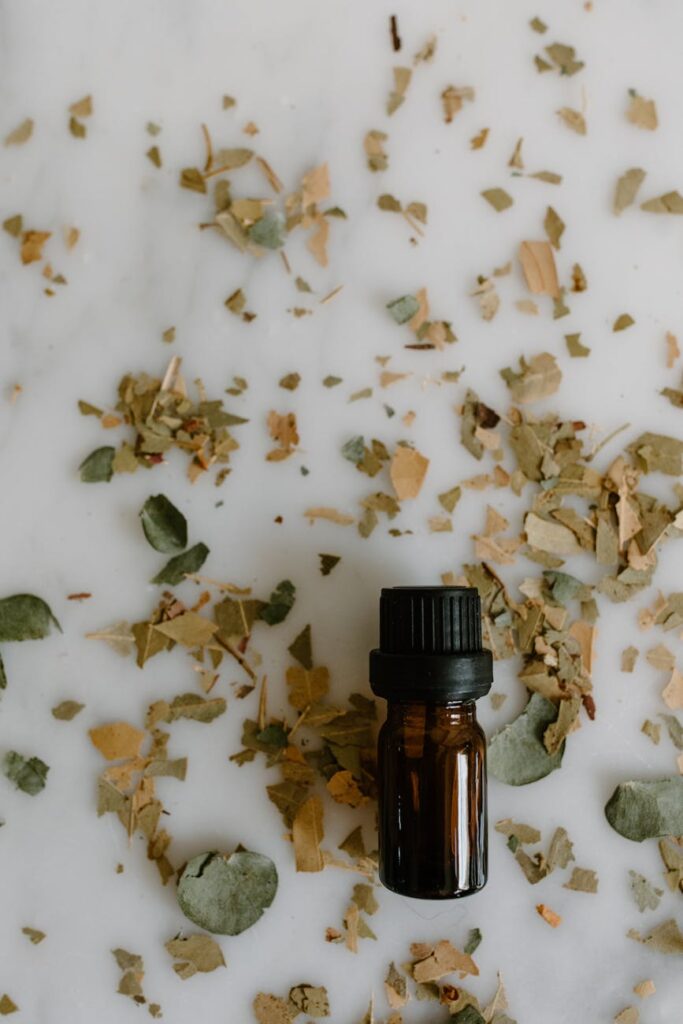
Herbal mood-stabilizing essential oil blends consist of various essential oils derived from aromatic plants, herbs, and flowers, specifically known for their ability to promote emotional balance and mental clarity. Common oils in these blends may include lavender, chamomile, bergamot, and ylang-ylang. Each oil contributes unique properties that, when combined, create a synergistic effect aimed at stabilizing mood and enhancing emotional resilience.
These blends may be tailored for specific emotional challenges, such as anxiety, stress, or mild depression, making them versatile tools in the realm of self-care and emotional support. The art of blending essential oils is as much about the chemistry of the plants as it is about the olfactory experience they provide.
Key Benefits and Properties
The benefits of herbal mood-stabilizing essential oil blends are multifaceted, largely due to the inherent properties of the constituent oils. Here are some key benefits:
1. Anxiolytic Effects: Many essential oils, such as lavender and chamomile, possess calming properties that can help reduce feelings of anxiety and stress.
2. Mood Enhancement: Oils like bergamot and sweet orange are known for their uplifting qualities, which may enhance mood and promote feelings of joy.
3. Emotional Balance: Blends that include grounding oils, such as vetiver and frankincense, can help stabilize emotions and cultivate a sense of inner peace.
4. Relaxation and Sleep Support: Certain oils, including marjoram and cedarwood, can promote relaxation and support restful sleep, which is vital for emotional well-being.
5. Cognitive Clarity: Some blends may enhance focus and mental clarity, aiding in emotional regulation and decision-making.
Common Uses
Herbal mood-stabilizing essential oil blends can be utilized in various settings and scenarios, including:
- Personal Aromatherapy: Diffusing essential oil blends in a personal space can create a calming atmosphere, making it suitable for home or office environments.
- Massage Therapy: These blends can be diluted in a carrier oil and used for massage, promoting relaxation and emotional release.
- Bathing Rituals: Adding essential oils to bathwater can create a soothing experience, allowing for deep relaxation and emotional cleansing.
- Inhalation: Direct inhalation from the bottle or using a personal inhaler can provide quick emotional relief during stressful situations.
- Skincare: Some blends can be incorporated into skincare products, offering both aromatic and skin benefits.
- Skin Sensitivity: Always perform a patch test when using a new essential oil blend. Apply a small amount to the inner wrist or elbow and wait 24 hours to check for any adverse reactions.
- Dilution: Essential oils are highly concentrated substances and should always be diluted before topical application to avoid skin irritation.
- Pregnancy and Nursing: Pregnant or nursing individuals should consult a healthcare professional before using essential oils, as some oils may not be safe during these times.
- Children and Pets: Certain essential oils can be harmful to children and pets. It is advisable to research specific oils and their safety for use around these populations.
- Interactions with Medications: If you are taking medications, consult a healthcare provider for potential interactions with essential oils.
- Storage Conditions: Essential oils should be stored in a cool, dark place, away from direct sunlight and heat sources. Ideal storage containers are dark glass bottles, as they help protect the oils from light degradation.
- Shelf Life: The shelf life of essential oils can vary widely depending on the oil and its chemical composition. Generally, citrus oils have a shorter shelf life (1-2 years), while oils like sandalwood and patchouli can last for 5 years or more. Always check for changes in scent or consistency, which may indicate spoilage.
Aromatherapy Applications
Aromatherapy applications using herbal mood-stabilizing essential oil blends can be categorized into various methods:
1. Diffusion
Using an essential oil diffuser is one of the most popular methods for dispersing essential oils into the air. This method allows for the even distribution of scents throughout a room, creating a calming environment. When diffusing, it is generally recommended to use about 5-10 drops of essential oil blend per 100 ml of water, adjusting based on personal preference and the size of the space.
2. Topical Application
Topical application involves applying diluted essential oil blends directly to the skin. It is advisable to mix essential oils with a carrier oil, such as jojoba or sweet almond oil, to prevent skin irritation. A typical dilution ratio is 2-3 drops of essential oil per teaspoon of carrier oil.
3. Inhalation
Inhalation can be done by placing a few drops of the essential oil blend onto a tissue or cotton ball and inhaling deeply. Alternatively, personal inhalers can be used for on-the-go aromatherapy.
4. Bathing
For a relaxing bath experience, add 5-10 drops of the essential oil blend to a warm bath. Mixing the oils with a dispersant, such as milk or Epsom salts, can help the oils disperse more evenly in water.
5. Aromatherapy Rollers
Creating a roller bottle with a blend of essential oils and a carrier oil allows for easy application. These can be kept in handbags or on nightstands for convenient use.
Safety Considerations
While herbal mood-stabilizing essential oil blends can be beneficial, it is essential to consider safety precautions:
Storage and Shelf Life
Proper storage of essential oils is crucial for maintaining their potency and effectiveness. Here are some guidelines:
Frequently Asked Questions
1. Can I create my own herbal mood-stabilizing blends?
Yes, blending your own essential oils can be a rewarding experience. It allows you to tailor the aroma and benefits to your personal preferences. Start with a base note (like vetiver), a middle note (like lavender), and a top note (like bergamot) for a balanced blend.
2. How often should I use herbal mood-stabilizing blends?
Usage frequency depends on personal preference and sensitivity. Many users find beneficial effects with daily use, while others may prefer to use them during specific times of stress or emotional turbulence.
3. Are there any contraindications for using essential oils?
Yes, certain essential oils may not be suitable for individuals with specific conditions, such as epilepsy or those taking certain medications. Always research the oils you plan to use and consult a healthcare professional if uncertain.
4. Can essential oils replace traditional therapies for emotional well-being?
Essential oils can complement traditional therapies but should not be considered a substitute for professional mental health care. They may enhance relaxation and emotional balance, but individual experiences will vary.
5. How do I know which essential oils to use for mood stabilization?
The choice of essential oils often depends on individual preferences and emotional needs. Researching the properties of various oils can help you find those that resonate with your emotional state and personal experiences.
Conclusion
Herbal mood-stabilizing essential oil blends offer a holistic approach to emotional well-being, harnessing the natural properties of aromatic plants to promote balance and tranquility. By understanding their benefits, applications, and safety considerations, individuals can effectively incorporate these blends into their self-care routines. Whether through diffusion, topical application, or personal inhalation, the potential of these essential oils to enhance emotional health is both profound and accessible, making them valuable tools for anyone seeking to navigate the complexities of mood and emotion.