
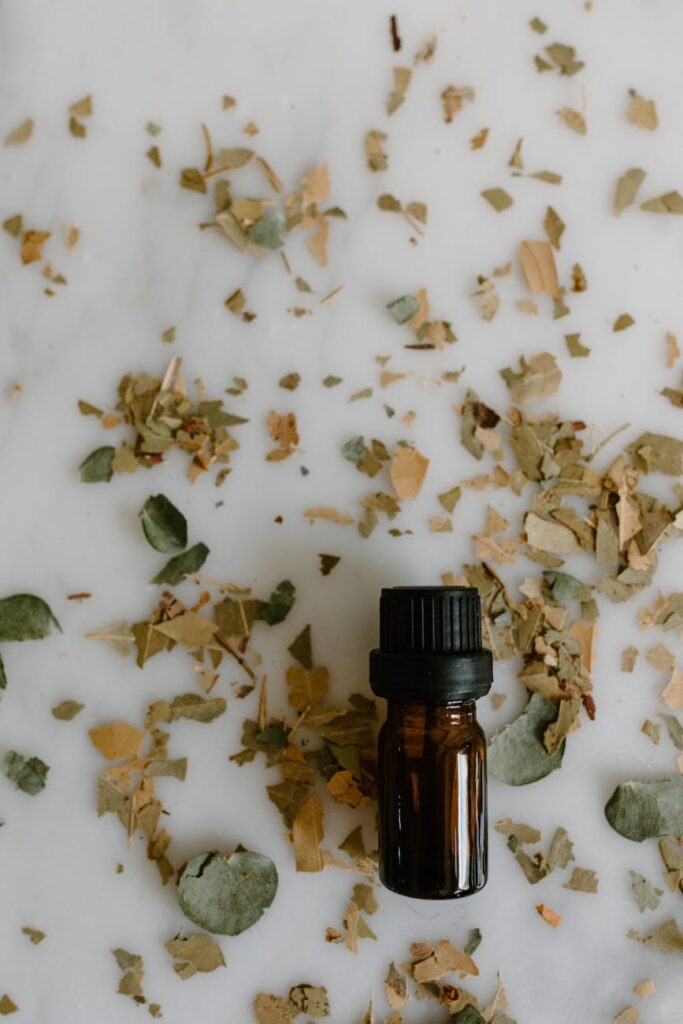
Aromatherapy Uses of Herbal Oils
Introduction
Aromatherapy, a holistic approach to wellness, utilizes the natural fragrances of essential oils derived from various plants. Among these, herbal oils—extracted from leaves, flowers, stems, and roots of herbs—play a significant role in promoting physical and emotional well-being. This article delves into the world of herbal oils, exploring their definitions, benefits, common uses, and safety considerations, while offering insights into their applications in aromatherapy.
What Are Herbal Oils?
Herbal oils are concentrated extracts obtained from aromatic plants, known as herbs. These oils are typically extracted through methods such as steam distillation, cold pressing, or solvent extraction. Unlike synthetic fragrances, herbal oils maintain the natural chemical composition of the plant, which contributes to their distinct aromas and therapeutic properties.
Common examples of herbal oils include:
- Peppermint Oil: Extracted from the leaves of the peppermint plant, known for its refreshing scent.
- Basil Oil: Derived from the leaves of the basil plant, offering a sweet and spicy aroma.
- Rosemary Oil: Obtained from the leaves and flowering tops of the rosemary plant, characterized by its woody scent.
- Thyme Oil: Extracted from the leaves of the thyme plant, recognized for its earthy aroma.
- Antimicrobial: Some herbal oils exhibit natural antimicrobial properties, which may help inhibit the growth of certain bacteria and fungi.
- Anti-inflammatory: Certain oils, such as chamomile and lavender, are known for their potential anti-inflammatory effects, which may help soothe irritated skin and relieve tension.
- Relaxation and Stress Relief: Many herbal oils, including lavender and bergamot, are recognized for their calming effects, promoting relaxation and reducing stress.
- Digestive Support: Oils like peppermint and ginger are often associated with digestive benefits, potentially aiding in discomfort relief.
- Diffusion: Adding a few drops of herbal oil to a diffuser can create a pleasant and therapeutic atmosphere in homes and workplaces.
- Massage: Blending herbal oils with a carrier oil allows for soothing massages that may enhance relaxation and ease muscle tension.
- Bathing: Adding herbal oils to bathwater can transform an ordinary bath into a spa-like experience, promoting relaxation and rejuvenation.
- Skincare: Many herbal oils are used in skincare regimens for their potential benefits, helping to hydrate, soothe, or balance the skin.
- Household Cleaning: Certain herbal oils, such as tea tree and lemon, can be incorporated into homemade cleaning solutions due to their antimicrobial properties.
- Dilution: Most herbal oils are highly concentrated and should be diluted with a carrier oil (such as coconut or jojoba oil) before topical application. A general guideline is to use 1-2 drops of essential oil per teaspoon of carrier oil.
- Patch Test: Conducting a patch test on a small area of skin can help identify any potential sensitivities or allergic reactions before broader application.
- Avoiding Ingestion: Many herbal oils are not intended for internal use without the guidance of a qualified professional. Always consult a knowledgeable expert before considering ingestion.
- Pregnancy and Children: Some herbal oils may not be safe for pregnant individuals or young children. It is advisable to seek advice from a healthcare professional.
- Storage: Proper storage can prolong the shelf life and potency of herbal oils. Ensure they are kept in a cool, dark place, away from direct sunlight.
- Container: Store oils in dark glass bottles to protect them from light degradation.
- Temperature: Keep oils in a cool environment, ideally at temperatures between 60°F and 75°F (15°C – 24°C).
- Seal: Ensure that bottles are tightly sealed after use to prevent oxidation.
These oils contain a complex blend of volatile compounds that contribute to their unique scents and therapeutic benefits.
Key Benefits and Properties
Herbal oils are celebrated not only for their aromatic qualities but also for their potential benefits. While individual responses may vary, many herbal oils are associated with the following properties:
It is important to note that the effects of herbal oils can vary based on individual preferences and sensitivities.
Common Uses
Herbal oils have a wide range of applications, both in aromatherapy and practical daily use. Here are some common uses:
Aromatherapy Applications
Aromatherapy harnesses the power of herbal oils to promote emotional and physical well-being. Here are some popular applications:
1. Stress Relief and Relaxation
Herbal oils such as lavender, chamomile, and bergamot are often employed for their calming effects. When diffused or inhaled, these oils can create an atmosphere of tranquility, helping to reduce anxiety and promote restful sleep.
2. Energy and Focus
Peppermint and rosemary oils are commonly used to invigorate the mind and enhance focus. Inhaling their refreshing scents may help alleviate mental fatigue and increase alertness, making them ideal for study sessions or work environments.
3. Mood Enhancement
Citrus oils like lemon and sweet orange are frequently utilized for their uplifting properties. These oils can help create a cheerful environment, potentially alleviating feelings of sadness or stress.
4. Respiratory Support
Herbal oils such as eucalyptus and tea tree are believed to support respiratory health. Inhalation of these oils may help clear congestion and promote easier breathing, particularly during seasonal changes.
5. Skin Care
Herbal oils like tea tree and lavender are often incorporated into skincare routines for their potential benefits in soothing irritation and promoting a clear complexion. When blended with a carrier oil, they can be applied topically to targeted areas.
Safety Considerations
While herbal oils can offer various benefits, it is crucial to consider safety precautions:
Storage and Shelf Life
The shelf life of herbal oils can vary depending on the type of oil and storage conditions. Generally, when stored properly, most herbal oils can last from one to three years. Here are some storage tips:
Regularly check for changes in color, scent, or viscosity, as these may indicate that an oil has gone rancid.
Frequently Asked Questions
1. Can I use herbal oils directly on my skin?
Direct application of herbal oils is not recommended due to their concentrated nature. Always dilute with a carrier oil before topical use.
2. Are all herbal oils safe for children?
Not all herbal oils are suitable for children. Consult a healthcare professional for guidance on safe oils and appropriate dilutions.
3. How do I choose the right herbal oil for my needs?
Choosing the right herbal oil depends on your specific needs and preferences. Consider the desired effect—whether it’s relaxation, invigoration, or skincare—and select an oil accordingly.
4. Can I mix different herbal oils?
Yes, many herbal oils can be blended to create unique aromas and synergistic effects. Conduct a patch test when mixing oils to ensure compatibility with your skin.
5. What is the difference between essential oils and herbal oils?
While the terms are often used interchangeably, essential oils refer specifically to the concentrated extracts obtained from plants, whereas herbal oils can include a broader range of plant-based oils, including infused oils.
Conclusion
Herbal oils are a vital component of aromatherapy, offering a diverse array of benefits and applications. By understanding their properties, uses, and safety considerations, individuals can harness the therapeutic potential of these natural extracts to enhance their well-being. As with any holistic approach, it is essential to approach herbal oils with knowledge and caution, ensuring a safe and enriching experience.