
Aromatherapy Uses of Herbal Pain Relief Essential Oil Blends
Introduction
Aromatherapy, the practice of utilizing aromatic plant extracts for therapeutic benefits, has gained recognition worldwide for its holistic approach to wellness. Essential oil blends, particularly those formulated for pain relief, are becoming increasingly popular among individuals seeking natural alternatives to manage discomfort. This article delves into the essence of herbal pain relief essential oil blends, exploring their benefits, applications, and safety considerations.
What Is Herbal Pain Relief Essential Oil Blends?
Herbal pain relief essential oil blends are combinations of various essential oils derived from plants known for their analgesic (pain-relieving) properties. These blends may include oils from herbs such as peppermint, lavender, eucalyptus, and chamomile, among others. Each oil contributes unique characteristics, creating a synergistic effect that enhances the overall efficacy of the blend.
The formulation of these blends often takes into account the specific properties of each oil, including their chemical composition, scent profile, and therapeutic benefits. By combining these oils, practitioners aim to create a harmonious blend that can address a variety of discomforts, whether they are physical, emotional, or a combination of both.
Key Benefits and Properties
Herbal pain relief essential oil blends are valued for several key benefits:
1. Analgesic Properties
Many essential oils possess natural analgesic properties that help alleviate pain. For example, peppermint oil contains menthol, which can create a cooling sensation that may reduce feelings of discomfort.
2. Anti-inflammatory Effects
Certain oils, such as ginger and turmeric, are known for their anti-inflammatory properties. When blended, they can help reduce inflammation and swelling, contributing to a decrease in pain.
3. Relaxation and Stress Relief
Pain can often be exacerbated by stress and tension. Oils like lavender and chamomile are renowned for their calming effects, promoting relaxation and potentially easing pain associated with muscle tension.
4. Improved Circulation
Some essential oils, such as rosemary and black pepper, are believed to improve circulation. Enhanced blood flow can promote healing and reduce pain in affected areas.
5. Enhanced Mood
The aromatic properties of essential oils can positively influence mood and emotional well-being. A pleasant scent can uplift spirits, potentially lessening the perception of pain.
Common Uses
Herbal pain relief essential oil blends can be utilized in various contexts, making them versatile tools for personal care. Common uses include:
1. Topical Application
Many individuals apply diluted essential oil blends directly to the skin for localized pain relief. Common areas include sore muscles, joints, and areas of tension.
2. Aromatherapy Diffusion
Diffusing essential oil blends in the air can create a calming environment, enhancing relaxation and promoting emotional well-being. This method is particularly useful for stress-related discomfort.
3. Bath Soaks
Adding essential oil blends to bathwater can create a soothing experience, promoting relaxation while alleviating physical discomfort.
4. Massage Therapy
Massage with herbal pain relief essential oil blends can enhance the benefits of touch, providing both physical and emotional relief.
5. Inhalation
Inhaling the aroma of essential oil blends can stimulate the olfactory system and may help with pain management, especially when related to stress and anxiety.
Aromatherapy Applications
The application of herbal pain relief essential oil blends can vary based on individual preferences and specific needs. Below are some common methods of application:
1. Dilution for Topical Use
Essential oils should be diluted before applying to the skin. Carrier oils, such as coconut or jojoba oil, are often used to dilute essential oils, making them safe for topical application. A general guideline is to use a 2-3% dilution, which equates to about 10-15 drops of essential oil per ounce of carrier oil.
2. Diffusion
Essential oils can be diffused using a variety of devices, including electric diffusers, candle diffusers, or simply by placing a few drops on a cotton ball or tissue. This method disperses the aroma throughout the space, providing an ambient and therapeutic atmosphere.
3. Baths
For a relaxing soak, add a few drops of essential oil blend to a warm bath. To enhance dispersion and prevent the oils from floating on the surface, consider mixing the oils with an emulsifier like milk or Epsom salts.
4. Inhalation Techniques
Inhalation can be performed by placing a few drops of essential oil blend on a tissue or cotton ball and inhaling deeply. Alternatively, one can use a personal inhaler designed for essential oils.
5. Compresses
For localized pain relief, a warm or cold compress can be made by adding a few drops of the essential oil blend to a bowl of water, soaking a cloth in the solution, and applying it to the affected area.
Safety Considerations
While herbal pain relief essential oil blends are generally regarded as safe when used correctly, there are essential safety considerations to keep in mind:
1. Skin Sensitivity
Some individuals may experience skin sensitivity or allergic reactions to certain essential oils. A patch test is recommended before widespread use.
2. Dilution
Always dilute essential oils before topical application to prevent skin irritation. Avoid using undiluted oils directly on the skin.
3. Pregnant or Nursing Women
Certain essential oils may not be suitable for pregnant or nursing women. It’s essential to research the safety of individual oils during these times.
4. Pre-existing Conditions
Individuals with certain health conditions or those taking medications should consult with a qualified practitioner before using essential oils to avoid potential interactions.
5. Children and Pets
Be cautious when using essential oils around children and pets, as some oils are not safe for them. Always conduct thorough research on the safety of specific oils for these vulnerable groups.
Storage and Shelf Life
Proper storage is crucial for maintaining the quality and potency of essential oil blends. Here are some tips for storage:
1. Dark Glass Containers
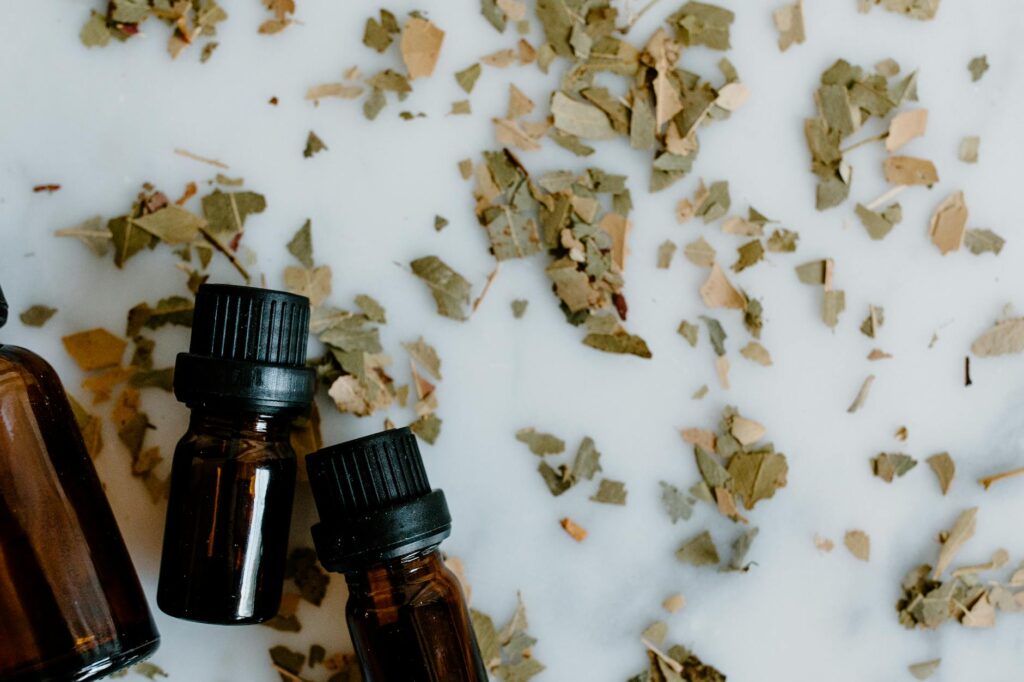
Store essential oils in dark glass bottles to protect them from light, which can degrade the oils over time.
2. Cool, Dry Place
Keep essential oils in a cool, dry place away from direct sunlight and heat sources. Excessive heat can alter the composition and efficacy of the oils.
3. Tightly Sealed
Ensure that bottles are tightly sealed when not in use to prevent oxidation and evaporation.
4. Shelf Life
The shelf life of essential oils can vary, but most oils last between one to three years when stored properly. Check for any changes in scent, color, or consistency, which may indicate that the oil has degraded.
Frequently Asked Questions
1. Can I use herbal pain relief essential oil blends for chronic pain?
While some individuals use these blends for chronic pain management, it’s essential to explore various complementary approaches and consult with a qualified practitioner for personalized guidance.
2. How often can I apply essential oil blends for pain relief?
The frequency of application can vary based on individual needs. Many individuals find relief with applications every few hours, but it is advisable to follow guidelines and pay attention to how your body responds.
3. Are there any essential oils to avoid?
Certain essential oils may not be suitable for everyone. For example, wintergreen oil may interact with blood thinners, and some oils may be contraindicated during pregnancy. Always research the specific oils you plan to use.
4. Can I create my own blends?
Yes, many individuals enjoy creating their own essential oil blends. However, it is crucial to research the properties and safety of each oil to ensure a balanced and effective blend.
5. What if I have an adverse reaction?
If you experience any adverse reactions, discontinue use immediately and consult with a healthcare professional if necessary.
In conclusion, herbal pain relief essential oil blends offer a holistic approach to managing discomfort, promoting relaxation, and enhancing emotional well-being. By understanding their benefits, applications, and safety considerations, individuals can explore the potential of these natural remedies in their wellness journey.