
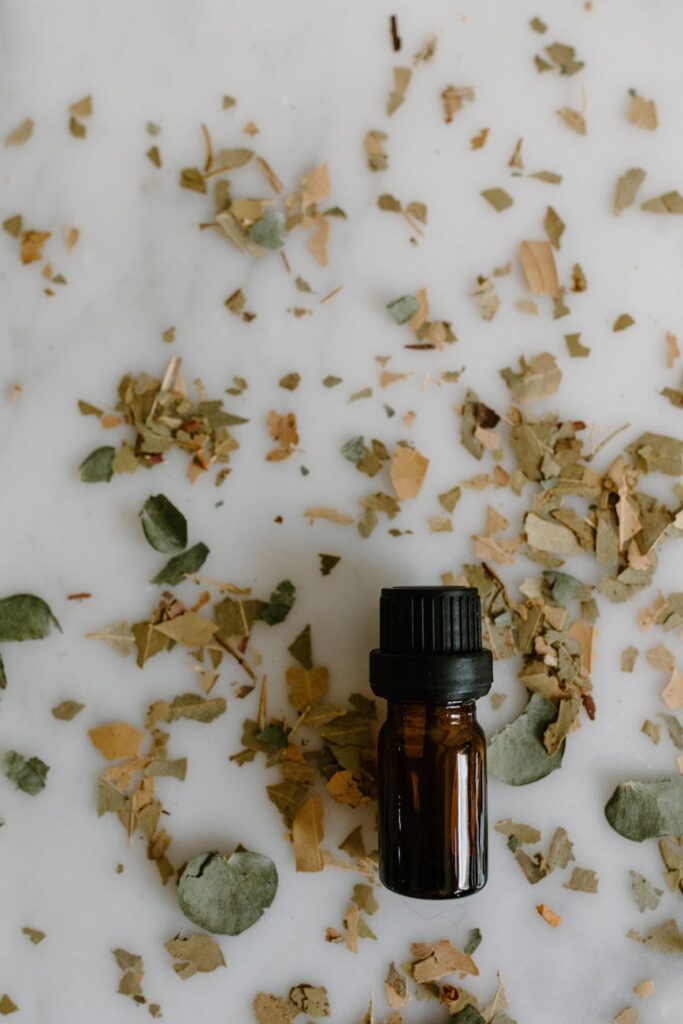
Aromatherapy Uses of Herbal Poultices
Introduction
Aromatherapy, the therapeutic use of essential oils, has gained immense popularity in recent years for its potential benefits in promoting well-being and relaxation. Among the various applications of aromatherapy, herbal poultices stand out as a traditional and effective method for delivering the healing properties of herbs and essential oils directly to the skin. This article explores the concept of herbal poultices, their benefits, common uses, and their integration into aromatherapy practices.
What Is Herbal Poultices?
A herbal poultice is a preparation made from fresh or dried herbs that are mashed or blended to create a moist, thick paste. This paste is then applied to the skin, typically wrapped in a cloth, to allow the beneficial compounds in the herbs to penetrate through the skin. The application method may vary, but it generally involves warm or hot poultices, which can help relax muscles, increase circulation, and promote a sense of well-being.
Herbal poultices have been used across various cultures for centuries. They are often made from a combination of herbs known for their therapeutic properties, allowing the practitioner to tailor the poultice to the specific needs of the individual.
Key Benefits and Properties
Herbal poultices are renowned for their numerous benefits, which can be attributed to the properties of the herbs used. Some key benefits include:
1. Pain Relief: Many herbs possess analgesic properties, which can provide relief from muscle and joint pain.
2. Anti-Inflammatory Effects: Certain herbs are known for their ability to reduce inflammation, which can be beneficial for conditions such as arthritis or localized swelling.
3. Improved Circulation: The warmth from the poultice can enhance blood flow to the affected area, promoting healing and reducing stiffness.
4. Detoxification: Some herbs are believed to assist in the detoxification process, helping to draw out impurities from the skin.
5. Relaxation and Stress Relief: The aromatic properties of the herbs can also contribute to a calming effect, making herbal poultices a soothing addition to relaxation practices.
Common Uses
Herbal poultices have various applications depending on the herbs used and the intended effect. Some common uses include:
- Muscle Strains and Sprains: Poultices made from herbs such as arnica or comfrey can help alleviate pain and promote healing of strained muscles.
- Skin Conditions: Herbs like chamomile and calendula are often used in poultices for their soothing and anti-inflammatory properties, which can be helpful for conditions such as eczema or minor burns.
- Respiratory Issues: Applying a poultice with eucalyptus or peppermint may aid in alleviating symptoms of congestion and respiratory discomfort.
- Digestive Ailments: Certain herbs, when applied as a poultice to the abdomen, may support digestive health and alleviate discomfort.
- Stress and Tension Relief: A soothing poultice made from calming herbs like lavender or lemon balm can be used on the forehead or shoulders to relieve tension and promote relaxation.
Aromatherapy Applications
The integration of essential oils into herbal poultices enhances their therapeutic effects. Essential oils possess strong aromatic properties, and when combined with the physical benefits of herbal poultices, they create a powerful tool for promoting wellness. Here are some ways to incorporate aromatherapy into herbal poultices:
1. Choosing Essential Oils: Select essential oils that complement the herbs in your poultice. For example, combining chamomile essential oil with a chamomile poultice can amplify its calming effects.
2. Dilution: Essential oils should be diluted before use. A common ratio is to mix a few drops of essential oil with a carrier oil (such as coconut or olive oil) before adding it to the herbal mixture.
3. Application Techniques: When applying the poultice, ensure the essential oils are evenly distributed throughout the herbal paste to ensure consistent therapeutic effects.
4. Aromatic Experience: The aroma of the essential oils can enhance the sensory experience, promoting relaxation and emotional well-being. Consider using oils known for their uplifting or calming effects, depending on your needs.
Safety Considerations
While herbal poultices can be beneficial, it is essential to exercise caution to ensure safety:
1. Skin Sensitivity: Conduct a patch test before applying any herbal poultice, especially if it contains essential oils. This helps to identify any potential allergic reactions.
2. Avoid Open Wounds: Do not apply poultices to open wounds or broken skin, as this can increase the risk of infection.
3. Pregnancy and Medical Conditions: Pregnant individuals or those with specific medical conditions should consult a qualified healthcare provider before using herbal poultices.
4. Temperature Control: Ensure the poultice is not too hot when applied to the skin to prevent burns or discomfort.
5. Herb Quality: Use high-quality herbs from reputable sources to ensure safety and efficacy. Herbs should be free from contaminants and pesticides.
Storage and Shelf Life
Proper storage of herbal poultices is crucial to maintain their potency and effectiveness:
1. Fresh Poultices: Ideally, herbal poultices should be made fresh and used immediately. If not used right away, they can be stored in a sealed container in the refrigerator for up to 24 hours.
2. Dry Herbs: When using dried herbs, store them in a cool, dark place in airtight containers to preserve their properties. Dried herbs can last for several months to a year, depending on the herb.
3. Essential Oils: Store essential oils in dark glass bottles in a cool area, avoiding direct sunlight. Properly stored essential oils can last for several years.
Frequently Asked Questions
1. Can I use any herbs for poultices?
Not all herbs are suitable for poultices. It is essential to choose herbs that are known for their therapeutic properties and are safe for topical application.
2. How do I make a herbal poultice?
To make a herbal poultice, mash or blend fresh or dried herbs with a small amount of water or carrier oil until you achieve a thick paste. Apply this paste to a clean cloth or directly to the skin, securing it in place.
3. How often can I use herbal poultices?
The frequency of use can vary depending on individual needs and the herbs used. Generally, poultices can be applied several times a day as needed, but it’s best to listen to your body and consult with a knowledgeable practitioner for guidance.
4. Can children use herbal poultices?
While herbal poultices can be beneficial for children, it is crucial to use herbs that are safe for their age group and to consult with a healthcare provider for appropriate recommendations.
5. Are there any specific herbs to avoid in poultices?
Certain herbs may be too strong or irritating for the skin, such as those that are highly astringent or potent in nature. Avoid using herbs known for causing skin reactions without proper guidance.
Conclusion
Herbal poultices serve as a valuable tool within the realm of aromatherapy, combining the benefits of traditional herbal medicine with the soothing qualities of essential oils. With a rich history and a wide range of applications, herbal poultices can enhance physical and emotional well-being when used thoughtfully and safely. As with any natural remedy, it is essential to approach their use with knowledge and care, ensuring a holistic and beneficial experience.