
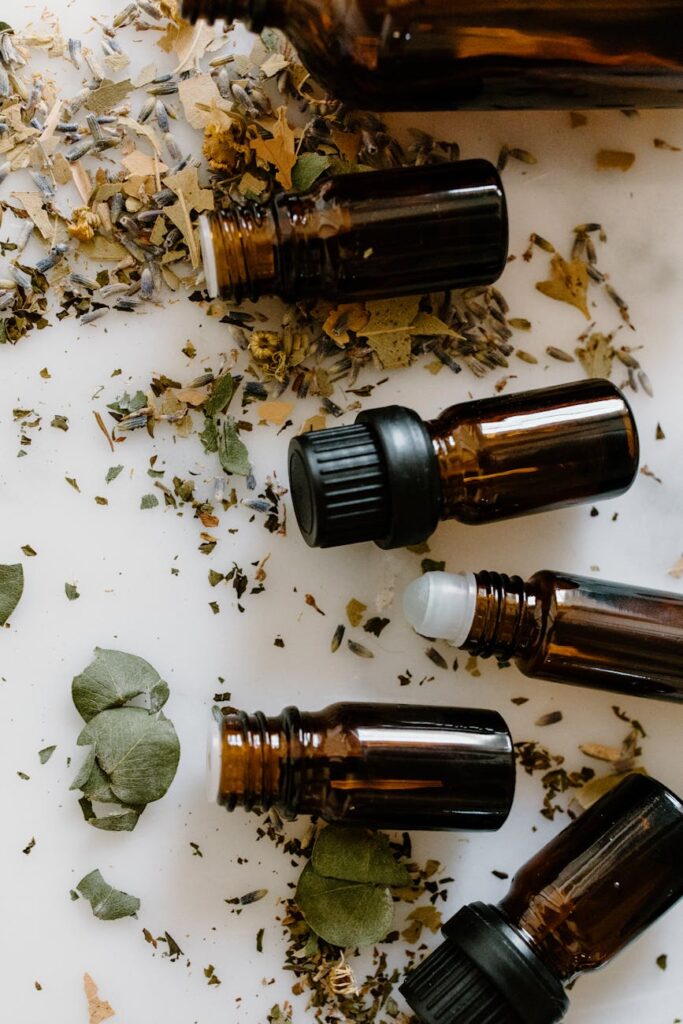
Aromatherapy Uses of Herbal Relaxation Aromatherapy Blends
Introduction
Aromatherapy, the practice of using natural plant extracts to promote physical and psychological well-being, has gained popularity over the years as a holistic approach to health. Among the various applications of aromatherapy, herbal relaxation blends stand out for their ability to induce calmness and tranquility. This article explores the intricacies of herbal relaxation aromatherapy blends, including their composition, benefits, common uses, applications, safety considerations, and more.
What Is Herbal Relaxation Aromatherapy Blends?
Herbal relaxation aromatherapy blends consist of essential oils derived from various herbs known for their soothing properties. These blends typically combine oils that are recognized for their calming effects on the mind and body. Common ingredients may include lavender, chamomile, bergamot, and ylang-ylang, among others. The precise combination of these oils can create a synergistic effect, enhancing their individual properties and promoting relaxation.
The practice of blending essential oils is an art that requires an understanding of the characteristics and therapeutic properties of each oil. Herbal relaxation blends can be formulated for specific purposes, such as alleviating stress, reducing anxiety, or promoting better sleep.
Key Benefits and Properties
Herbal relaxation aromatherapy blends offer a plethora of benefits, both psychological and physiological. Some of the key properties include:
1. Calming Effects: Many of the herbs used in these blends possess calming qualities that can help ease stress and anxiety.
2. Mood Enhancement: Uplifting aromas can help improve mood and combat feelings of sadness or irritability.
3. Sleep Aid: Certain herbs are known to promote better sleep quality, making them ideal for individuals struggling with insomnia.
4. Muscle Relaxation: Some essential oils can alleviate muscle tension, contributing to an overall feeling of relaxation.
5. Support for Mental Clarity: While promoting relaxation, some blends can also aid in mental clarity, enabling a balanced state of mind.
6. Holistic Well-Being: The use of herbal blends is often part of a broader wellness strategy, encompassing physical, emotional, and spiritual health.
Common Uses
Herbal relaxation aromatherapy blends can be utilized in various settings and for multiple purposes. Here are some common applications:
1. Stress Relief: In moments of high stress, inhaling a calming blend can provide immediate relief and a sense of grounding.
2. Meditation: Many practitioners use these blends during meditation to create a serene atmosphere, fostering deeper focus and relaxation.
3. Sleep Rituals: Incorporating these blends into bedtime routines can promote restful sleep, making them a popular choice for those experiencing insomnia.
4. Massage Therapy: Essential oils can be diluted and used in massages, enhancing relaxation and relieving muscle tension.
5. Bathing: Adding a few drops of a relaxation blend to a warm bath can create a tranquil environment, perfect for unwinding after a long day.
6. Diffusion: Using a diffuser to disperse the aroma of herbal blends throughout a room can create an inviting and calming atmosphere.
Aromatherapy Applications
The application of herbal relaxation aromatherapy blends can be achieved through various methods. Here are some popular techniques:
1. Inhalation
Inhalation is one of the simplest and most effective methods for delivering the benefits of essential oils. This can be done by:
- Direct Inhalation: Placing a few drops of the blend on a cotton ball or tissue and inhaling the aroma.
- Diffusion: Using an ultrasonic diffuser to disperse the essential oils into the air, allowing for prolonged exposure to the scent.
- Pulse Points: Applying to areas such as wrists, behind the ears, or the temples for a calming effect.
- Massage: Using the blend in massage oil can enhance relaxation and relieve tension.
- Skin Sensitivity: Always conduct a patch test before applying essential oils to the skin, especially for individuals with sensitive skin.
- Dilution: Essential oils should be diluted before topical application to reduce the risk of irritation.
- Pregnancy and Nursing: Pregnant or nursing women should consult a healthcare professional before using essential oils, as some may not be safe during these periods.
- Allergies: Individuals with allergies or respiratory conditions should use caution and consult a healthcare provider if unsure about specific oils.
- Children and Pets: Certain essential oils can be harmful to children and pets. Always check the safety of individual oils before use in a household with young children or animals.
- Container: Store essential oils in dark glass bottles to protect them from light, which can degrade their quality over time.
- Temperature: Keep oils in a cool, dry place away from direct sunlight and heat sources.
- Shelf Life: The shelf life of essential oils varies; most can last for 1-3 years if stored correctly. However, citrus oils may have a shorter shelf life due to their composition.
2. Topical Application
Topical application involves applying diluted essential oils to the skin. It is essential to dilute essential oils with a carrier oil (such as coconut or jojoba oil) to prevent skin irritation. Common areas for application include:
3. Bathing
Adding herbal relaxation blends to a warm bath can create a spa-like experience. It’s best to mix the essential oils with a dispersant, such as Epsom salt or a carrier oil, before adding them to water to ensure even distribution.
4. Pillow Sprays
Creating a pillow spray with herbal relaxation blends can promote restful sleep. Mix essential oils with distilled water in a spray bottle and lightly mist onto pillows or bedding.
Safety Considerations
While herbal relaxation aromatherapy blends are generally safe for use, it is important to exercise caution:
Storage and Shelf Life
Proper storage of herbal relaxation aromatherapy blends is crucial for maintaining their quality and effectiveness. Here are some guidelines:
Frequently Asked Questions
1. Can I create my own herbal relaxation blends?
Yes, creating your own blends can be a rewarding experience. Start with a few essential oils known for their calming properties and experiment with different ratios to find a blend that resonates with you.
2. How do I know which essential oils to use for relaxation?
Research the properties of various essential oils and select those that are known for their calming effects. Common choices include lavender, chamomile, and bergamot.
3. Is it safe to use essential oils around pets?
Some essential oils can be harmful to pets. Always research the safety of specific oils before using them in a household with animals.
4. How often can I use herbal relaxation blends?
There is no set limit on how often you can use these blends, but moderation is key. Listening to your body and observing how you respond is essential.
5. Can herbal relaxation aromatherapy blends replace traditional medicine?
While herbal relaxation blends can be a valuable addition to a wellness routine, they should not be considered a replacement for traditional medical treatment. Always consult a healthcare professional for any medical concerns.
Conclusion
Herbal relaxation aromatherapy blends represent a harmonious blend of nature and holistic well-being. By understanding their properties, applications, and safety considerations, individuals can harness the calming benefits of these essential oils. As you explore the world of aromatherapy, remember that the journey is personal, and finding the right blend can lead to a more tranquil and balanced life.