
Aromatherapy Uses of Herbal Remedies
Introduction
Aromatherapy, a holistic healing practice that utilizes essential oils derived from plants, has gained popularity for its potential benefits in enhancing well-being. At the heart of this practice are herbal remedies, which have been utilized for centuries across various cultures to promote health and wellness. This article explores the uses of herbal remedies in aromatherapy, highlighting their benefits, applications, and safety considerations.
What Are Herbal Remedies?
Herbal remedies refer to the use of plant materials—such as leaves, flowers, seeds, and roots—for therapeutic purposes. These natural substances can be processed into various forms, including teas, tinctures, capsules, and essential oils. In the context of aromatherapy, essential oils are the concentrated extracts of plants, capturing their fragrance and beneficial properties.
Herbal remedies have a long-standing history in traditional medicine systems, including Traditional Chinese Medicine, Ayurveda, and Native American healing practices. Their use in aromatherapy integrates these historical traditions with modern therapeutic approaches, offering a natural means to support emotional and physical well-being.
Key Benefits and Properties
Herbal remedies possess a wide range of benefits and properties that can be harnessed through aromatherapy. Some notable aspects include:
1. Emotional Support: Many essential oils derived from herbs can influence mood and emotional state. For example, lavender is often associated with calming properties, while peppermint may invigorate and uplift.
2. Physical Relief: Certain herbal oils are believed to help alleviate physical discomfort. For instance, eucalyptus may assist with respiratory issues, and ginger is often cited for its warming effects.
3. Antimicrobial Properties: Many herbs have natural antimicrobial qualities, making their essential oils useful for purifying the air and surfaces. Tea tree oil is widely recognized for its antibacterial and antifungal properties.
4. Stress Reduction: Aromatherapy with herbal oils can promote relaxation and reduce stress. Oils such as chamomile and bergamot are frequently employed to encourage a sense of calm.
5. Enhanced Focus: Some herbal oils can aid concentration and mental clarity, making them beneficial for study or work environments. Rosemary and lemon balm are often cited for their cognitive-enhancing potential.
Common Uses
Herbal remedies in aromatherapy can be applied in various contexts, including:
1. Diffusion: Essential oils can be diffused in the air using an essential oil diffuser, filling a space with pleasant aromas that may promote relaxation or invigoration.
2. Topical Application: When diluted with carrier oils, herbal essential oils can be applied to the skin. This method is commonly used for massage, skincare, and localized relief.
3. Baths: Adding essential oils to bathwater can create a soothing experience. Oils like lavender and ylang-ylang are often favored for their relaxing properties.
4. Inhalation: Direct inhalation of essential oils, such as through steam inhalation or simply smelling the oil from the bottle, can provide immediate aromatic benefits.
5. Household Cleaning: Certain herbal oils have natural cleaning properties and can be added to homemade cleaning solutions for their pleasant scents and antimicrobial effects.
Aromatherapy Applications
The application of herbal remedies in aromatherapy can be tailored to individual needs and preferences. Below are some common essential oils derived from herbs and their popular applications:
1. Lavender (Lavandula angustifolia): Known for its calming effects, lavender is often used to alleviate stress and promote sleep. It can be diffused, added to baths, or used in massage oils.
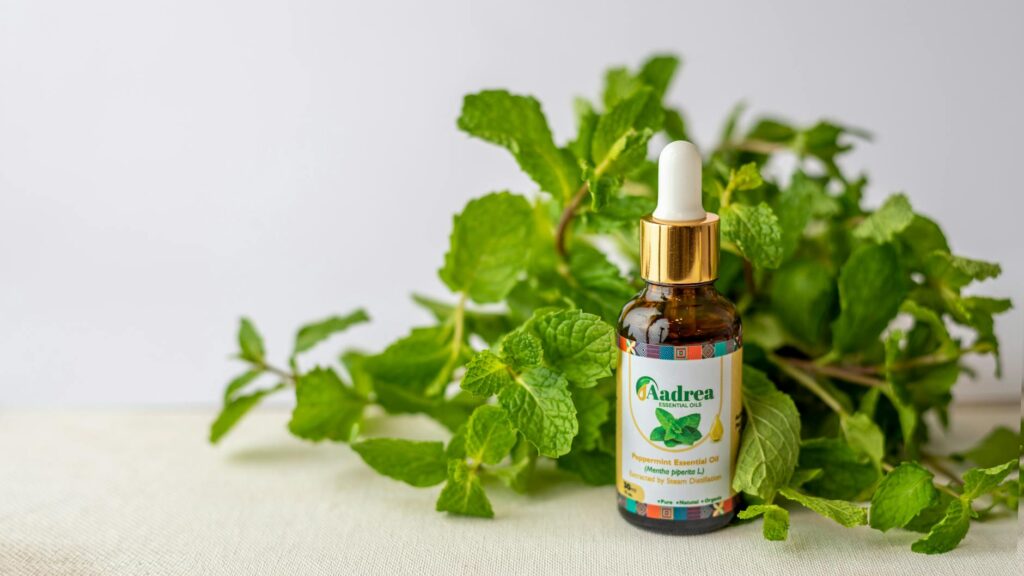
2. Peppermint (Mentha piperita): This invigorating oil may help with mental clarity and focus. It can be inhaled for a refreshing boost or diluted for topical use to relieve tension headaches.
3. Eucalyptus (Eucalyptus globulus): Frequently used for respiratory support, eucalyptus oil can be inhaled or added to steam inhalation sessions. It is also effective in homemade cleaning products.
4. Tea Tree (Melaleuca alternifolia): Renowned for its antiseptic properties, tea tree oil can be used in skincare formulations and diffused to purify the air.
5. Chamomile (Matricaria chamomilla): Often associated with relaxation, chamomile oil can be used in massage oils and baths to promote restful sleep.
6. Rosemary (Rosmarinus officinalis): Known for its cognitive benefits, rosemary oil is often used to enhance memory and concentration. It can be diffused during study sessions or added to hair care products.
Safety Considerations
While herbal remedies can offer numerous benefits, it is essential to practice safety when using essential oils in aromatherapy:
1. Dilution: Always dilute essential oils with a carrier oil (such as jojoba, coconut, or almond oil) before applying to the skin to reduce the risk of irritation.
2. Patch Testing: Conduct a patch test on a small area of skin to check for allergic reactions before using a new essential oil more widely.
3. Pregnancy and Nursing: Certain essential oils may not be safe for use during pregnancy or breastfeeding. It is advisable to consult with a qualified professional for guidance.
4. Children and Pets: Some oils may be harmful to children and pets. Ensure that any essential oils used in the home are safe for all inhabitants.
5. Quality: Choose high-quality essential oils from reputable sources to ensure purity and efficacy. Look for oils labeled as 100% pure and free from synthetic additives.
Storage and Shelf Life
Proper storage of essential oils is crucial for maintaining their potency and effectiveness. Here are some key points to consider:
1. Cool, Dark Place: Store essential oils in a cool, dark area away from direct sunlight and heat, which can degrade their quality.
2. Tightly Sealed Containers: Keep essential oils in tightly sealed, dark glass bottles to prevent oxidation and evaporation.
3. Shelf Life: The shelf life of essential oils varies depending on the type. Generally, citrus oils may last 1-2 years, while woody oils like cedarwood can last 4-6 years. Check specific storage recommendations for each oil.
Frequently Asked Questions
1. Can I use essential oils directly on my skin?
- Direct application of undiluted essential oils on the skin is not recommended. Always dilute them with a carrier oil first.
- Consider your specific needs or goals, such as relaxation, focus, or respiratory support. Research the properties of various oils and select those that align with your intentions.
- Some individuals may experience allergic reactions or skin irritations. It is important to conduct patch tests and consult with professionals if you have concerns.
- Some essential oils are not recommended during pregnancy. It is best to consult with a healthcare professional before using essential oils if you are pregnant or nursing.
- You can diffuse them in your living space, add them to your skincare routine, incorporate them into your bath, or use them during yoga or meditation sessions.
2. How do I choose the right essential oil for my needs?
3. Are there any side effects to using essential oils?
4. Can I use essential oils during pregnancy?
5. How can I incorporate essential oils into my daily routine?
Conclusion
The integration of herbal remedies into aromatherapy offers a rich tapestry of benefits for emotional and physical well-being. By understanding the properties and uses of various essential oils, individuals can tailor their aromatic experiences to support their specific needs. As with any holistic practice, a mindful approach to safety and quality can enhance the effectiveness of aromatherapy, making it a valuable addition to personal wellness routines.