
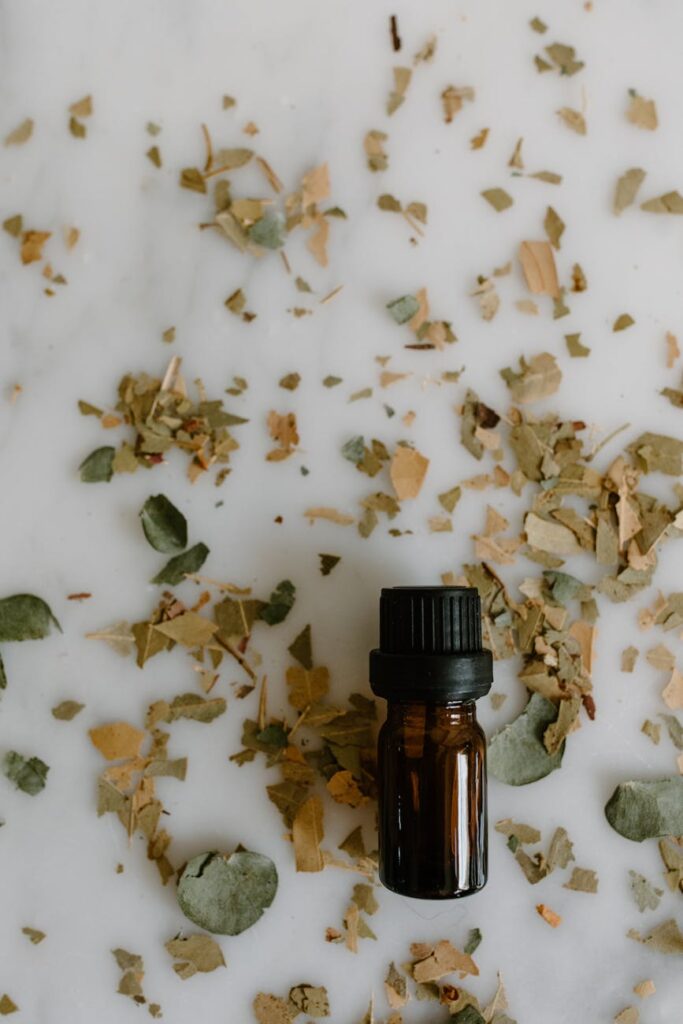
Aromatherapy Uses of Herbal Respiratory Relief Essential Oil Blends
Introduction
Aromatherapy, the practice of using essential oils for therapeutic benefits, has gained popularity as a complementary approach to wellness. Among the various applications of essential oils, herbal respiratory relief blends stand out for their potential to support respiratory health. This article explores the composition, benefits, common uses, and applications of these blends, providing a comprehensive understanding of their role in aromatherapy.
What Is Herbal Respiratory Relief Essential Oil Blends?
Herbal respiratory relief essential oil blends are mixtures of essential oils derived from plants known for their beneficial properties related to the respiratory system. These blends typically include a combination of oils extracted from herbs, flowers, and other botanicals that are believed to promote clearer breathing and overall respiratory wellness. Common essential oils found in these blends may include eucalyptus, peppermint, tea tree, thyme, and rosemary, among others.
Each essential oil contributes unique properties, creating a synergistic effect when combined. This synergy enhances the overall efficacy of the blend, making it a popular choice for individuals seeking natural support for respiratory discomfort.
Key Benefits and Properties
The essential oils within herbal respiratory relief blends are often celebrated for their various properties:
1. Decongestant: Essential oils like eucalyptus and peppermint have decongestant properties, helping to relieve nasal congestion and promote easier breathing.
2. Antimicrobial: Oils such as tea tree and thyme possess antimicrobial properties, which may help combat airborne pathogens and support respiratory health.
3. Anti-inflammatory: Certain oils can help reduce inflammation in the respiratory tract, which may be beneficial for individuals experiencing irritation or discomfort.
4. Relaxation: Many herbal oils, such as lavender, are known for their calming effects, which can help alleviate stress and anxiety, potentially contributing to enhanced respiratory function.
5. Expectorant: Some oils, including rosemary, can act as expectorants, helping to loosen mucus and promote its expulsion from the respiratory system.
Common Uses
Herbal respiratory relief essential oil blends can be used in various ways to support respiratory health. Here are some of the most common applications:
- Inhalation: Inhaling essential oils directly from the bottle or through a diffuser can provide immediate relief and support respiratory function.
- Topical Application: Diluting essential oils in a carrier oil and applying them to the chest or back can help promote localized relief.
- Steam Inhalation: Adding a few drops of essential oil to a bowl of hot water and inhaling the steam can enhance the decongestant effects.
- Bathing: Incorporating essential oils into a warm bath can create a relaxing atmosphere while also benefiting the respiratory system.
- Massage: Using diluted herbal blends in massage may help relax the body and promote better breathing.
- Add 4-6 drops of the herbal respiratory relief blend to your diffuser.
- Follow the manufacturer’s instructions for water levels.
- Turn on the diffuser and allow the aroma to fill the room.
- Place 1-2 drops of the blend on a cotton ball or tissue.
- Hold it close to your nose and take deep breaths.
- Repeat as needed.
- Boil water and pour it into a bowl.
- Add 2-3 drops of the herbal respiratory blend to the water.
- Lean over the bowl, covering your head with a towel to trap the steam.
- Breathe deeply for 5-10 minutes, being cautious of the hot steam.
- Mix 2-3 drops of the essential oil blend with a tablespoon of carrier oil (such as coconut or almond oil).
- Massage the mixture onto the chest or back, avoiding sensitive areas.
- Mix 5-10 drops of the herbal respiratory blend with a tablespoon of carrier oil.
- Add the mixture to warm bathwater.
- Soak for 15-20 minutes, enjoying the relaxing aroma.
- Container: Store essential oils in dark glass bottles to protect them from light, which can degrade their quality.
- Temperature: Keep oils in a cool environment, ideally between 60-70°F (15-21°C).
- Shelf Life: Most essential oils have a shelf life of 1-3 years, depending on the oil and storage conditions. Check for any changes in smell, color, or consistency before use.
Aromatherapy Applications
To effectively incorporate herbal respiratory relief essential oil blends into your wellness routine, consider the following applications:
Diffusion
Using an essential oil diffuser is one of the most effective ways to disperse the aromatic properties of herbal blends throughout a room. This method allows for the inhalation of the oils over an extended period, promoting a soothing environment.
How to Diffuse:
Inhalation
Direct inhalation is a quick method for experiencing the benefits of essential oils. This can be particularly helpful during times of respiratory discomfort.
How to Inhale:
Steam Inhalation
Steam inhalation is an effective way to deliver essential oils directly to the respiratory system.
How to Perform Steam Inhalation:
Topical Application
Diluting essential oils in a carrier oil before applying them to the skin can enhance their benefits.
How to Apply Topically:
Bathing
Adding essential oils to a bath can create a relaxing experience while promoting respiratory wellness.
How to Create an Aromatic Bath:
Safety Considerations
When using essential oils, it is essential to adhere to safety guidelines to minimize the risk of adverse reactions:
1. Dilution: Always dilute essential oils with a carrier oil before topical application to prevent skin irritation.
2. Patch Test: Conduct a patch test by applying a diluted mixture to a small skin area to check for sensitivity.
3. Avoid Ingestion: Essential oils are highly concentrated and should not be ingested unless under the guidance of a qualified professional.
4. Consultation: Individuals with pre-existing health conditions, pregnant or nursing women, and children should consult with a healthcare professional before using essential oils.
5. Storage: Keep essential oils out of reach of children and store them in a cool, dark place to maintain their integrity.
Storage and Shelf Life
Proper storage is crucial for maintaining the quality of essential oils. Here are some tips:
Frequently Asked Questions
1. Can I use herbal respiratory relief blends for children?
While some essential oils can be used safely with children, it is essential to consult a healthcare professional for guidance on appropriate oils and dilutions.
2. How often can I use these blends?
The frequency of use depends on the specific application method. Generally, inhalation and diffusion can be done multiple times a day, while topical applications should be limited to several times a day to avoid skin irritation.
3. Are there any contraindications for using these blends?
Individuals with specific health conditions, pregnant or nursing women, and those taking certain medications should consult a healthcare professional before using essential oils.
4. Can I create my own herbal respiratory relief blend?
Yes, you can create your own blend by combining essential oils known for their respiratory benefits, such as eucalyptus, peppermint, and tea tree. Be sure to follow proper dilution guidelines.
5. What should I do if I experience irritation or an allergic reaction?
If irritation or an allergic reaction occurs, discontinue use immediately and rinse the affected area with a carrier oil. If symptoms persist, seek medical attention.
Conclusion
Herbal respiratory relief essential oil blends offer a natural approach to supporting respiratory wellness through the art of aromatherapy. By understanding their composition, benefits, and safe applications, individuals can explore the soothing properties of these blends. As with any practice, it is crucial to approach the use of essential oils with caution and respect, ensuring a safe and enjoyable experience.