
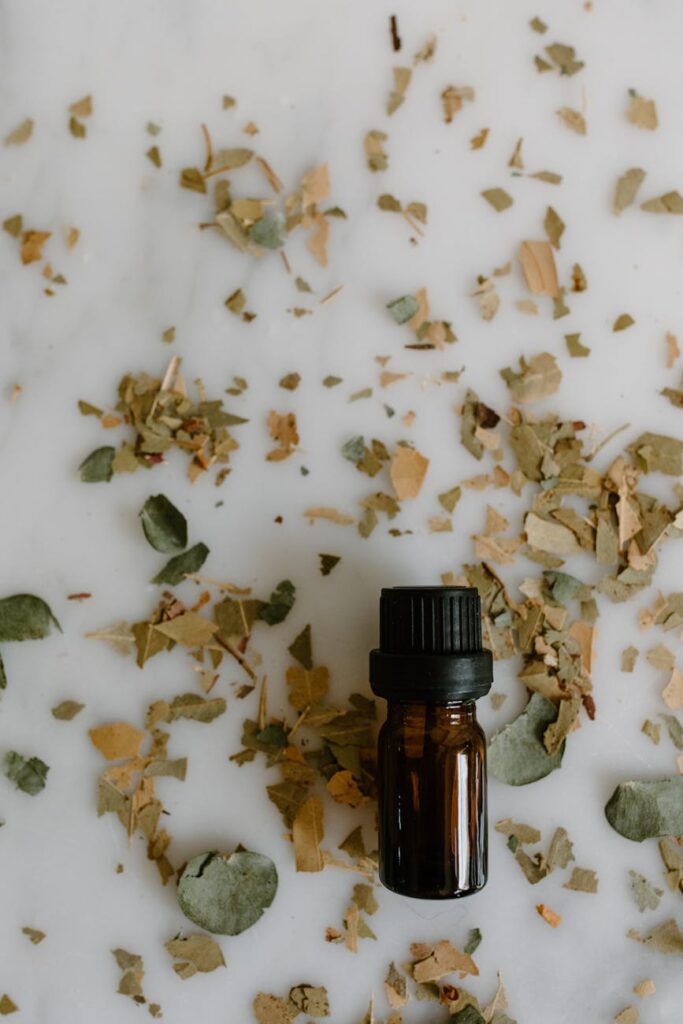
Aromatherapy Uses of Herbal Respiratory Support Aromatherapy Blends
Introduction
Aromatherapy, the practice of using essential oils for therapeutic benefits, has gained popularity for its potential to enhance well-being. Among various applications, herbal respiratory support aromatherapy blends stand out, offering a range of benefits for respiratory health. This article explores the nature of these blends, their benefits, common uses, and practical applications, providing a comprehensive understanding of how they can be integrated into daily life.
What Is Herbal Respiratory Support Aromatherapy Blends?
Herbal respiratory support aromatherapy blends are concoctions of essential oils derived from various plants known for their supportive properties on the respiratory system. These blends typically include oils from herbs, flowers, and trees that have been traditionally recognized for their ability to promote easier breathing, soothe respiratory discomfort, and enhance overall lung function. Common essential oils used in these blends include eucalyptus, peppermint, tea tree, and rosemary, each bringing unique properties to the blend.
Key Benefits and Properties
Herbal respiratory support aromatherapy blends are associated with a variety of benefits:
1. Decongestant Properties: Many essential oils, such as eucalyptus and peppermint, are known for their ability to help clear nasal passages and reduce congestion.
2. Anti-inflammatory Effects: Oils like tea tree and lavender contain compounds that may help reduce inflammation within the respiratory tract, promoting easier breathing.
3. Antimicrobial Benefits: Certain essential oils possess antimicrobial properties that can help combat pathogens in the respiratory system, contributing to a healthier environment for breathing.
4. Mood Enhancement: The aromatic compounds in these blends can have uplifting effects on mood and emotional well-being, which can be beneficial during times of respiratory distress.
5. Relaxation and Stress Relief: Many of the oils used in respiratory blends also promote relaxation, aiding in stress reduction that can indirectly support respiratory function.
Common Uses
Herbal respiratory support aromatherapy blends can be utilized in several ways, catering to individual preferences and needs:
1. Diffusion: One of the most popular methods, diffusion involves dispersing essential oils into the air. This method allows for the inhalation of aromatic molecules, promoting respiratory support while simultaneously enhancing mood and ambiance.
2. Topical Application: Diluted essential oils can be applied to the skin, particularly on the chest or back, to provide localized support.
3. Inhalation: Direct inhalation of essential oils from the bottle or a cotton ball can provide quick relief and support for the respiratory system.
4. Steam Inhalation: Adding a few drops of essential oil to hot water and inhaling the steam can help clear nasal passages and soothe respiratory discomfort.
5. Baths: Incorporating essential oils into a warm bath can provide a soothing experience, allowing the body to absorb the oils through the skin and inhaling the aromatic steam.
Aromatherapy Applications
To maximize the benefits of herbal respiratory support aromatherapy blends, consider the following practical applications:
1. Creating a Personal Blend
To create a custom blend, combine essential oils known for their respiratory benefits. A typical ratio might be 3 drops of eucalyptus, 2 drops of peppermint, and 1 drop of tea tree oil mixed with a carrier oil (like coconut or almond oil) for topical application.
2. Bedtime Ritual
Incorporate respiratory support blends into a bedtime routine by diffusing a calming blend with oils like lavender and chamomile, alongside respiratory oils, to promote relaxation and support restful sleep.
3. During Seasonal Changes
As seasons change and respiratory issues become more prevalent, consider using these blends more frequently to support respiratory health. Regular diffusion in living spaces can help maintain a healthy environment.
4. In Yoga and Meditation
Incorporating respiratory support blends into yoga or meditation practices can enhance the experience. Use a diffuser or inhalation method to create an atmosphere conducive to deep breathing and relaxation.
5. For Travel
Travel can often lead to respiratory discomfort. Carry a small roller bottle with a diluted herbal respiratory blend to apply to pulse points or inhale during flights or long journeys.
Safety Considerations
While essential oils can be beneficial, it is crucial to adhere to safety guidelines:
1. Dilution: Essential oils are potent and should always be diluted with a carrier oil before topical application to prevent skin irritation.
2. Patch Test: Conduct a patch test by applying a diluted mixture to a small area of skin to check for any allergic reactions.
3. Avoiding Certain Groups: Pregnant women, nursing mothers, and children should consult a qualified aromatherapist or healthcare provider before using essential oils.
4. Quality of Oils: Invest in high-quality, pure essential oils from reputable suppliers to ensure efficacy and safety.
5. Consultation: If respiratory issues persist, it is advisable to seek professional medical advice rather than relying solely on aromatherapy.
Storage and Shelf Life
Proper storage of essential oils is essential for maintaining their potency and effectiveness. Here are some guidelines:
1. Cool, Dark Place: Store essential oils in a cool, dark place, away from direct sunlight and heat sources to prevent degradation.
2. Airtight Containers: Use dark glass bottles with tight seals to prevent oxidation and contamination.
3. Shelf Life: Most essential oils have a shelf life ranging from 1 to 5 years, depending on the oil. Citrus oils tend to have a shorter shelf life than others.
4. Expiration Check: Regularly check the oils for changes in scent or consistency, which may indicate that they have expired.
Frequently Asked Questions
1. Can I use herbal respiratory blends for children?
While some essential oils can be safe for children, it is crucial to consult with a qualified aromatherapist or healthcare provider to determine which oils are appropriate and how to use them safely.
2. Are there any essential oils I should avoid?
Certain oils, such as those from the mint family (e.g., peppermint), should be used with caution around young children, as they can be too strong. Additionally, individuals with certain health conditions should avoid specific oils.
3. How often can I use these blends?
The frequency of use can vary depending on individual needs and sensitivities. It is recommended to start with limited use and observe how your body responds.
4. Can I combine different essential oils?
Yes, blending different essential oils can enhance their benefits. However, it is essential to research the properties of each oil and ensure they complement one another.
5. What is the best method for inhaling essential oils?
Direct inhalation, steam inhalation, and diffusion are all effective methods. The best method depends on personal preference and the situation.
Conclusion
Herbal respiratory support aromatherapy blends offer a natural and holistic approach to promoting respiratory health and overall well-being. By understanding their properties, benefits, and practical applications, individuals can effectively integrate these blends into their daily routines. As with any complementary therapy, it is essential to prioritize safety and consult with professionals when necessary. Through responsible use, herbal respiratory support blends can enhance the quality of life and provide comfort during challenging respiratory situations.