
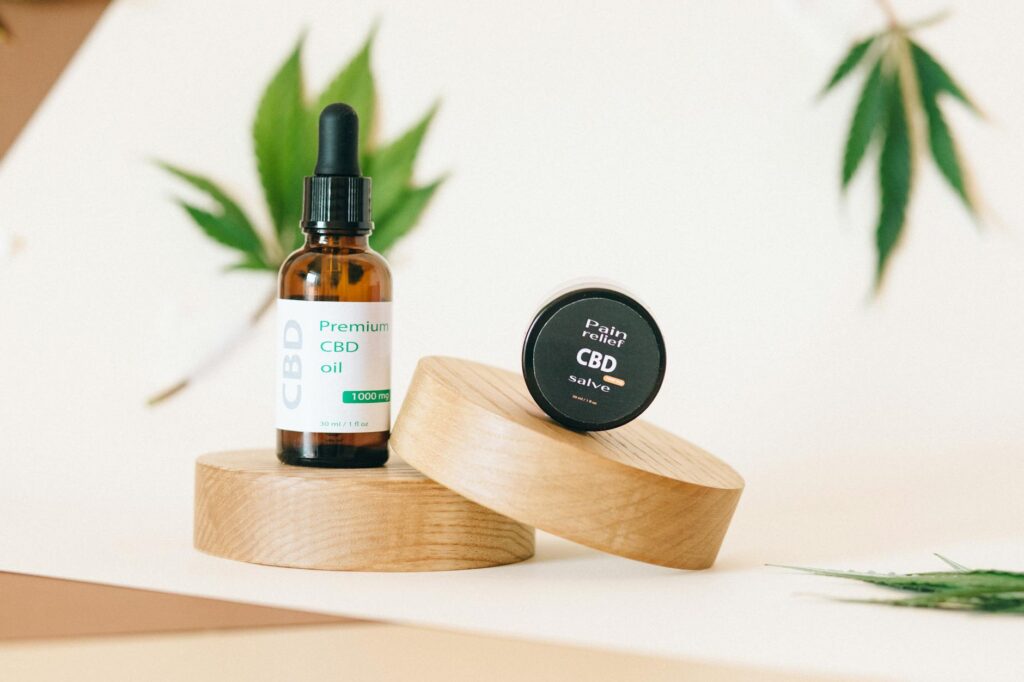
Aromatherapy Uses of Herbal Salves
Introduction
Aromatherapy, the practice of using essential oils for therapeutic purposes, has gained considerable popularity in recent years. One of the lesser-known but equally valuable applications of this holistic approach is the use of herbal salves. These topical preparations combine the benefits of essential oils with the nourishing properties of various botanical ingredients, creating versatile remedies that can enhance both physical and emotional well-being. This article explores the nature of herbal salves, their benefits, common uses, and applications within the realm of aromatherapy.
What Is Herbal Salves?
Herbal salves are semi-solid ointments made from a blend of herbal extracts, essential oils, and carrier oils. The primary purpose of salves is to deliver beneficial properties of the herbs and oils directly to the skin. Typically, a salve is created by infusing carrier oils, such as olive oil or coconut oil, with herbs, followed by the incorporation of beeswax to solidify the mixture. The result is a soothing balm that can be applied topically to various areas of the body.
Salves can be formulated with a variety of herbs and essential oils, each chosen for its unique properties and potential benefits. Whether used for soothing skin irritations, providing relief from minor aches, or enhancing relaxation, herbal salves are a versatile addition to any wellness routine.
Key Benefits and Properties
Herbal salves offer a multitude of benefits, primarily due to the synergistic effects of the combined ingredients. Here are some key properties:
1. Moisturizing: Carrier oils used in salves, such as jojoba or almond oil, provide hydration and nourishment to the skin.
2. Anti-inflammatory: Many herbs possess anti-inflammatory properties, which can help reduce redness and swelling when applied topically.
3. Antimicrobial: Certain essential oils, such as tea tree and lavender, exhibit antimicrobial properties, making salves effective for minor cuts and abrasions.
4. Analgesic: Some essential oils like peppermint and eucalyptus can provide a cooling sensation and relief from discomfort.
5. Soothing: Ingredients like chamomile and calendula can help calm irritated skin and promote healing.
6. Aromatherapeutic: The inhalation of essential oils during application can enhance emotional well-being, promoting relaxation and reducing stress.
Common Uses
Herbal salves are utilized for a wide range of purposes, including:
- Skin Care: Salves can be used to soothe dry, cracked skin, minor burns, or rashes. Ingredients like calendula and aloe vera are particularly effective in promoting skin health.
- Muscle Relief: Salves containing essential oils like wintergreen or ginger can provide relief from muscle aches and joint pain.
- Respiratory Support: Certain formulations can be applied to the chest or back to ease respiratory discomfort, particularly during cold and flu seasons.
- Emotional Balance: Salves infused with calming essential oils such as bergamot or clary sage can be used in self-care routines to promote emotional well-being.
- Wound Care: A salve with antimicrobial properties can be beneficial for minor cuts and scrapes, aiding in the healing process.
Aromatherapy Applications
In the context of aromatherapy, herbal salves serve as a practical and effective way to harness the benefits of essential oils. Here are several applications:
1. Massage: Using an herbal salve during massage can enhance the experience by providing both the therapeutic effects of the essential oils and the soothing benefits of the carrier oils.
2. Inhalation: While the primary application is topical, the aromatic properties of essential oils in the salve can still be enjoyed through inhalation, particularly when applying the salve to pulse points such as wrists or temples.
3. Bathing: Herbal salves can be added to bathwater for a relaxing soak. The heat of the water helps to release the aromatic compounds, enhancing the overall experience.
4. Self-Care Rituals: Incorporating salves into daily routines, such as after showering or before bed, can create a calming ritual that promotes mindfulness and relaxation.
5. Environmental Enhancement: Applying herbal salves to the skin can create a pleasant aroma that lingers throughout the day, contributing to a pleasant atmosphere.
Safety Considerations
While herbal salves are generally considered safe for topical use, certain precautions should be observed:
1. Patch Test: Before using a new salve, conduct a patch test on a small area of skin to ensure there is no allergic reaction.
2. Choose Quality Ingredients: Opt for high-quality, organic ingredients to minimize the risk of irritation or allergic reactions.
3. Essential Oil Dilution: Essential oils are potent substances and should be properly diluted in carrier oils before application to the skin.
4. Consult with Professionals: If you have existing medical conditions, are pregnant, or are nursing, consult with a qualified healthcare provider before using herbal salves.
5. Avoid Sensitive Areas: Refrain from applying salves to sensitive areas such as the eyes or mucous membranes.
Storage and Shelf Life
Proper storage is essential to maintain the efficacy and quality of herbal salves:
1. Cool, Dark Place: Store salves in a cool, dark place away from direct sunlight to prevent degradation of the oils.
2. Seal Containers: Use airtight containers to prevent exposure to air and moisture, which can lead to spoilage.
3. Check for Changes: Regularly inspect the salve for any changes in color, texture, or odor, which may indicate spoilage.
4. Shelf Life: Most herbal salves can last for 6 months to 1 year, depending on the ingredients used. However, it’s advisable to adhere to the specific guidelines provided by the manufacturer or recipe.
Frequently Asked Questions
What is the difference between a salve and a balm?
Both salves and balms are topical preparations, but salves are typically oil-based and have a softer consistency, while balms may contain more wax, resulting in a firmer texture.
Can herbal salves be used on all skin types?
While many herbal salves are designed to be gentle and suitable for various skin types, individuals with sensitive skin or allergies should perform a patch test and consult with a professional if in doubt.
How can I make my own herbal salve at home?
Creating your own herbal salve involves infusing carrier oil with herbs, combining it with beeswax, and adding essential oils. Many recipes are available online that provide step-by-step instructions.
Can herbal salves be used for children?
Many herbal salves are suitable for children, but it is crucial to select formulations that contain child-friendly ingredients and to consult with a healthcare provider for specific concerns.
Are there any essential oils that should be avoided in salves?
Certain essential oils, such as those derived from citrus fruits, can cause photosensitivity. It is advisable to research essential oils and their properties before use.
Conclusion
Herbal salves represent a beautiful fusion of nature’s bounty and the art of aromatherapy, offering a plethora of benefits for both skin and mind. With their versatile applications, these salves can enhance self-care routines and provide relief from various minor ailments. Whether purchased from a trusted source or crafted at home, herbal salves can be a valuable addition to any holistic wellness regimen. As with any natural remedy, understanding their properties and practicing safe use is essential to fully appreciate their potential.