
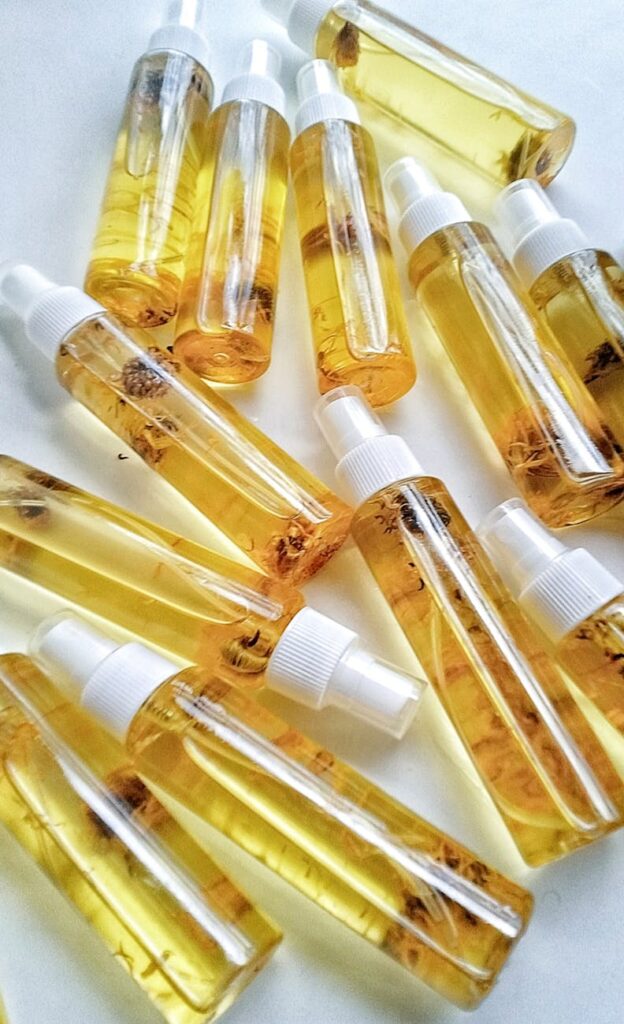
Aromatherapy Uses of Herbal Sprays
Introduction
Aromatherapy, a holistic healing practice that utilizes the natural scents of essential oils, has garnered significant attention for its therapeutic benefits. Among the various forms of aromatherapy, herbal sprays have emerged as a practical and versatile option for enhancing well-being. This article delves into the fascinating world of herbal sprays, exploring their composition, benefits, common uses, and safety considerations, as well as addressing frequently asked questions.
What Is Herbal Sprays?
Herbal sprays are liquid preparations infused with essential oils derived from aromatic plants. These sprays are typically created by blending essential oils with a carrier liquid—often water or a hydrosol—along with an emulsifier or solubilizer to ensure the oils disperse evenly. The resulting mixture can be used in various contexts, from personal fragrance to environmental aromas, offering a variety of sensory experiences.
Unlike traditional oil diffusers, herbal sprays provide a more immediate scent impact, making them easy to use on-the-go. Their versatility allows for a wide range of applications, from personal care to household cleaning solutions.
Key Benefits and Properties
Herbal sprays possess several noteworthy properties and benefits:
1. Convenience: Easily transportable, herbal sprays can be applied anywhere, making them ideal for travel or quick refreshment.
2. Versatility: They can serve multiple purposes, from personal fragrance to home air freshening and topical applications.
3. Natural Ingredients: Most herbal sprays are made with botanicals, making them a natural alternative to synthetic air fresheners or perfumes.
4. Mood Enhancement: The aromatic compounds found in essential oils can influence emotional well-being, promoting relaxation, focus, or invigoration, depending on the chosen ingredients.
5. Air Purification: Some essential oils possess antimicrobial properties that may help to purify the air and reduce the presence of certain bacteria and fungi.
Common Uses
Herbal sprays have a variety of applications, each tailored to meet different needs:
1. Personal Fragrance: Many people use herbal sprays as natural perfumes, selecting essential oils that resonate with their personal preferences.
2. Room Fresheners: These sprays can effectively mask odors and refresh indoor environments, making them a popular choice for living spaces.
3. Pillow and Linen Sprays: Spritzing herbal sprays on bedding can promote a calming atmosphere conducive to sleep.
4. Mood Enhancers: Specific blends can be used to uplift spirits or relieve stress, making them suitable for use in yoga or meditation practices.
5. Air Quality Improvers: Some herbal sprays are designed to purify the air, utilizing essential oils known for their antimicrobial properties.
Aromatherapy Applications
The applications of herbal sprays in aromatherapy can be categorized into several areas:
1. Stress Relief
Essential oils like lavender, chamomile, and bergamot are commonly used in herbal sprays aimed at reducing stress and anxiety. A quick spritz can create a calming environment, making it easier to unwind after a long day.
2. Focus and Concentration
For those seeking to enhance mental clarity, herbal sprays containing peppermint, rosemary, or citrus oils can stimulate the mind and promote concentration. These scents are often used in workspaces or study areas.
3. Relaxation and Sleep
Herbal sprays designed to support sleep often include oils like lavender, sandalwood, and ylang-ylang. Spraying these scents on pillows or bedding can create a tranquil atmosphere that encourages restful sleep.
4. Energizing and Uplifting
Citrus oils such as lemon, lime, and sweet orange are popular in herbal sprays intended to uplift the spirit and energize the body. These sprays can be used in the morning or during midday slumps to encourage positivity.
5. Seasonal Support
Certain herbal sprays can be formulated to support seasonal changes. For example, eucalyptus and tea tree oils can be used in sprays aimed at promoting respiratory health, particularly during colder months.
Safety Considerations
While herbal sprays offer numerous benefits, it is essential to observe safety precautions:
1. Skin Sensitivity: Before applying an herbal spray to the skin, perform a patch test to check for potential allergic reactions. Some essential oils may cause irritation or sensitivity in certain individuals.
2. Dilution: Always ensure that essential oils are appropriately diluted in the carrier liquid. Concentrated essential oils can be potent and should not be applied directly to the skin without proper dilution.
3. Pregnancy and Nursing: Some essential oils are not recommended for use during pregnancy or nursing. It is advisable to consult a knowledgeable professional for guidance on safe options.
4. Children and Pets: Certain essential oils can be harmful to children and pets. Always research and select oils that are safe for use in environments shared with young children or animals.
5. Inhalation: While herbal sprays are designed for inhalation, excessive use may lead to respiratory irritation. Use sprays in moderation and ensure adequate ventilation in the area.
Storage and Shelf Life
Proper storage is crucial to maintain the efficacy of herbal sprays:
- Cool, Dark Place: Store herbal sprays in a cool, dark location to protect them from light and heat, which can degrade the essential oils over time.
- Sealed Containers: Use dark glass bottles for storage, as they protect the contents from light exposure. Ensure that the containers are tightly sealed to prevent evaporation.
- Shelf Life: Generally, herbal sprays have a shelf life of 6 months to 1 year, depending on the ingredients and storage conditions. Regularly check for any changes in scent or appearance, which may indicate that the spray has gone bad.
Frequently Asked Questions
1. Can I make my own herbal sprays?
Yes, making your own herbal sprays is a straightforward process. Combine distilled water or hydrosol with your choice of essential oils in a spray bottle. Adjust the ratio to achieve your desired scent strength.
2. Are herbal sprays safe to use around pets?
Some essential oils can be harmful to pets. Always research the specific oils you plan to use and consult a veterinarian if you have concerns regarding their safety for animals.
3. How can I enhance the effectiveness of my herbal spray?
To enhance the effectiveness, consider incorporating complementary essential oils that work synergistically together. In addition, use your herbal spray in a well-ventilated area to allow the aroma to diffuse freely.
4. Can I use herbal sprays for cleaning?
Many herbal sprays can be formulated to have cleaning properties, particularly those containing essential oils like tea tree or lemon. However, ensure that these formulations are safe for the surfaces you intend to clean.
5. How often should I reapply my herbal spray?
The frequency of reapplication depends on personal preference and the specific environment. Generally, you may wish to reapply every few hours or whenever the scent diminishes.
Conclusion
Herbal sprays are a versatile and enjoyable way to experience the benefits of aromatherapy. With their diverse applications, ease of use, and natural ingredients, they serve as an excellent addition to any wellness routine. By understanding their properties, common uses, and safety considerations, individuals can make informed choices to enhance their environments and promote well-being through the art of aromatherapy.