
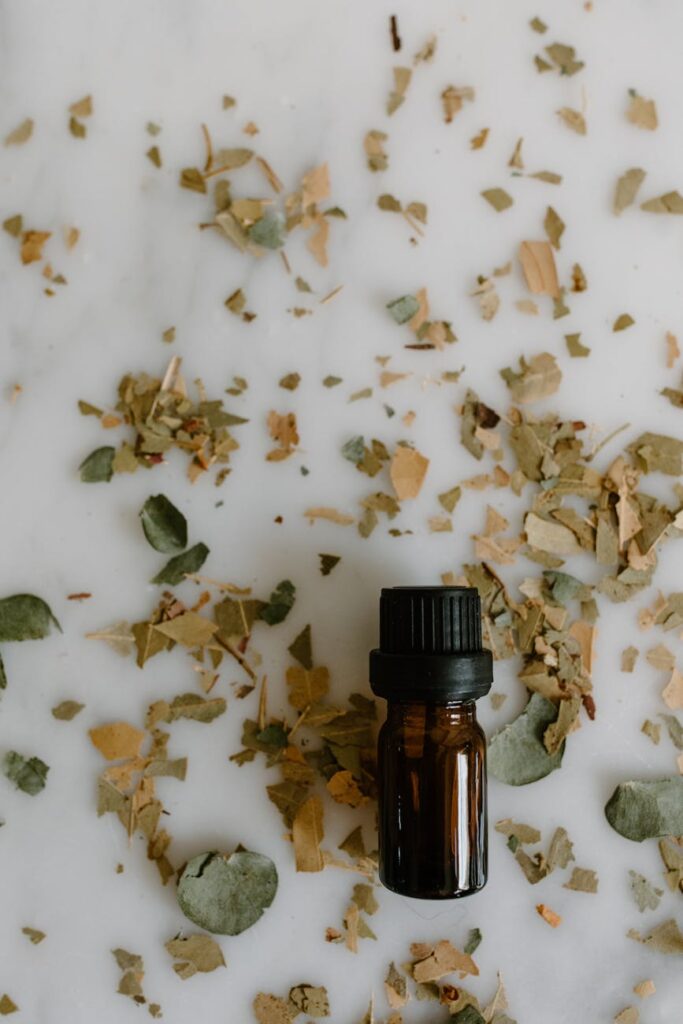
Aromatherapy Uses of Herbal Stress-Reducing Essential Oil Blends
Introduction
In our fast-paced world, stress has become an almost universal experience, impacting mental well-being and physical health. Aromatherapy, the practice of using essential oils extracted from plants for therapeutic purposes, offers a holistic approach to managing stress. Herbal stress-reducing essential oil blends are particularly popular among practitioners and enthusiasts alike, as they combine the beneficial properties of various herbs to promote relaxation and alleviate tension. This article explores the nature of these blends, their benefits, common uses, and practical applications within aromatherapy.
What Is Herbal Stress-Reducing Essential Oil Blends?
Herbal stress-reducing essential oil blends are combinations of essential oils derived from various herbs known for their calming and soothing effects. These blends can include oils from plants such as lavender, chamomile, bergamot, and sage, among others. The specific characteristics of each essential oil contribute to the overall efficacy of the blend, synergistically enhancing their stress-relieving properties.
Essential oils are typically extracted through methods such as steam distillation, cold pressing, or solvent extraction, depending on the plant material used. The resulting concentrated oils contain volatile compounds that can evoke emotional and physiological responses when inhaled or applied topically.
Key Benefits and Properties
The benefits of herbal stress-reducing essential oil blends are manifold, encompassing both emotional and physical dimensions. Key properties of these blends may include:
1. Calming Effects: Many essential oils are known for their ability to promote relaxation and reduce anxiety. For instance, lavender oil has long been recognized for its soothing properties, making it a staple in stress-relief blends.
2. Mood Enhancement: Certain oils can uplift the spirit and promote a more positive outlook. Bergamot oil, for example, is often used to alleviate feelings of sadness and cultivate a sense of well-being.
3. Sleep Support: Blends containing sedative oils, such as chamomile and marjoram, can help prepare the body for restful sleep, making them ideal for evening routines.
4. Stress Reduction: Herbal blends target the root of stress, helping to mitigate both acute and chronic stress responses. The aroma of these essential oils can trigger the brain’s limbic system, which plays a role in emotion regulation.
5. Physical Relaxation: Some essential oils possess muscle-relaxing properties, which can help alleviate physical tension often associated with stress. Oils like peppermint and eucalyptus can also ease respiratory tension.
Common Uses
Herbal stress-reducing essential oil blends have a variety of applications, making them versatile additions to wellness practices. Common uses include:
1. Diffusion
Using a diffuser is one of the most popular methods for dispersing essential oils into the air. Diffusion allows the aromatic compounds to fill a room, creating a calming environment that can promote relaxation and stress relief.
2. Topical Application
When diluted with a carrier oil, herbal blends can be applied directly to the skin. This method not only allows for the calming aroma to be absorbed but can also provide localized relief for tension in muscles and joints.
3. Bathing
Adding essential oil blends to bathwater can create a spa-like experience at home. The warm water helps to open the pores, allowing for better absorption of the oils, while the steam enhances the inhalation of the soothing aromas.
4. Inhalation
Inhaling essential oils directly from the bottle or via a cotton ball can provide immediate stress relief. This method is practical for on-the-go situations when a moment of calm is needed.
5. Massage
Incorporating herbal essential oil blends into a massage can enhance relaxation while providing physical relief from muscle tension. A skilled practitioner can use specific techniques to further promote stress reduction.
Aromatherapy Applications
The applications of herbal stress-reducing essential oil blends can be tailored to individual needs. Below are some popular blends and their specific uses:
1. Lavender and Bergamot Blend
This combination is particularly effective for anxiety and promoting restful sleep. Lavender’s calming effects complement bergamot’s mood-enhancing properties, making it suitable for evening routines.
2. Chamomile and Frankincense Blend
Ideal for deep relaxation, this blend can help ease emotional stress and promote a sense of peace. Chamomile’s soothing aroma pairs well with the grounding scent of frankincense.
3. Peppermint and Eucalyptus Blend
This invigorating blend can help relieve physical tension and clear the mind. It is particularly useful during stressful work periods or when experiencing mental fatigue.
4. Sage and Rosemary Blend
Known for their cleansing properties, these essential oils can help dispel negative energy and promote mental clarity. This blend is excellent for use during meditation or mindfulness practices.
Safety Considerations
While essential oils are generally considered safe when used correctly, there are certain precautions to keep in mind:
1. Dilution: Always dilute essential oils with a carrier oil before applying them to the skin to avoid irritation.
2. Patch Test: Perform a patch test on a small area of skin to check for any allergic reactions before using a new blend extensively.
3. Pregnancy and Nursing: Certain essential oils may not be suitable for pregnant or nursing women. Consult with a healthcare professional for guidance.
4. Children and Pets: Be cautious when using essential oils around children and pets, as some oils can be toxic or irritating to them.
5. Storage: Essential oils should be stored in dark glass containers in a cool, dry place to preserve their efficacy.
Storage and Shelf Life
Proper storage is crucial for maintaining the quality of essential oils. Here are some guidelines:
- Container: Store essential oils in dark or amber glass bottles to protect them from light, which can degrade their quality over time.
- Temperature: Keep oils in a cool environment, away from direct sunlight or heat sources, which can affect their potency.
- Shelf Life: Most essential oils have a shelf life of 1 to 3 years, depending on the oil type. Citrus oils typically have a shorter shelf life compared to woody or resinous oils.
Frequently Asked Questions
1. Can I create my own herbal stress-reducing blends?
Yes, many people enjoy creating their own blends by combining different essential oils based on their preferences and desired effects. It is important to research the properties of each oil and follow proper dilution guidelines.
2. How often should I use essential oil blends for stress relief?
The frequency of use can vary depending on individual needs and preferences. Regular use, such as daily or several times a week, can help establish a calming routine.
3. Are there any side effects associated with using essential oils?
While side effects are rare when used properly, some individuals may experience skin irritation or allergic reactions. Always conduct a patch test and consult a healthcare provider if you have any concerns.
4. Can I use essential oils in combination with other stress-relief techniques?
Absolutely! Herbal stress-reducing essential oils can complement other stress-relief methods, such as meditation, yoga, and deep breathing exercises, enhancing their overall effectiveness.
5. Where can I purchase quality essential oils?
Quality essential oils can be purchased from health food stores, specialty aromatherapy shops, or online retailers. Look for reputable brands that provide information on sourcing and distillation processes.
Conclusion
Herbal stress-reducing essential oil blends offer a natural and effective way to manage stress and promote relaxation. With a variety of applications and numerous benefits, these blends can be tailored to individual preferences and incorporated into daily routines. Understanding their properties, uses, and safety considerations can enhance the aromatherapy experience, allowing individuals to cultivate a more balanced and peaceful lifestyle. Whether diffused, applied topically, or used in a relaxing bath, these essential oils provide a soothing sanctuary in today’s demanding world.