
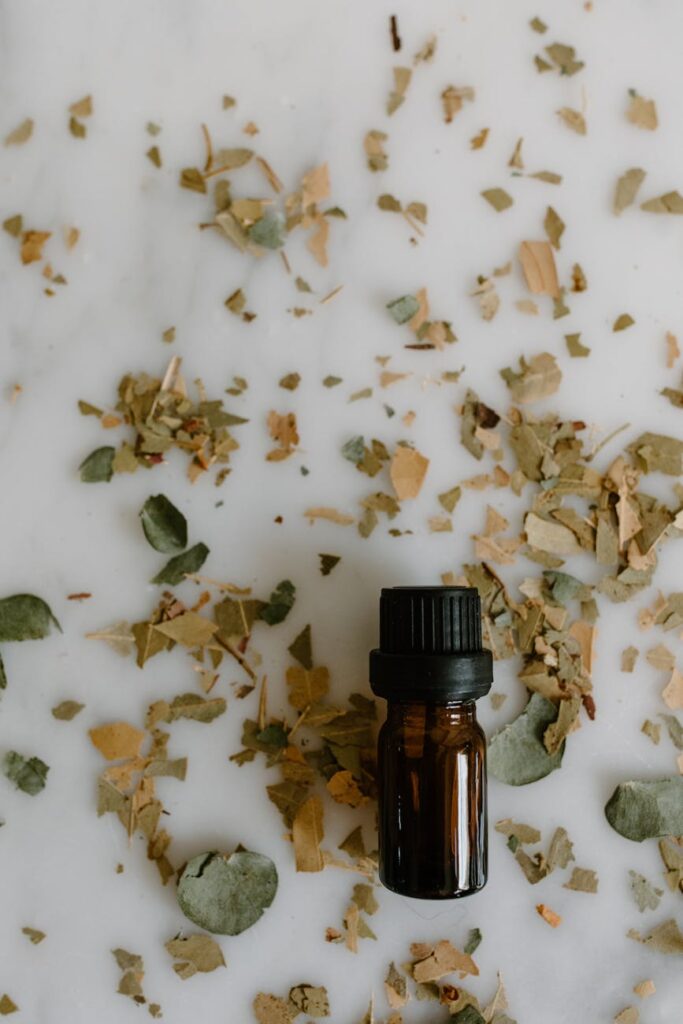
Aromatherapy Uses of Herbal Stress-Relieving Aromatherapy Blends
Introduction
In our fast-paced world, stress has become a common experience for many individuals. The quest for effective stress relief has led to the exploration of various holistic practices, one of which is aromatherapy. Aromatherapy utilizes essential oils extracted from plants to promote physical, emotional, and psychological well-being. Among the multitude of essential oil combinations, herbal stress-relieving blends stand out for their calming and soothing properties. This article will delve into what these blends are, their benefits, applications, and safety considerations.
What Is Herbal Stress-Relieving Aromatherapy Blends?
Herbal stress-relieving aromatherapy blends are combinations of essential oils derived from aromatic plants, specifically chosen for their ability to alleviate stress and promote relaxation. These blends typically incorporate oils from herbs known for their calming properties, such as lavender, chamomile, and bergamot. The art of creating these blends involves understanding the synergistic effects of different essential oils, which can enhance their individual benefits when combined.
The essential oils used in these blends are extracted through various methods, including steam distillation and cold pressing. Once extracted, they can be combined in varying ratios to create unique blends tailored to specific needs.
Key Benefits and Properties
Herbal stress-relieving aromatherapy blends offer a plethora of benefits, primarily centered around stress relief and emotional balance. Here are some key properties and benefits associated with these blends:
1. Stress Reduction
Certain essential oils, such as lavender and ylang-ylang, are renowned for their anxiolytic (anxiety-reducing) properties. Inhaling these aromas can help lower cortisol levels, the hormone associated with stress.
2. Enhanced Mood and Relaxation
Many herbal oils possess uplifting properties that can improve mood and promote relaxation. For instance, bergamot is often used to alleviate feelings of sadness and anxiety, while chamomile is known for its soothing effects.
3. Improved Sleep Quality
Stress often leads to sleep disturbances. Herbal blends that include calming oils can help create a tranquil environment conducive to restful sleep. Lavender, in particular, is frequently cited for its ability to promote deeper sleep.
4. Grounding and Centering Effects
Herbal stress-relieving blends can help in grounding the mind and body, promoting a sense of stability and calm. Essential oils like frankincense and sandalwood are often included in blends for their grounding properties.
5. Support for Mental Clarity
Some herbal oils, such as rosemary, can enhance cognitive function and clarity, which can be particularly beneficial when stress clouds judgment and decision-making.
Common Uses
Herbal stress-relieving aromatherapy blends can be utilized in various settings and for different purposes. Here are some common uses:
1. Diffusion
One of the most popular methods is using a diffuser to disperse the aroma of the blend throughout a room. This method is excellent for creating a calming atmosphere.
2. Inhalation
Direct inhalation of the aroma from the bottle or a cotton ball can provide immediate stress relief. This method is highly portable and convenient for on-the-go stress management.
3. Topical Application
When diluted with a carrier oil, herbal blends can be applied to pulse points, such as wrists and temples. This method allows for prolonged exposure to the essential oils.
4. Bathing
Adding herbal stress-relieving blends to a warm bath can create a spa-like experience, promoting relaxation and comfort. The steam from the water also helps disperse the aromas.
5. Massage
Incorporating these blends into massage oils can enhance the relaxation experience. The combined effects of touch and aroma can contribute to overall stress reduction.
Aromatherapy Applications
Creating effective herbal stress-relieving blends requires an understanding of various applications. Here are some common components and methods for creating these blends:
1. Choosing Essential Oils
The first step in creating a blend is selecting the right essential oils. Some commonly used oils for stress relief include:
- Lavender: Known for its calming and soothing effects.
- Bergamot: Often used to uplift mood and reduce anxiety.
- Chamomile: Renowned for its gentle sedative properties.
- Frankincense: Grounding and calming, ideal for meditation.
- Ylang-Ylang: Known for its ability to reduce stress and promote relaxation.
- 5 drops of lavender
- 3 drops of bergamot
- 2 drops of chamomile
2. Creating a Blend
A basic stress-relieving blend might include the following ratios:
Mix the essential oils in a dark glass bottle and allow them to synergize for 24 hours before use.
3. Dilution
For topical applications, essential oils must be diluted with a carrier oil, such as jojoba, sweet almond, or coconut oil. A common dilution ratio is 2-3% essential oil in carrier oil, which translates to about 12-18 drops of essential oil per ounce of carrier oil.
4. Testing
Before full application, it’s advisable to conduct a patch test by applying a small amount of the diluted blend to an inconspicuous area of skin to check for any allergic reactions.
Safety Considerations
While aromatherapy can be a beneficial practice, it is essential to follow safety guidelines to prevent adverse effects:
1. Quality of Oils
Always choose high-quality, pure essential oils from reputable sources. Look for oils that are labeled as 100% pure and free from synthetic additives.
2. Dilution
As mentioned earlier, always dilute essential oils before topical application to minimize the risk of skin irritation.
3. Avoiding Certain Populations
Some essential oils may not be suitable for pregnant women, nursing mothers, or individuals with certain health conditions. It is advisable to consult a knowledgeable practitioner or aromatherapist before using specific oils.
4. Storage
Store essential oils in a cool, dark place to preserve their potency and prolong shelf life.
Storage and Shelf Life
Proper storage of herbal stress-relieving aromatherapy blends is crucial to maintaining their efficacy. Here are some guidelines:
1. Container
Store essential oils in dark glass containers to protect them from light exposure, which can degrade their quality.
2. Temperature
Keep essential oils in a cool environment, away from heat sources, which can also affect their longevity.
3. Shelf Life
Most essential oils have a shelf life of 1-3 years, depending on the type. Citrus oils tend to have a shorter shelf life, while oils like patchouli and sandalwood can last longer.
Frequently Asked Questions
1. Can I create my own herbal stress-relieving blend?
Yes, creating your own blend can be a rewarding experience. Start with essential oils known for their calming properties and experiment with different ratios to find what works best for you.
2. How often can I use these blends?
The frequency of use can vary by individual preference. However, it is advisable to start with a few applications daily and adjust based on your response.
3. Are there any side effects?
While essential oils are natural, they can still cause allergic reactions or skin irritation in some individuals. Always perform a patch test before widespread application.
4. Can I use these blends during pregnancy?
Some essential oils are contraindicated during pregnancy. It’s essential to consult with a healthcare professional or certified aromatherapist for guidance.
5. Are herbal stress-relieving blends effective for everyone?
Individual responses to aromatherapy can vary. While many people find relief from stress using these blends, others may not experience the same effects.
—
In conclusion, herbal stress-relieving aromatherapy blends present a natural approach to managing the stressors of modern life. By understanding the properties and applications of these oils, individuals can create personalized blends that promote relaxation, enhance mood, and support overall well-being. Always remember to prioritize safety and quality when exploring the world of aromatherapy.