
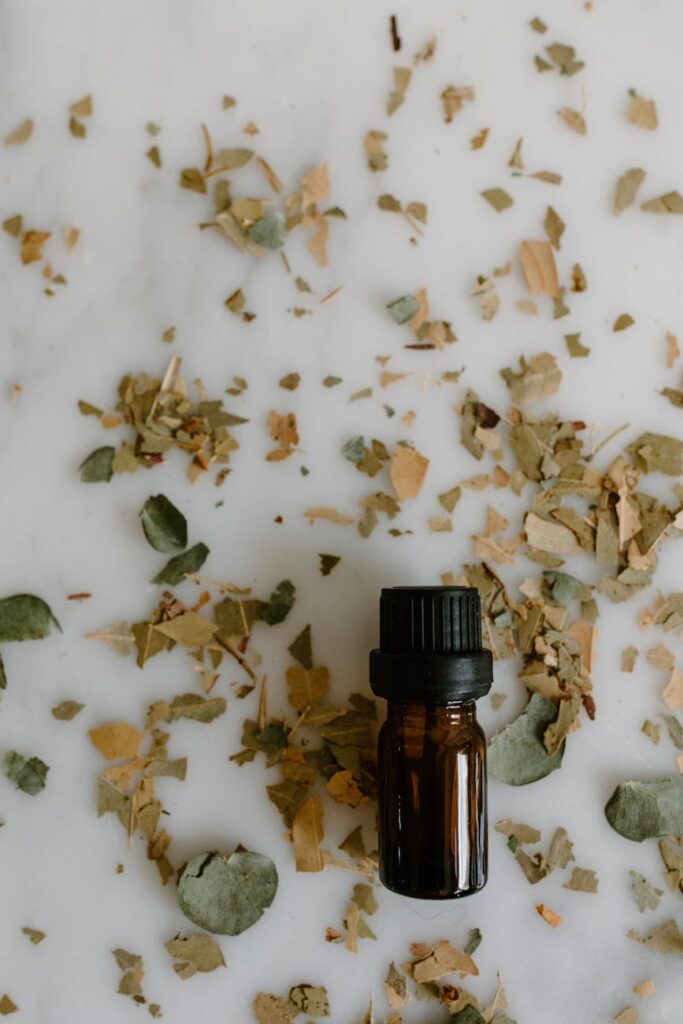
Aromatherapy Uses of Herbal Tonics
Introduction
Aromatherapy, the practice of using essential oils for therapeutic benefits, has gained popularity in recent years as a holistic approach to health and well-being. One intriguing aspect of this practice is the incorporation of herbal tonics—infusions made from herbs that can enhance the aromatic experience while providing a variety of benefits. This article aims to explore the concept of herbal tonics, their key properties, common uses, and applications in aromatherapy.
What Is Herbal Tonics?
Herbal tonics are concentrated infusions made from various plants that are believed to support overall health. These tonics can be created from a variety of herbs, including leaves, flowers, roots, and seeds, depending on the desired effects. The process typically involves steeping the chosen herbs in hot water or alcohol, allowing the beneficial compounds to be extracted.
While herbal tonics can be consumed as beverages, their aromatic properties also make them suitable for use in aromatherapy. The scent released from these tonics can enhance mood, stimulate the senses, and promote relaxation.
Key Benefits and Properties
Herbal tonics are celebrated for their diverse range of benefits, which can vary depending on the herbs used. Some key properties include:
- Antioxidant Effects: Many herbs are rich in antioxidants, which help combat oxidative stress and may support overall health.
- Anti-Inflammatory Properties: Certain herbs can have anti-inflammatory effects, potentially aiding in the relief of discomfort.
- Mood Enhancement: Specific herbal tonics are known for their uplifting and calming properties, making them beneficial for emotional well-being.
- Digestive Support: Some tonics can aid digestion, helping to alleviate discomfort and promote gastrointestinal health.
- Immune Support: Many herbs are thought to support immune function, contributing to overall vitality.
- Drinks: Herbal tonics can be consumed hot or cold, often served as teas or elixirs. They may be enjoyed for their flavor as well as their health benefits.
- Inhalation: The aromatic compounds in herbal tonics can be inhaled, either directly or through steam inhalation, to promote respiratory health and relaxation.
- Diffusion: When combined with essential oils, herbal tonics can be used in diffusers to create a therapeutic atmosphere in a space.
- Topical Applications: Herbal tonics can be diluted and used in skincare, offering beneficial properties for the skin and an aromatic experience.
- Allergies: Individuals should be aware of potential allergies to specific herbs. It is crucial to conduct a patch test or consult with a knowledgeable practitioner if unsure.
- Dilution: When using herbal tonics topically, they should be properly diluted with a carrier oil to avoid skin irritation.
- Pregnancy and Nursing: Some herbs may not be safe for pregnant or nursing individuals. Consulting with a healthcare professional is advisable in such cases.
- Interactions: Certain herbs may interact with medications or medical conditions. It is essential to research or consult with a knowledgeable source before using new herbal tonics.
- Storage Conditions: Herbal tonics should be stored in a cool, dark place, away from direct sunlight and heat. This helps preserve their aromatic and beneficial properties.
- Containers: Glass containers are preferred for storing herbal tonics, as they are non-reactive and help prevent contamination.
- Shelf Life: The shelf life of herbal tonics can vary depending on the ingredients and storage conditions. Generally, it is advisable to use them within one year for optimal freshness and effectiveness.
These properties make herbal tonics a valuable addition to aromatherapy practices.
Common Uses
Herbal tonics can be employed in various ways, both for consumption and for their aromatic qualities. Some common uses include:
Aromatherapy Applications
In the realm of aromatherapy, herbal tonics can be integrated into various applications:
Diffusion
When diffused, herbal tonics can fill a space with their aromatic properties, creating an atmosphere conducive to relaxation, focus, or rejuvenation. For example, a tonic made from chamomile can promote calmness, while a peppermint tonic may invigorate the mind.
Massage
Incorporating herbal tonics into massage oils can enhance the sensory experience. Combining a herbal tonic with carrier oils can facilitate relaxation and provide soothing effects for tired muscles.
Bathing
Adding herbal tonics to bathwater can create a fragrant and therapeutic bathing experience. Depending on the herbs used, this can help relax the mind, soothe the body, or invigorate the spirit.
Inhalation
Inhaling the vapors of herbal tonics can be achieved by placing a few drops in hot water and breathing in the steam. This method can be particularly effective for respiratory support or stress relief.
Safety Considerations
While herbal tonics can offer multiple benefits, it is essential to consider safety when using them in aromatherapy:
Storage and Shelf Life
Proper storage is vital to maintaining the efficacy of herbal tonics. Here are some guidelines:
Frequently Asked Questions
1. Can I make my own herbal tonics at home?
Yes, many individuals enjoy creating their own herbal tonics using dried or fresh herbs. Researching suitable recipes and methods is recommended to ensure safety and efficacy.
2. Can herbal tonics replace essential oils in aromatherapy?
While herbal tonics can complement essential oils, they serve different purposes. Herbal tonics are usually consumed or used in different methods, while essential oils are concentrated aromatic extracts. Both can be used together for a holistic approach.
3. Are there specific herbs that are best for beginners?
Some mild and widely recognized herbs for beginners include chamomile, peppermint, and lavender. These herbs are generally safe and easy to work with, making them suitable for those new to herbal tonics and aromatherapy.
4. How can I enhance the effects of an herbal tonic?
Combining various herbs that complement each other can enhance the effects of a tonic. Additionally, using the tonic in conjunction with mindful practices like meditation or yoga can promote a more profound experience.
5. Can I use herbal tonics for children?
While some herbal tonics may be appropriate for children, it is crucial to consult a healthcare professional or herbalist for guidance on suitable herbs and dosages for younger individuals.
Conclusion
Herbal tonics are a valuable addition to the world of aromatherapy, offering a unique blend of aromatic properties and potential health benefits. By understanding their uses, benefits, and safety considerations, individuals can effectively incorporate herbal tonics into their aromatherapy practices. Whether used in diffusion, massage, or as a soothing beverage, herbal tonics provide a holistic experience that can enhance well-being and promote relaxation.