
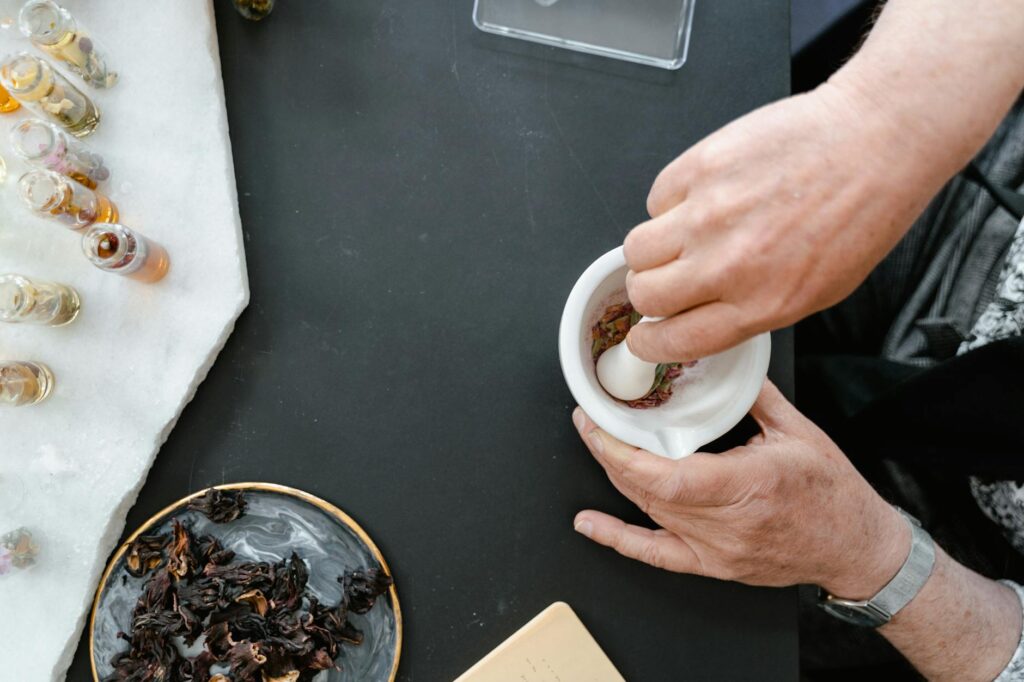
Aromatherapy Uses of Hibiscus Extract
Introduction
Hibiscus, a vibrant and visually striking flower, has long been celebrated not only for its aesthetic appeal but also for its therapeutic properties. Hibiscus extract, derived from the petals of the hibiscus plant, is increasingly utilized in aromatherapy and holistic wellness practices. This article delves into the characteristics of hibiscus extract, its benefits, common uses, applications in aromatherapy, safety considerations, and storage tips.
What Is Hibiscus Extract?
Hibiscus extract is obtained from the flowers of the Hibiscus sabdariffa and other hibiscus species. Often recognized for its deep red color and tart flavor, hibiscus extract is commonly used in teas, culinary dishes, and cosmetic products. The extraction process typically involves steeping the dried petals in a solvent, such as water or alcohol, to concentrate the beneficial compounds.
Hibiscus is native to tropical and subtropical regions worldwide, and its flowers are rich in antioxidants, vitamins, and organic acids. These properties contribute to its popularity in various wellness applications, especially in aromatherapy.
Key Benefits and Properties
Hibiscus extract is notable for its diverse array of bioactive compounds, including flavonoids, phenolic acids, and vitamins A and C. Some of the key benefits and properties of hibiscus extract in the context of aromatherapy include:
1. Antioxidant Properties: The high concentration of antioxidants helps combat oxidative stress, which can contribute to premature aging and various health issues.
2. Anti-inflammatory Effects: Hibiscus extract has been noted for its ability to reduce inflammation, making it a suitable option for soothing irritated skin and promoting a sense of calm.
3. Mood Enhancement: The aroma of hibiscus is often associated with uplifting and calming qualities, making it beneficial for emotional well-being.
4. Hydration: Hibiscus is known to help retain moisture, making it a popular ingredient in skincare formulations aimed at promoting hydration.
5. Astringent Qualities: The astringent properties of hibiscus can help tighten and tone the skin, contributing to a more youthful appearance.
Common Uses
Hibiscus extract is versatile and can be found in a variety of products and applications, including:
- Teas and Beverages: Hibiscus tea is a popular herbal drink known for its tart flavor and vibrant color. It is often enjoyed hot or cold, sometimes sweetened or blended with other herbs.
- Cosmetics and Skincare: Due to its hydrating and astringent properties, hibiscus extract is frequently included in face masks, serums, and lotions aimed at improving skin health.
- Culinary Applications: Hibiscus extract is used in jams, sauces, and syrups, imparting a unique flavor and color to various dishes.
- Bath Products: Hibiscus extract can be found in bath oils and salts, enhancing the sensory experience while providing skin benefits.
- Allergic Reactions: Some individuals may experience allergic reactions to hibiscus. It is advisable to perform a patch test before using hibiscus extract topically.
- Pregnancy and Breastfeeding: Pregnant or breastfeeding individuals should consult with a healthcare professional before using hibiscus extract, as its effects in these situations are not well studied.
- Drug Interactions: Hibiscus may interact with certain medications, particularly those affecting blood pressure and blood sugar levels. Consultation with a healthcare professional is recommended for individuals on such medications.
- Skin Sensitivity: When using hibiscus extract topically, it is essential to dilute it properly and monitor for irritation.
- Cool, Dark Place: Store hibiscus extract in a cool, dark place, away from direct sunlight and heat sources to prevent degradation.
- Tightly Sealed Containers: Ensure that the extract is kept in tightly sealed containers to minimize exposure to air and moisture, which can lead to spoilage.
- Shelf Life: The shelf life of hibiscus extract can vary based on the extraction method and storage conditions. Generally, it is advisable to use it within one year for optimal freshness.
Aromatherapy Applications
In aromatherapy, hibiscus extract can be utilized in several ways to promote well-being:
1. Essential Oil Blends: While hibiscus itself is not typically available as an essential oil, its extract can be blended with carrier oils or other essential oils to create personalized aromatherapy mixtures. Popular combinations include lavender for relaxation or citrus oils for an energizing effect.
2. Diffusion: Adding hibiscus extract to a diffuser can create a soothing atmosphere. The floral notes are believed to enhance mood and foster a sense of tranquility.
3. Topical Application: Diluted hibiscus extract can be applied to the skin in massage oils or lotions. Its anti-inflammatory properties may aid in soothing discomfort and promoting relaxation during massage therapy.
4. Bath Soaks: Including hibiscus extract in a warm bath can create a luxurious and calming experience. The floral aroma combined with warm water may help alleviate stress and tension.
5. Inhalation Therapy: Inhaling the aroma of hibiscus extract may provide emotional benefits. Practitioners often use it in conjunction with meditation or yoga to enhance relaxation and mindfulness.
Safety Considerations
While hibiscus extract is generally considered safe for most people, there are important safety considerations to keep in mind:
Storage and Shelf Life
To maintain the quality and efficacy of hibiscus extract, proper storage is crucial. Here are some tips:
Frequently Asked Questions
1. Can hibiscus extract be used in cooking?
Yes, hibiscus extract can be used in cooking, particularly in drinks, jams, and sauces, where it imparts a unique tart flavor.
2. Is hibiscus extract safe for children?
While hibiscus extract is generally safe, it is recommended to consult a healthcare professional before using it with children, particularly in concentrated forms.
3. How can I incorporate hibiscus extract into my skincare routine?
Hibiscus extract can be added to DIY skincare formulations or purchased as part of commercially available products such as serums and masks.
4. What is the difference between hibiscus extract and hibiscus tea?
Hibiscus extract is a concentrated form derived from the flowers, while hibiscus tea is made by steeping dried hibiscus petals in hot water, resulting in a flavorful beverage.
5. Can hibiscus extract be used for aromatherapy if I am allergic to it?
If you are allergic to hibiscus, it is advisable to avoid its use in any form, including aromatherapy, as it may trigger allergic reactions.
Conclusion
Hibiscus extract is a versatile and beneficial ingredient in the field of aromatherapy and holistic wellness. With its rich history and array of properties, it offers various applications for enhancing emotional and physical well-being. As with any natural product, awareness of safety considerations and proper usage is essential for maximizing its benefits. By exploring the uses of hibiscus extract, individuals can discover new ways to incorporate this vibrant flower into their wellness routines.