
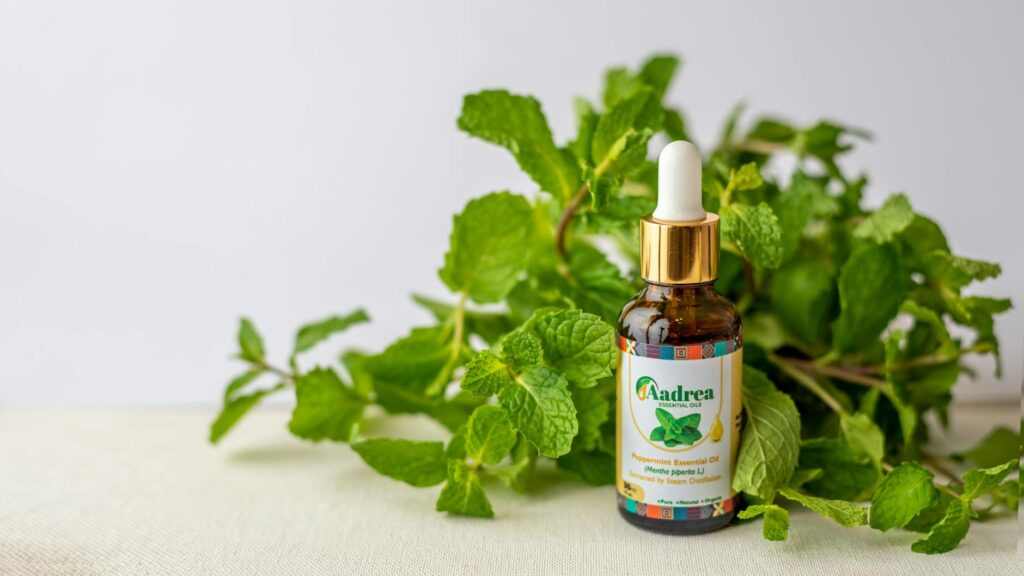
Aromatherapy Uses of Holy Basil Leaf Extract
Introduction
Aromatherapy, an ancient practice rooted in the use of essential oils, offers a holistic approach to wellness by integrating the mind, body, and spirit. Among the myriad of essential oils used in this therapeutic practice, Holy Basil Leaf Extract, also known as Ocimum sanctum or Tulsi, has garnered significant attention due to its unique properties and benefits. Native to the Indian subcontinent, Holy Basil has been revered for centuries in Ayurvedic medicine and spiritual traditions. This article delves into the nature of Holy Basil Leaf Extract, its benefits, common uses, and its applications in aromatherapy.
What Is Holy Basil Leaf Extract?
Holy Basil, often referred to as Tulsi, is a herbaceous plant belonging to the mint family (Lamiaceae). It thrives in tropical climates and is characterized by its aromatic leaves, which emit a sweet and slightly spicy fragrance. The plant typically reaches a height of 30 to 60 cm and produces small purple or white flowers. Holy Basil Leaf Extract is derived from the leaves and flowering tops of the plant, which are steam-distilled to capture the essential oil.
Rich in antioxidants and various phytochemicals, Holy Basil is particularly valued for its high concentration of eugenol, which contributes to its distinctive aroma and therapeutic qualities. The extract is commonly used in traditional practices, culinary dishes, and, increasingly, in modern aromatherapy.
Key Benefits and Properties
Holy Basil Leaf Extract is celebrated for a range of potential benefits, many of which stem from its rich phytochemical profile. The key properties include:
- Adaptogenic Qualities: Holy Basil is known as an adaptogen, a substance that may help the body adapt to stress and promote homeostasis.
- Antioxidant Effects: The extract contains a high level of antioxidants, which can help combat oxidative stress and support overall health.
- Anti-inflammatory Properties: Holy Basil has been noted for its anti-inflammatory effects, potentially aiding in the reduction of inflammation in the body.
- Antimicrobial Activity: Research suggests that Holy Basil exhibits antimicrobial properties, making it a popular choice for supporting immune health.
- Mood Enhancement: The aromatic compounds in Holy Basil are believed to have a calming effect on the mind, which can contribute to improved mood and emotional well-being.
- Culinary Applications: In Indian cuisine, Holy Basil leaves are used in dishes, teas, and herbal infusions, providing a unique flavor and aroma.
- Traditional Medicine: In Ayurvedic practices, Holy Basil is employed for its purported health benefits, including promoting respiratory health and enhancing digestion.
- Natural Remedies: The extract is commonly included in herbal formulations and supplements aimed at supporting overall wellness.
- Dilution: Always dilute the essential oil with a carrier oil before topical application to minimize the risk of irritation.
- Patch Test: Conduct a patch test by applying a small amount of diluted oil to a discreet area of skin to check for allergic reactions.
- Pregnancy and Nursing: Pregnant or nursing individuals should consult a healthcare provider before using Holy Basil essential oil.
- Children: Essential oils should be used with caution around children. It is advisable to consult a pediatrician before use.
- Medical Conditions: Individuals with specific health conditions or those taking medication should seek advice from a healthcare professional prior to use.
- Storage Conditions: Keep the essential oil in a cool, dark place away from direct sunlight and heat sources. This will help prevent degradation of the oil.
- Container: Store the oil in a dark glass bottle to protect it from light exposure.
- Shelf Life: When stored properly, Holy Basil essential oil typically has a shelf life of 2 to 3 years. However, it’s advisable to check for changes in scent or appearance before use.
Common Uses
Holy Basil Leaf Extract is utilized in various forms across different cultures:
Aromatherapy Applications
In the realm of aromatherapy, Holy Basil Leaf Extract is valued for its uplifting and grounding properties. Here are some common applications:
1. Diffusion
Holy Basil essential oil can be used in a diffuser to create a calming and refreshing atmosphere. Its sweet, peppery aroma can help alleviate feelings of stress and anxiety, making it an excellent choice for meditation or relaxation spaces.
2. Topical Application
When diluted with a carrier oil, Holy Basil Leaf Extract can be applied to the skin. This method is often used to promote a sense of calm and relaxation during massages. However, due to its potent nature, it is essential to conduct a patch test before widespread use to avoid potential irritation.
3. Inhalation
Inhaling the aroma of Holy Basil essential oil directly from the bottle or from a tissue can provide a quick mood boost. This technique is often employed to clear the mind and enhance focus.
4. Bathing
Adding a few drops of Holy Basil Leaf Extract to bathwater can create a soothing and aromatic experience. This method allows the benefits of the essential oil to be absorbed through the skin while enveloping the senses in its fragrant aroma.
5. Sprays and Mists
Creating a room spray or a body mist with Holy Basil essential oil can help purify the air and uplift the mood. Combine the oil with distilled water and a natural emulsifier, such as witch hazel, to create a refreshing mist.
Safety Considerations
While Holy Basil Leaf Extract is generally considered safe for aromatic use, several precautions should be taken:
Storage and Shelf Life
To maintain the potency and integrity of Holy Basil Leaf Extract, proper storage is essential:
Frequently Asked Questions
1. Is Holy Basil Leaf Extract the same as regular basil?
While both Holy Basil and regular basil (Ocimum basilicum) belong to the same family, they are distinct species with different properties and uses. Holy Basil is traditionally known for its adaptogenic qualities, while regular basil is primarily used as a culinary herb.
2. Can I use Holy Basil Leaf Extract for cooking?
Yes, Holy Basil leaves can be used in culinary applications, especially in traditional Indian dishes and teas. However, it is important to ensure that the extract is food-grade if you intend to use it for cooking.
3. How can I incorporate Holy Basil Leaf Extract into my daily routine?
You can incorporate Holy Basil into your routine by using it in aromatherapy practices, adding it to bathwater, or even brewing it as a tea. Each method allows you to enjoy its aromatic and potential mood-enhancing properties.
4. Are there any side effects associated with Holy Basil Leaf Extract?
While generally safe, some individuals may experience skin irritation or allergic reactions. It is crucial to conduct a patch test before topical use and consult a healthcare professional if you have concerns.
5. Can Holy Basil Leaf Extract help with stress relief?
Many users of Holy Basil Leaf Extract report its calming effects, which can be beneficial for stress relief. However, individual experiences may vary, and it should not be used as a substitute for professional treatment.
Conclusion
Holy Basil Leaf Extract stands out as a versatile and valuable addition to the world of aromatherapy. Its rich history, combined with its unique properties and benefits, make it a popular choice for those seeking to enhance their well-being through natural means. Whether used in diffusers, topical applications, or culinary dishes, the aromatic qualities of Holy Basil contribute to a holistic approach to health and wellness. As with any essential oil, responsible use and understanding its properties are key to enjoying the full benefits it offers.