
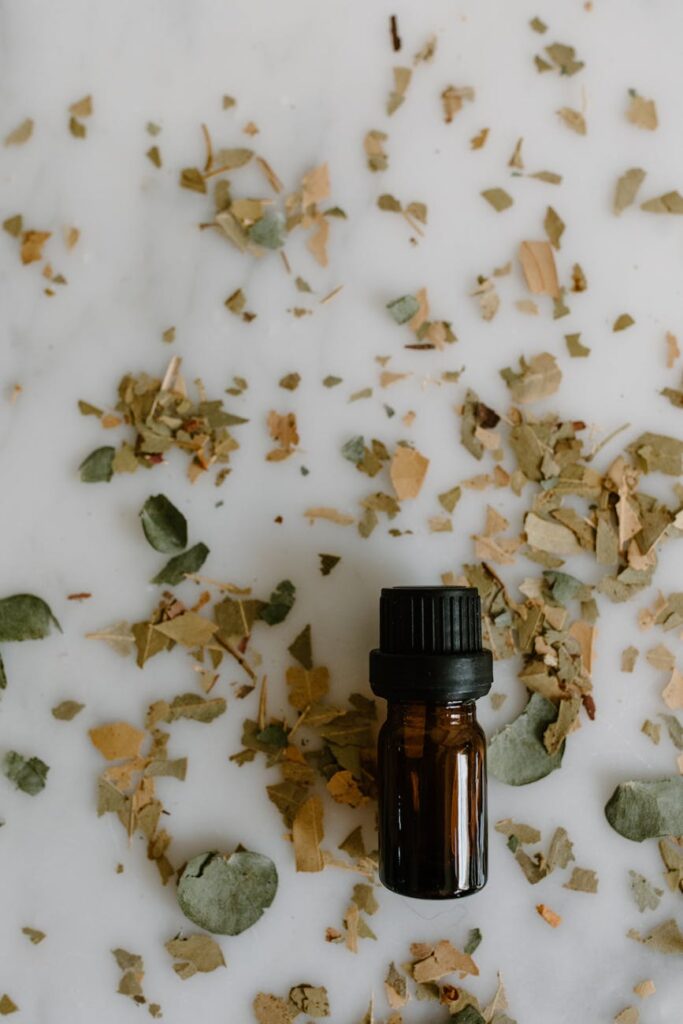
Aromatherapy Uses of Hydrodistillation Techniques
Introduction
Aromatherapy, the practice of using essential oils extracted from plants for therapeutic purposes, has gained significant popularity in recent years. Among the various methods of extracting these oils, hydrodistillation is one of the most effective and widely used techniques. This article explores hydrodistillation, its benefits, applications in aromatherapy, and essential considerations for safe use and storage.
What Is Hydrodistillation Techniques?
Hydrodistillation is a method of essential oil extraction that involves the use of water and steam to separate volatile compounds from plant materials. This technique is particularly effective for extracting oils from aromatic plants, herbs, and flowers.
How It Works
In hydrodistillation, the plant material is placed in a still, which contains water. The water is heated to produce steam, which rises through the plant material. As the steam passes through, it carries the volatile compounds with it. The steam and essential oil mixture is then condensed back into liquid form, where the oil can be separated from the water.
Historical Context
Historically, hydrodistillation has been used for centuries, with roots dating back to ancient civilizations. The method gained prominence in the 19th century when advancements in distillation technology allowed for more efficient extraction. Today, it remains one of the most common methods for producing essential oils.
Key Benefits and Properties
Hydrodistillation offers several advantages, making it a preferred method for essential oil extraction:
1. Purity of Oil: This method results in high-quality essential oils that retain the natural properties of the plant, preserving their aroma and therapeutic characteristics.
2. Efficiency: Hydrodistillation can extract essential oils from a variety of plant materials, including leaves, flowers, and roots, making it a versatile technique.
3. Minimal Chemical Influence: Unlike some extraction methods that involve solvents or chemicals, hydrodistillation relies solely on water and steam, ensuring that the oils remain free from harmful residues.
4. Environmental Impact: The use of renewable resources (water and plant materials) and the potential for energy-efficient processes contribute to a lower environmental impact compared to synthetic extraction methods.
Common Uses
Hydrodistillation is utilized in various industries, including:
- Cosmetics and Personal Care: Essential oils extracted through hydrodistillation are widely used in perfumes, lotions, and soaps for their aromatic properties.
- Food and Beverage: Some essential oils are used as flavoring agents in culinary applications, enhancing the sensory experience of food and beverages.
- Household Products: The cleaning and fragrance industries often incorporate hydrodistilled essential oils in their formulations for natural scents and antibacterial properties.
- Pharmaceuticals: While not providing medical advice, it is worth noting that some essential oils may be included in formulations for their aromatic qualities.
Aromatherapy Applications
In aromatherapy, hydrodistilled essential oils are employed for various purposes, including:
1. Relaxation and Stress Relief: Oils such as lavender and chamomile, known for their calming effects, are commonly used in diffusers, baths, and massage oils to promote relaxation.
2. Invigoration and Energy Boost: Citrus oils like bergamot and lemon can uplift mood and enhance focus, making them popular in workspace environments.
3. Sleep Aid: Essential oils like cedarwood and valerian are often used in sleep blends to create a soothing atmosphere conducive to restful sleep.
4. Mood Enhancement: Oils such as rose and ylang-ylang are celebrated for their ability to enhance mood and emotional well-being, making them suitable for personal care products and diffusers.
5. Respiratory Support: Certain oils, like eucalyptus and peppermint, are favored for their invigorating properties and are often incorporated into steam inhalations or chest rubs.
Safety Considerations
While hydrodistilled essential oils can offer numerous benefits, it is essential to use them safely:
1. Dilution: Essential oils should be diluted in carrier oils when used on the skin to avoid irritation. A general guideline is to use a 1-5% dilution depending on the oil and the individual’s sensitivity.
2. Allergy Testing: Conduct a patch test before using a new essential oil to ensure there are no allergic reactions or sensitivities.
3. Pregnancy and Nursing: Pregnant or nursing individuals should consult a qualified professional before using essential oils, as some oils may not be safe during these periods.
4. Medical Conditions: Individuals with medical conditions or those taking medications should seek professional advice regarding the use of essential oils to avoid potential interactions.
5. Children and Pets: Some essential oils can be harmful to children and pets. It is vital to research and exercise caution when using oils around them.
Storage and Shelf Life
Proper storage of hydrodistilled essential oils is crucial for maintaining their quality:
1. Containers: Essential oils should be stored in dark glass bottles to protect them from light, which can degrade the oil over time.
2. Temperature: Keep oils in a cool, dry place away from direct sunlight and heat sources to prolong their shelf life.
3. Shelf Life: The shelf life of essential oils varies depending on the type. Citrus oils typically have a shorter shelf life (1-2 years), while oils like patchouli and sandalwood can last longer (up to 10 years) when stored correctly.
4. Signs of Degradation: Be aware of changes in aroma, consistency, or color, which may indicate that the oil has degraded and should not be used.
Frequently Asked Questions
What is the difference between hydrodistillation and steam distillation?
Hydrodistillation uses both water and steam for extraction, while steam distillation relies solely on steam. Hydrodistillation can be gentler on delicate plant materials, making it suitable for extracting oils from flowers.
Can I use hydrodistilled essential oils in cooking?
Some hydrodistilled essential oils are suitable for culinary use, but it is essential to ensure they are food-grade and safe for consumption. Always check with a knowledgeable source before using essential oils in food.
How can I incorporate hydrodistilled essential oils into my daily routine?
You can add hydrodistilled essential oils to diffusers, bath products, massage oils, or homemade cleaning solutions. Always remember to follow safety guidelines for dilution and usage.
Are all essential oils extracted through hydrodistillation?
No, not all essential oils are extracted through hydrodistillation. Other methods include cold pressing, solvent extraction, and CO2 extraction, each with its own characteristics and benefits.
Where can I find high-quality hydrodistilled essential oils?
Look for reputable suppliers who provide information about their extraction methods, sourcing, and quality testing to ensure you are purchasing high-quality hydrodistilled essential oils.
Conclusion
Hydrodistillation remains a cornerstone of essential oil extraction, offering a natural and effective way to harness the aromatic properties of plants. With a rich history and a wide range of applications in aromatherapy, understanding this technique can enhance your appreciation for essential oils and their potential benefits. By following safety guidelines and proper storage practices, you can enjoy the myriad of aromatic experiences that hydrodistilled essential oils have to offer.