
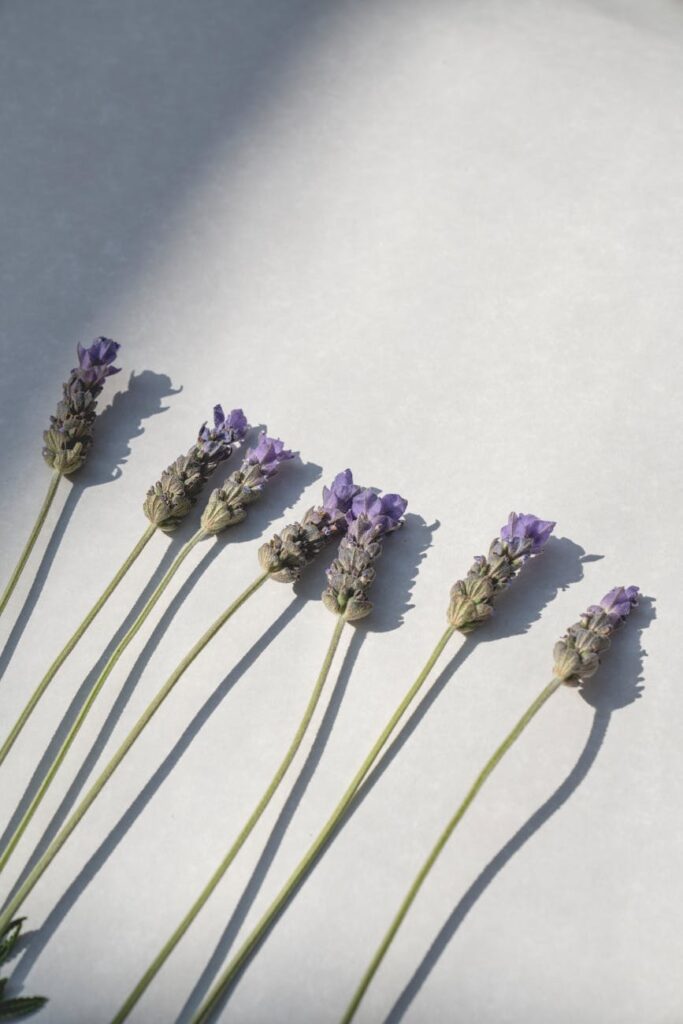
Aromatherapy Uses of Hydrosols
Introduction
Aromatherapy, a holistic practice that utilizes the therapeutic properties of essential oils, has gained widespread popularity over the years. However, an often-overlooked component of this field is hydrosols. These aromatic waters, derived from the distillation process of plants, offer a gentler alternative to essential oils, making them accessible for various applications. This article will explore the nature of hydrosols, their benefits, common uses, applications in aromatherapy, safety considerations, storage recommendations, and frequently asked questions.
What Is Hydrosols?
Hydrosols, also known as flower waters or herbal distillates, are the byproducts of steam distilling plant materials to extract essential oils. During this process, steam passes through the plant, capturing volatile compounds and essential oils. Upon cooling, the steam condenses back into water, resulting in a liquid that retains the plant’s aromatic and therapeutic properties in a diluted form.
Hydrosols contain a small percentage of essential oil along with water-soluble components, making them less concentrated than their essential oil counterparts. This unique composition allows hydrosols to possess aromatic qualities and therapeutic benefits, albeit in a milder form. Common examples of hydrosols include rose, lavender, chamomile, and peppermint.
Key Benefits and Properties
Hydrosols offer various benefits and properties that make them suitable for both everyday use and therapeutic applications. Some of their key attributes include:
1. Milder Aroma
Due to their lower concentration of essential oils, hydrosols have a subtler scent, making them ideal for individuals sensitive to strong fragrances.
2. Skin-Friendly
Hydrosols are generally safe for topical application and can be used directly on the skin, making them suitable for various skin types, including sensitive skin.
3. Hydrating Properties
Many hydrosols possess hydrating properties, providing moisture to the skin and helping to balance its natural oils.
4. Antimicrobial Properties
Certain hydrosols exhibit antimicrobial properties, making them beneficial for cleansing and purifying purposes.
5. Calming and Soothing Effects
Many hydrosols, such as lavender and chamomile, are known for their calming properties, providing a sense of relaxation and tranquility.
Common Uses
Hydrosols have a wide range of applications due to their versatile nature. Here are some common uses:
1. Facial Toners
Hydrosols can be applied as facial toners to help balance skin pH and minimize the appearance of pores. They are often used in skincare routines for their soothing and hydrating effects.
2. Room Fresheners
Hydrosols can serve as natural air fresheners when sprayed in living spaces, providing a pleasant aroma without the intensity of essential oils.
3. Bath Enhancements
Adding hydrosols to baths can create a relaxing and aromatic experience, enhancing the overall bathing ritual.
4. Hair Care
Hydrosols like rosemary and peppermint may be used in hair care products, providing nourishment and a refreshing scent.
5. Culinary Uses
Certain hydrosols, such as rose and orange blossom, can be used in culinary applications to flavor desserts and beverages.
Aromatherapy Applications
Hydrosols can be effectively integrated into aromatherapy practices. Here are a few ways to incorporate them:
1. Diffusion
While hydrosols are not typically used in diffusers like essential oils, they can be sprayed into the air to create a fragrant atmosphere. This method is particularly suitable for those sensitive to strong scents.
2. Inhalation
For calming effects, hydrosols can be inhaled directly from the bottle or sprayed onto a handkerchief to promote relaxation and alleviate stress.
3. Skin Care Rituals
Incorporating hydrosols into daily skincare routines can enhance their benefits. For example, spritzing a hydrosol onto the face after cleansing can provide hydration and soothing effects.
4. Meditation and Relaxation
Hydrosols can be sprayed in meditation spaces or personal retreats to create a serene environment conducive to relaxation and mindfulness.
5. Massage
Diluted hydrosols can be used in massage oils, providing a gentle scent and added therapeutic properties during the massage experience.
Safety Considerations
While hydrosols are generally considered safe for use, it is essential to keep the following safety considerations in mind:
1. Skin Sensitivity
Although hydrosols are gentle, it is advisable to conduct a patch test before applying them to larger skin areas. This helps ensure that no adverse reactions occur.
2. Dilution
While hydrosols are less concentrated than essential oils, they should still be used appropriately. Some hydrosols may require dilution, particularly for sensitive skin or specific applications.
3. Quality Source
It is crucial to purchase hydrosols from reputable suppliers to ensure that they are pure, organic, and free from additives or preservatives.
4. Storage
Proper storage is vital for maintaining the quality of hydrosols. They should be kept in a cool, dark place and away from direct sunlight.
Storage and Shelf Life
Hydrosols typically have a shorter shelf life than essential oils due to their water content. Here are some guidelines for storage:
1. Containers
Store hydrosols in dark glass bottles to protect them from light degradation. This helps preserve their aromatic and therapeutic qualities.
2. Refrigeration
For optimal longevity, some hydrosols can be refrigerated. This is particularly beneficial for hydrosols that are more susceptible to microbial growth.
3. Shelf Life
The shelf life of hydrosols generally ranges from 6 months to 2 years, depending on the type and storage conditions. It is advisable to check for any changes in smell, color, or clarity, which may indicate spoilage.
Frequently Asked Questions
1. Can hydrosols be ingested?
While some hydrosols are safe for culinary use, it is essential to consult with a qualified expert before ingesting any hydrosol.
2. Are hydrosols safe for children and pets?
Many hydrosols are considered safe for children and pets, but it is crucial to consult with a knowledgeable practitioner to ensure appropriate use.
3. How do I choose the right hydrosol?
Selecting a hydrosol depends on your intended use. For instance, choose rose hydrosol for its soothing properties or lavender hydrosol for its calming effects.
4. Can I mix different hydrosols?
Yes, hydrosols can be blended to create unique aromatic experiences. Experimenting with different combinations can yield delightful results.
5. Do hydrosols have an expiration date?
Yes, hydrosols have a limited shelf life. It is advisable to use them within their recommended timeframe and conduct regular checks for any changes in quality.
Conclusion
Hydrosols represent a valuable component of the aromatherapy toolkit, offering a range of benefits and applications without the intensity of essential oils. Their versatility allows for numerous uses in skincare, room ambiance, and holistic practices. By understanding their properties, benefits, and proper usage, individuals can harness the power of hydrosols to enhance their aromatherapy experiences safely and effectively.