
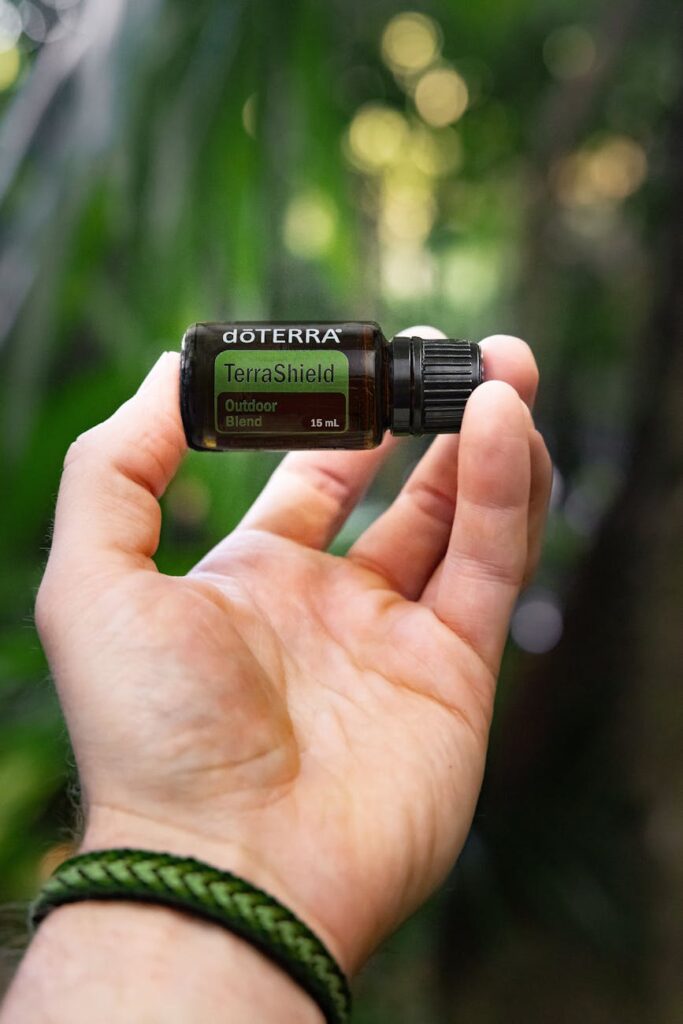
Aromatherapy Uses of Immune Support Blends
Introduction
In recent years, the interest in holistic health practices has surged, with many individuals seeking natural alternatives to support their well-being. Among these alternatives, aromatherapy has gained prominence for its potential therapeutic properties. One of the most sought-after applications of aromatherapy is the use of immune support blends. These blends leverage the natural properties of essential oils to help maintain a healthy immune system. This article will delve into what immune support blends are, their key benefits, common uses, and safe application methods.
What Is Immune Support Blends?
Immune support blends consist of a combination of essential oils that are believed to enhance the body’s immune response and promote overall health. These blends typically include oils known for their antimicrobial, antiviral, and anti-inflammatory properties. The formulation of such blends can vary widely, depending on the desired effects and the specific oils used. Common ingredients in immune support blends include eucalyptus, tea tree, lavender, and lemon, among others.
The synergy of these oils is thought to amplify their individual benefits, creating a holistic approach to immune support. While essential oils have long been used in traditional medicine and wellness practices, modern research is beginning to explore their potential in supporting immune health.
Key Benefits and Properties
The key benefits of immune support blends stem from the unique properties of the essential oils they contain. Here are some of the primary benefits associated with these blends:
- Antimicrobial Action: Many essential oils possess natural antimicrobial properties, which can help combat infections and boost the body’s defenses against pathogens.
- Anti-inflammatory Effects: Certain oils are known to reduce inflammation, potentially aiding in the prevention of chronic illnesses and supporting overall immune function.
- Stress Reduction: Aromatherapy is widely recognized for its ability to promote relaxation and reduce stress. Chronic stress can weaken the immune system, so using essential oils that promote calmness can indirectly support immune health.
- Air Purification: Some essential oils have purifying properties that may help cleanse the air and reduce airborne pathogens, thereby creating a healthier living environment.
- Enhanced Circulation: Oils like rosemary and ginger are believed to stimulate circulation, which can support the body’s natural detoxification processes and enhance overall health.
- Fill the diffuser with water according to the manufacturer’s instructions.
- Add 5-10 drops of the immune support blend.
- Turn on the diffuser and enjoy the aromatic benefits while the oils disperse into the air.
- Mix the essential oil blend with a carrier oil.
- Perform a patch test on a small area of skin to check for any adverse reactions.
- If safe, gently massage the oil onto areas of concern, such as the chest or wrists.
- Boil water and pour it into a heatproof bowl.
- Add 2-3 drops of the immune support blend to the hot water.
- Lean over the bowl, covering your head with a towel to trap the steam, and inhale deeply for several minutes.
- Fill the bathtub with warm water.
- Combine 5-10 drops of the essential oil blend with a carrier oil or milk to help disperse the oils in the water.
- Stir the mixture into the bath and soak for at least 20 minutes.
- Combine 1 cup of water, 1 cup of white vinegar, and 10-15 drops of your chosen immune support blend in a spray bottle.
- Shake well before each use and spray on surfaces to disinfect.
- Dilution: Always dilute essential oils before topical application to minimize the risk of skin irritation or sensitization.
- Allergies: Perform a patch test on a small area of skin before using a new essential oil to ensure there are no allergic reactions.
- Pregnancy and Nursing: Pregnant or nursing individuals should consult with a healthcare professional before using essential oils, as some oils may not be safe during these periods.
- Children and Pets: Certain essential oils may not be suitable for young children or pets. Research specific oils and consult a professional if unsure.
- Quality of Oils: Ensure that you are using high-quality, pure essential oils from reputable sources, as synthetic or adulterated oils may not provide the desired benefits and can be harmful.
- Keep Away from Light: Store essential oils in dark glass bottles to protect them from light, which can degrade their quality.
- Cool Environment: Store oils in a cool, dry place to prevent them from overheating and losing their therapeutic properties.
- Tightly Sealed: Ensure that the bottles are tightly sealed to prevent evaporation and contamination.
Common Uses
Immune support blends can be utilized in various settings and for a multitude of purposes. Here are some common uses:
1. Diffusion: Using a diffuser to disperse essential oils into the air is a popular method for enjoying the benefits of immune support blends. This can help purify the air and create a calming atmosphere.
2. Topical Application: Diluting essential oils in a carrier oil (such as coconut or jojoba oil) and applying them to the skin can be an effective way to harness their benefits. This is particularly useful for localized support, like chest rubs during cold seasons.
3. Inhalation: Inhaling essential oils directly from the bottle or from a tissue can provide immediate benefits. This method is often employed for quick relief and emotional support.
4. Bathing: Adding a few drops of immune support blends to a warm bath can create a soothing experience that promotes relaxation and wellness.
5. Household Cleaning: Many immune support oils have antibacterial properties, making them excellent additions to homemade cleaning products.
Aromatherapy Applications
Incorporating immune support blends into daily routines can be achieved through various aromatherapy applications. Here are some effective methods:
1. Diffusers
Using an essential oil diffuser is one of the simplest ways to disperse immune support blends throughout a room. To use a diffuser:
2. Topical Application
To apply essential oils topically, it is crucial to dilute them in a carrier oil to prevent skin sensitivity. A common dilution ratio is 2-3 drops of essential oil per teaspoon of carrier oil. Here’s how to apply:
3. Steam Inhalation
Steam inhalation can provide quick relief and support. To perform steam inhalation:
4. Bathing Rituals
Creating an aromatic bathing experience can enhance relaxation and wellness. To use immune support blends in a bath:
5. Creating Household Products
Immune support oils can be incorporated into homemade cleaning products. For a simple all-purpose cleaner:
Safety Considerations
While essential oils can provide numerous benefits, it is essential to use them safely. Here are some important safety considerations:
Storage and Shelf Life
Proper storage of essential oils is crucial to maintain their potency and effectiveness. Here are some tips for storage:
The shelf life of essential oils can vary, but most oils last between 1 to 3 years when stored correctly. Citrus oils tend to have a shorter shelf life, while oils like sandalwood and patchouli can last much longer.
Frequently Asked Questions
1. Can I use immune support blends every day?
Yes, many individuals incorporate immune support blends into their daily routines. However, it is advisable to monitor your body’s response and adjust usage as needed.
2. Are there specific blends recommended for seasonal changes?
Blends that include eucalyptus, peppermint, and tea tree oil are commonly sought after during seasonal changes, as they are believed to support respiratory health.
3. Can children use immune support blends?
Children can use essential oils, but it is essential to dilute them properly and choose oils that are safe for their age group. Always consult a professional before use.
4. How do I know if an essential oil is pure?
Look for essential oils labeled as 100% pure, and check for certifications from reputable organizations. Avoid oils with synthetic additives or fragrances.
5. Can I ingest essential oils?
Ingesting essential oils is not generally recommended without the guidance of a qualified healthcare practitioner. Many oils can be toxic if consumed improperly.
Conclusion
Aromatherapy and the use of immune support blends offer a natural approach to enhancing well-being. By understanding the properties of essential oils and how to safely incorporate them into daily life, individuals can create a holistic support system for their immune health. As interest in natural wellness continues to grow, the exploration of essential oils will likely remain a vital part of holistic health practices.