
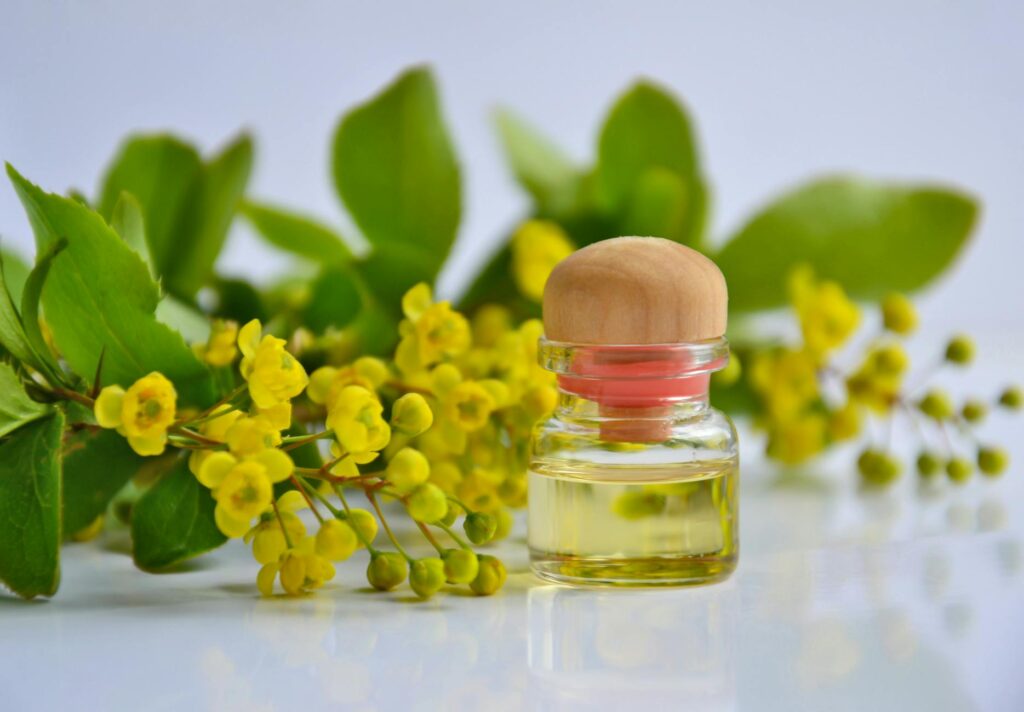
Aromatherapy Uses of Infused Oils
Introduction
Aromatherapy, an ancient practice that harnesses the power of essential oils, has gained significant popularity in contemporary wellness and holistic health circles. Among the various types of oils used in this practice, infused oils offer a unique and versatile option. This article explores the concept of infused oils, their benefits, common applications, and safety considerations, providing a comprehensive overview for those interested in integrating them into their aromatic practices.
What Are Infused Oils?
Infused oils are carrier oils that have been enriched with the properties of herbs, flowers, or other botanicals. The infusion process involves steeping plant material in a carrier oil, allowing the beneficial compounds, fragrances, and flavors of the botanicals to be absorbed. Common carrier oils include olive oil, jojoba oil, almond oil, and grapeseed oil, each contributing its own unique properties to the infusion.
The infusion process can be performed through various methods, including cold infusion, which involves allowing the plant material to sit in the oil for an extended period, or hot infusion, which speeds up the process by gently heating the mixture. The result is a fragrant and therapeutic oil that can be used in various applications, particularly in aromatherapy.
Key Benefits and Properties
Infused oils carry several inherent benefits, largely derived from the plant materials used during the infusion process.
1. Therapeutic Properties: Depending on the botanicals chosen, infused oils can offer a range of therapeutic benefits. For instance, lavender-infused oil may promote relaxation, while rosemary-infused oil might invigorate the senses.
2. Enhanced Aroma: The infusion process intensifies the scent of the carrier oil, making it a delightful addition to aromatherapy routines.
3. Skin Nourishment: Many infused oils possess moisturizing and nourishing properties, making them suitable for topical applications. They can help soothe dry skin, promote healthy skin regeneration, and provide a gentle, aromatic massage experience.
4. Versatility: Infused oils can be used alone or blended with essential oils to create customized aromatic experiences. Their versatility makes them suitable for various applications, from personal care products to home fragrance solutions.
Common Uses
Infused oils can be utilized in numerous ways, appealing to both aromatherapy enthusiasts and those seeking natural alternatives for personal care. Some common uses include:
1. Massage Oils: Infused oils make excellent bases for massage blends, combining their nourishing properties with the therapeutic benefits of essential oils, enhancing the overall experience.
2. Skincare Products: They can be incorporated into lotions, creams, and salves, providing hydration and nourishment to the skin.
3. Hair Care: Infused oils can be used as hair treatments to condition and nourish the hair and scalp, enhancing shine and manageability.
4. Home Fragrance: When used in oil diffusers or as part of potpourri, infused oils can create delightful and inviting aromas in living spaces.
5. Cooking and Culinary Uses: Certain infused oils, such as garlic or herb-infused olive oils, can enhance the flavor of dishes and contribute to a culinary experience.
Aromatherapy Applications
In aromatherapy, infused oils serve as a crucial component, providing a range of applications that can enhance wellness and relaxation:
1. Diffusion: Infused oils can be added to diffusers to create a soothing atmosphere. The gentle aroma can help alleviate stress and promote a sense of calm.
2. Topical Application: When diluted appropriately, infused oils can be applied directly to the skin for localized benefits. They can be used in massage, skincare, and even as part of a bath ritual.
3. Inhalation: For an immediate aromatic experience, infused oils can be inhaled directly or added to steam inhalation sessions. This method can help uplift the mood or provide a sense of clarity.
4. Blending with Essential Oils: Infused oils can be blended with essential oils, enhancing their therapeutic properties. For example, a lavender-infused oil combined with pure lavender essential oil can create a calming synergy.
5. Meditation and Mindfulness Practices: The use of infused oils in meditation can enhance the experience, aiding in relaxation and focus. A few drops of a calming infused oil can be used on a meditation pillow or in a diffuser during practice.
Safety Considerations
While infused oils are generally considered safe for use, it is important to observe certain precautions:
1. Allergies: Individuals should be aware of any allergies or sensitivities to specific botanicals used in the infusion. A patch test is recommended before applying any new oil to the skin.
2. Quality of Ingredients: The quality of both the carrier oil and the botanical material is crucial. It is advisable to use organic, high-quality ingredients to avoid potential contaminants.
3. Dilution: When using infused oils for topical application, especially if they are blended with essential oils, proper dilution guidelines should be followed to prevent skin irritation.
4. Pregnancy and Medical Conditions: Pregnant individuals, those with specific medical conditions, or those taking medication should consult a healthcare professional before using infused oils, especially in concentrated forms.
5. Not for Internal Use: Infused oils are primarily intended for external use and should not be ingested unless specifically labeled for culinary purposes.
Storage and Shelf Life
Proper storage of infused oils is essential to maintain their quality and effectiveness:
1. Dark Glass Containers: Infused oils should be stored in dark glass bottles to protect them from light, which can degrade the oil over time.
2. Cool, Dry Place: It is best to store infused oils in a cool, dry place away from direct sunlight and heat sources.
3. Shelf Life: The shelf life of infused oils varies depending on the carrier oil and the botanicals used. Generally, infused oils can last from six months to one year when stored properly. Signs of spoilage include a rancid smell or changes in texture.
Frequently Asked Questions
1. How can I make my own infused oils?
To make your own infused oils, choose a carrier oil and desired botanicals. Combine them in a clean jar, cover, and let the mixture sit in a warm, dark place for several weeks, shaking occasionally. Strain out the plant material once the desired aroma is achieved.
2. Can I use infused oils in cooking?
Yes, some infused oils, particularly those made with culinary herbs or flavors, can be used in cooking. Ensure that the infused oil is made with food-safe ingredients and stored properly.
3. How do I choose the right infused oil for my needs?
Consider your specific needs and preferences. Research the properties of different botanicals and choose an infused oil that aligns with your desired outcome, whether it be relaxation, energy, or skincare benefits.
4. Are infused oils the same as essential oils?
No, infused oils are carrier oils enriched with botanical properties, while essential oils are highly concentrated extracts of aromatic plants. Infused oils can be a base for essential oil blends but do not have the same potency.
5. Can I use infused oils in a diffuser?
Yes, infused oils can be used in a diffuser. However, it is advisable to blend them with essential oils for a more significant aromatic experience. Always follow the manufacturer’s guidelines for your specific diffuser model.
Conclusion
Infused oils represent a unique and versatile aspect of aromatherapy, bridging the gap between the nourishing properties of carrier oils and the aromatic benefits of botanicals. Their myriad applications make them valuable additions to wellness practices, from skincare routines to home fragrance. By understanding their benefits, uses, and safety considerations, individuals can confidently explore the enriching world of infused oils in their aromatic journeys.