
Aromatherapy Uses of Kukui Nut Oil
Introduction
Aromatherapy is a holistic healing practice that utilizes the natural properties of essential oils and carrier oils to promote physical, emotional, and mental wellness. Among the diverse array of carrier oils available, kukui nut oil stands out due to its unique composition and beneficial properties. This article explores kukui nut oil, its key benefits, common uses, and its role in aromatherapy, alongside important safety considerations and storage recommendations.
What Is Kukui Nut Oil?
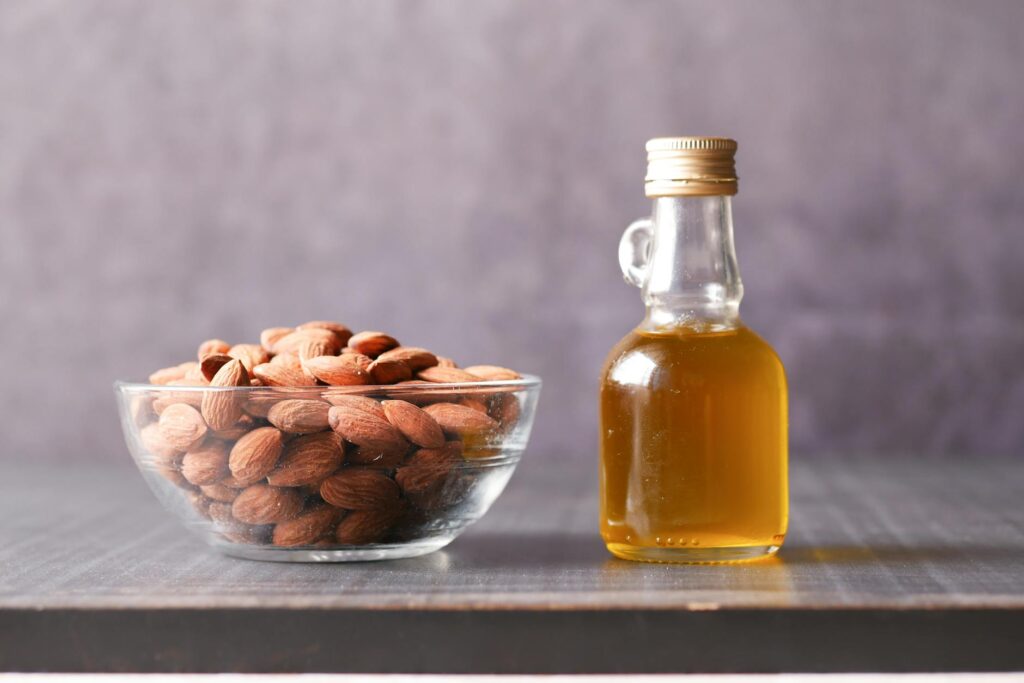
Kukui nut oil, also known as Aleurites molucanna oil, is derived from the nuts of the kukui tree, which is native to Hawaii and other tropical regions of the Pacific. The oil is extracted through cold-pressing the nuts, resulting in a light, non-greasy oil that is rich in essential fatty acids, antioxidants, and vitamins. Traditionally, kukui nut oil has been used by the native Hawaiian population for various purposes, including skin care, hair care, and overall wellness.
Key Benefits and Properties
Kukui nut oil boasts several key benefits and properties that make it an appealing option for both topical application and incorporation into aromatherapy practices:
1. Moisturizing: The oil is known for its ability to deeply hydrate the skin without leaving a greasy residue. It is particularly beneficial for dry, flaky skin.
2. Nourishing: Rich in essential fatty acids, including oleic and linoleic acids, kukui nut oil helps to nourish and restore the skin’s natural barrier.
3. Antioxidant Properties: The oil contains antioxidants like vitamins A, C, and E, which can help combat free radicals and protect the skin from environmental stressors.
4. Anti-Inflammatory: Kukui nut oil has been reported to possess anti-inflammatory properties, which can assist in soothing irritated or inflamed skin.
5. Emollient: Its emollient properties make it an excellent choice for softening and soothing the skin, making it a popular ingredient in lotions and creams.
6. Lightweight Texture: The oil’s lightweight and non-greasy nature allows for easy absorption, making it suitable for various skin types, including oily and combination skin.
Common Uses
Kukui nut oil has a wide range of applications, making it a versatile addition to personal care routines and wellness practices:
1. Skin Care: It is commonly used in moisturizers, serums, and creams to hydrate and nourish the skin. Its anti-inflammatory properties can also help alleviate conditions like eczema and psoriasis.
2. Hair Care: Kukui nut oil is often added to shampoos and conditioners for its ability to moisturize and strengthen hair. It can help reduce frizz and enhance shine.
3. Massage Oil: Due to its smooth texture and skin-nourishing properties, kukui nut oil is frequently used as a massage oil, promoting relaxation and skin health.
4. Sunscreen: While kukui nut oil does not replace sunscreen, its antioxidant properties may provide additional support for the skin when exposed to sunlight.
5. Lip Care: The oil can be used in lip balms and treatments to provide hydration and protection against chapping.
Aromatherapy Applications
In the realm of aromatherapy, kukui nut oil serves as an excellent carrier oil, allowing essential oils to be safely diluted for topical application or diffused into the air. Here are some common applications:
1. Dilution for Essential Oils: When blending essential oils for topical use, kukui nut oil can be an effective carrier due to its nourishing properties. A typical dilution ratio is 1-2 drops of essential oil per teaspoon of kukui nut oil.
2. Aromatherapy Massage: Combining kukui nut oil with essential oils such as lavender, chamomile, or eucalyptus can enhance the benefits of a massage, promoting relaxation and stress relief.
3. Skin Aromatherapy: For enhancing skin health, essential oils like tea tree or frankincense can be mixed with kukui nut oil, targeting specific skin concerns while providing hydration.
4. Bath Oil: Adding kukui nut oil to a warm bath can create a soothing experience. Blending it with calming essential oils like bergamot or ylang-ylang can enhance relaxation.
5. DIY Products: Kukui nut oil can be incorporated into homemade body scrubs, lotions, and perfumes, providing a nourishing base while allowing for customization with various essential oils.
Safety Considerations
While kukui nut oil is generally considered safe for topical use, there are a few important safety considerations to keep in mind:
1. Patch Test: It is advisable to perform a patch test before applying kukui nut oil or any blends containing it to ensure there are no adverse reactions. Apply a small amount to a discreet area and wait 24 hours to check for sensitivity.
2. Allergies: Individuals with nut allergies should exercise caution and consult a healthcare professional before using kukui nut oil.
3. Pregnancy and Nursing: Pregnant or nursing individuals should consult a healthcare provider before using kukui nut oil or any essential oils.
4. Quality of Oil: Ensure that you are using high-quality, cold-pressed kukui nut oil from a reputable source to guarantee its purity and effectiveness.
5. Storage: Store kukui nut oil in a cool, dark place to preserve its beneficial properties and prevent oxidation.
Storage and Shelf Life
Kukui nut oil has a shelf life of approximately 12 to 24 months when stored properly. To maintain its quality:
1. Keep It Cool: Store the oil in a cool, dark place, away from direct sunlight and heat sources.
2. Use Dark Glass Containers: If possible, store kukui nut oil in dark glass bottles to protect it from light exposure, which can lead to deterioration.
3. Check for Rancidity: Before use, always check the oil for any off-odors or changes in consistency, which may indicate rancidity.
Frequently Asked Questions
1. Can kukui nut oil be used on all skin types?
Kukui nut oil is generally suitable for all skin types, including oily and sensitive skin, due to its lightweight and non-comedogenic nature.
2. Is kukui nut oil safe for children?
Kukui nut oil is typically safe for children, but it is advisable to consult a healthcare professional before use, especially for younger children or those with known allergies.
3. How should I incorporate kukui nut oil into my skincare routine?
Kukui nut oil can be applied directly to the skin or mixed with other products, such as moisturizers and serums, to enhance hydration and nourishment.
4. Can kukui nut oil be ingested?
While kukui nut oil is primarily used for external applications, it is best to consult a qualified professional before considering ingestion.
5. Does kukui nut oil have a scent?
Kukui nut oil has a mild, nutty aroma that is subtle and pleasant, making it a suitable carrier oil for blending with various essential oils.
Conclusion
Kukui nut oil is a remarkable carrier oil with a range of benefits and applications in aromatherapy and personal care. Its nourishing, moisturizing, and antioxidant properties make it a valuable addition to any holistic wellness routine. When used appropriately and stored correctly, kukui nut oil can enhance skin health, promote relaxation, and offer a versatile base for blending with essential oils. As with all natural products, it is essential to practice mindfulness and safety to maximize the benefits while minimizing any risks.