
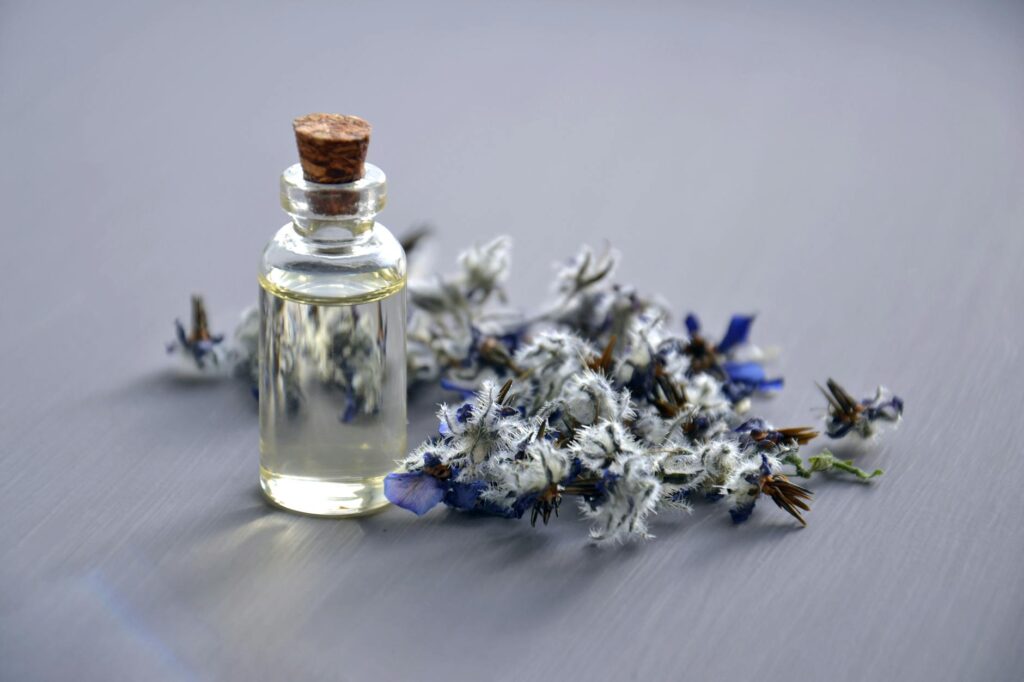
Aromatherapy Uses of Lavender Hydrosols
Introduction
Lavender (Lavandula angustifolia) is one of the most beloved and versatile plants in the world of aromatherapy. Its soothing aroma and myriad uses have made it a staple in holistic practices for centuries. Among the various lavender products available, lavender hydrosol stands out as a gentle and effective option for both therapeutic and everyday applications. This article delves into lavender hydrosols, exploring their properties, benefits, uses, and safety considerations in the realm of aromatherapy.
What Is Lavender Hydrosols?
Lavender hydrosol, also known as lavender floral water, is a byproduct of the steam distillation process used to extract essential oils from lavender flowers. During this process, steam passes through the plant material, capturing the aromatic compounds. Once the steam cools and condenses, it separates into two components: the essential oil and the hydrosol. The hydrosol retains a small quantity of essential oil along with water-soluble aromatic compounds, making it much gentler than pure essential oils.
Due to its lower concentration of active compounds, lavender hydrosol is suitable for a wider range of applications, including those for individuals with sensitive skin or those seeking a milder alternative to essential oils.
Key Benefits and Properties
Lavender hydrosol boasts an array of beneficial properties, making it a popular choice in various applications. Some of its key characteristics include:
- Calming and Relaxing: Known for its soothing scent, lavender is often used to promote relaxation and reduce stress. The hydrosol maintains these calming properties, making it ideal for use in anxiety-reducing rituals.
- Antiseptic and Anti-inflammatory: Lavender has natural antiseptic and anti-inflammatory properties, which can aid in soothing minor skin irritations and promoting skin health.
- Balancing: Lavender hydrosol is often described as balancing. It can help regulate oil production in the skin, making it suitable for both dry and oily complexions.
- Cooling and Refreshing: The hydrosol can provide a cooling sensation, making it a refreshing option for hot days or after workouts.
- Facial Toner: It can be used as a natural facial toner to help balance skin pH and soothe irritation.
- Room Spray: Lavender hydrosol can be sprayed in living spaces to create a calming atmosphere, perfect for relaxation or meditation.
- Body Mist: A light mist of lavender hydrosol can be refreshing on the skin, especially during hot weather.
- Hair Rinse: It can be used as a final rinse after shampooing to help promote a healthy scalp and add shine to hair.
- Bath Additive: Adding lavender hydrosol to bathwater can enhance relaxation and provide a pleasant aroma.
- Diffusion: While traditional essential oils are commonly used in diffusers, lavender hydrosol can also be added to water in ultrasonic diffusers, enriching the room with its calming scent.
- Massage: When diluted with a carrier oil, lavender hydrosol can be used in massage therapy to enhance relaxation and soothe sore muscles.
- Meditation: Incorporating lavender hydrosol into meditation routines can help create a serene environment, aiding in mindfulness and focus.
- Sleep Aid: Spraying lavender hydrosol on pillows or bedding can promote relaxation and improve sleep quality, making it a favored choice for bedtime rituals.
- Patch Test: Before applying lavender hydrosol to the skin, it is advisable to conduct a patch test on a small area to check for any allergic reactions or sensitivities.
- Avoiding Sensitive Areas: While lavender hydrosol is gentle, it is best to avoid contact with the eyes and mucous membranes.
- Pregnancy and Nursing: Although lavender is generally regarded as safe, it is recommended that pregnant or nursing individuals consult with a healthcare professional before using lavender hydrosol.
- Children: Lavender hydrosol is often considered safe for children, but it is advisable to use it in moderation and consult a pediatrician if there are any concerns.
- Containers: Store lavender hydrosol in dark glass bottles to protect it from light exposure, which can degrade its quality.
- Temperature: Keep it in a cool, dark place, away from direct sunlight and heat sources.
- Shelf Life: Generally, lavender hydrosol has a shelf life of 1 to 2 years, depending on storage conditions. However, it is essential to observe any changes in color, smell, or consistency, as these may indicate spoilage.
Common Uses
Lavender hydrosol can be incorporated into various aspects of daily life, including:
Aromatherapy Applications
Lavender hydrosol can be utilized in various aromatherapy practices, including:
Safety Considerations
While lavender hydrosol is generally considered safe for most individuals, it is essential to keep a few safety considerations in mind:
Storage and Shelf Life
To preserve the quality and effectiveness of lavender hydrosol, proper storage is crucial:
Frequently Asked Questions
1. How does lavender hydrosol differ from lavender essential oil?
Lavender hydrosol is a diluted form of lavender, containing lower concentrations of aromatic compounds compared to lavender essential oil. It is gentler on the skin and can be safely used in a wider variety of contexts.
2. Can lavender hydrosol be ingested?
Lavender hydrosol is primarily intended for external use, and while some people may choose to use it in culinary applications, it is essential to ensure that the product is food-grade and consult a knowledgeable source for guidance.
3. Is lavender hydrosol suitable for all skin types?
Lavender hydrosol is generally well-tolerated by most skin types, including sensitive skin. However, it is always advisable to perform a patch test prior to widespread use.
4. How can I incorporate lavender hydrosol into my skincare routine?
Lavender hydrosol can be used as a facial toner, added to homemade skincare recipes, or used as a refreshing mist throughout the day. Its calming properties make it an excellent addition to any skincare regimen.
5. How can I tell if my lavender hydrosol has gone bad?
Signs of spoilage include changes in color, smell, or consistency. If the hydrosol develops an unusual odor or appears cloudy, it is best to discard it.
Conclusion
Lavender hydrosol is a versatile and gentle option for those interested in the benefits of lavender without the potency of essential oils. Its calming aroma and array of potential uses make it a valuable addition to any aromatherapy toolkit. By understanding its properties, applications, and safety considerations, individuals can confidently incorporate lavender hydrosol into their daily routines, enhancing their overall well-being and creating a serene atmosphere in their homes.