
Aromatherapy Uses of Lemon Myrtle Oil Safety
Introduction
Aromatherapy is an ancient practice that harnesses the power of essential oils to promote physical, mental, and emotional well-being. Among the vast array of essential oils available, lemon myrtle oil stands out for its invigorating scent and diverse therapeutic properties. Extracted from the leaves of the Backhousia citriodora tree, native to Australia, lemon myrtle oil has gained popularity not only for its aromatic qualities but also for its potential benefits in various applications. However, understanding the safety aspects of using lemon myrtle oil is crucial to ensure an effective and pleasant experience.
What Is Lemon Myrtle Oil Safety?
Lemon myrtle oil, known for its refreshing lemon scent and potent antimicrobial properties, must be used correctly to maximize its benefits while minimizing risks. Safety in aromatherapy involves considering the essential oil’s purity, concentration, and the user’s individual health conditions. Proper dilution, appropriate methods of application, and knowledge of potential sensitivities or allergic reactions are fundamental to the safe use of lemon myrtle oil.
Key Benefits and Properties
Lemon myrtle oil is rich in compounds such as citral, a component responsible for its lemon-like aroma and numerous health benefits. Here are some key properties:
- Antimicrobial Activity: Lemon myrtle oil exhibits strong antibacterial and antifungal properties, making it a popular choice for purifying air and surfaces.
- Mood Enhancer: The uplifting scent of lemon myrtle oil can help alleviate feelings of stress and anxiety, promoting a sense of calm and well-being.
- Anti-inflammatory: Some studies suggest that lemon myrtle oil may possess anti-inflammatory properties, making it beneficial for soothing minor skin irritations.
- Digestive Aid: While not extensively studied, some anecdotal evidence suggests that lemon myrtle oil may help in promoting healthy digestion when used appropriately.
- Diffusion: Adding a few drops to a diffuser can fill a room with its refreshing scent, creating an uplifting environment.
- Topical Application: When diluted with a carrier oil, lemon myrtle oil can be applied to the skin for potential benefits.
- Household Cleaner: Its antimicrobial properties make it suitable for homemade cleaning solutions.
- Flavoring: In culinary applications, lemon myrtle oil can be used sparingly to enhance flavors in dishes, though caution is advised regarding its potency.
- Massage: When mixed with a carrier oil, lemon myrtle oil can be used in massage therapy to enhance relaxation and rejuvenation.
- Inhalation: Direct inhalation of lemon myrtle oil can provide immediate uplifting effects, especially in moments of stress or fatigue.
- Bath Additive: A few drops of lemon myrtle oil can be added to bathwater for a refreshing and revitalizing experience.
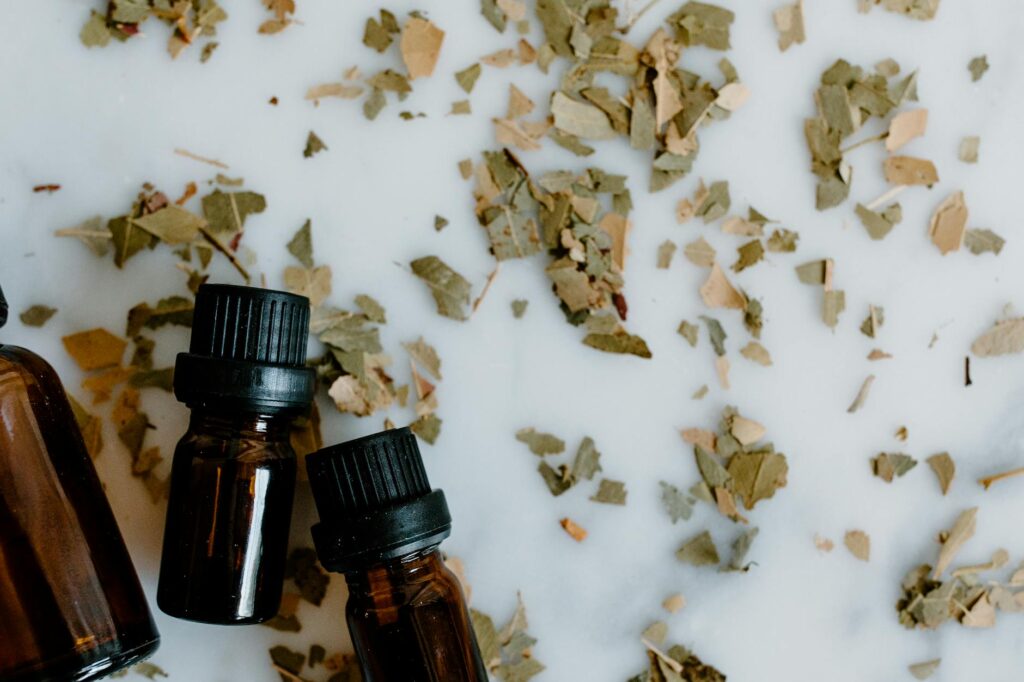
- Storage: Essential oils should be stored in a cool, dark place, away from direct sunlight and heat. Amber or cobalt glass bottles are ideal for preserving the oil’s integrity.
- Shelf Life: Lemon myrtle oil has a shelf life of approximately 1-2 years when stored correctly. However, always check for changes in color, scent, or consistency before use, as these may indicate that the oil has deteriorated.
Common Uses
Lemon myrtle oil can be used in various ways, including:
Aromatherapy Applications
In the realm of aromatherapy, lemon myrtle oil can be effectively incorporated into various practices:
Safety Considerations
While lemon myrtle oil offers numerous benefits, certain safety precautions must be observed:
1. Dilution: Always dilute lemon myrtle oil with a carrier oil before applying it to the skin. A general guideline is to use a dilution ratio of 1-2 drops of essential oil per teaspoon of carrier oil. This helps prevent skin irritation and enhances absorption.
2. Patch Test: Before using lemon myrtle oil topically, conduct a patch test on a small area of skin to check for any allergic reactions or sensitivities.
3. Pregnancy and Nursing: Pregnant or nursing individuals should consult with a healthcare provider before using lemon myrtle oil, as there is limited research on its safety in these populations.
4. Children and Infants: Caution is advised when using lemon myrtle oil around children. It is best to consult with a qualified aromatherapy practitioner before using it on young children or infants.
5. Pre-existing Conditions: Individuals with specific medical conditions or those taking medications should seek advice from a healthcare professional before incorporating lemon myrtle oil into their routine.
6. Photosensitivity: Although lemon myrtle oil is not known to cause significant photosensitivity, it is always prudent to avoid direct sunlight or UV exposure after topical application of citrus oils.
Storage and Shelf Life
Proper storage of lemon myrtle oil is essential to maintain its potency and quality:
Frequently Asked Questions
1. Can lemon myrtle oil be ingested?
While lemon myrtle oil is sometimes used in culinary applications, it is important to use it sparingly and ensure it is of food-grade quality. Consultation with a qualified health professional is recommended before ingestion.
2. Is lemon myrtle oil safe for sensitive skin?
Lemon myrtle oil can be irritating to sensitive skin if not properly diluted. Always conduct a patch test before widespread use and consult with an aromatherapy practitioner if you have concerns.
3. How can I incorporate lemon myrtle oil into my daily routine?
Lemon myrtle oil can be diffused in your home, added to bathwater, or used in DIY cleaning products. Its versatility allows for various applications, depending on personal preferences and needs.
4. What are the signs of an allergic reaction to lemon myrtle oil?
Signs of an allergic reaction may include redness, itching, swelling, or discomfort in the area of application. If any of these symptoms occur, discontinue use immediately and consult a healthcare professional if necessary.
5. Can lemon myrtle oil help with stress relief?
Many users report that the uplifting aroma of lemon myrtle oil assists in alleviating feelings of stress and anxiety. Using it in a diffuser or during massage can enhance relaxation.
Conclusion
Lemon myrtle oil is a versatile essential oil with a myriad of applications in aromatherapy and beyond. Its refreshing scent and potential health benefits make it a valuable addition to any collection of essential oils. However, safety remains a priority; proper dilution, storage, and knowledge of individual health conditions are essential to ensure a positive experience. By respecting these guidelines, individuals can enjoy the aromatic and therapeutic benefits of lemon myrtle oil safely and effectively.