
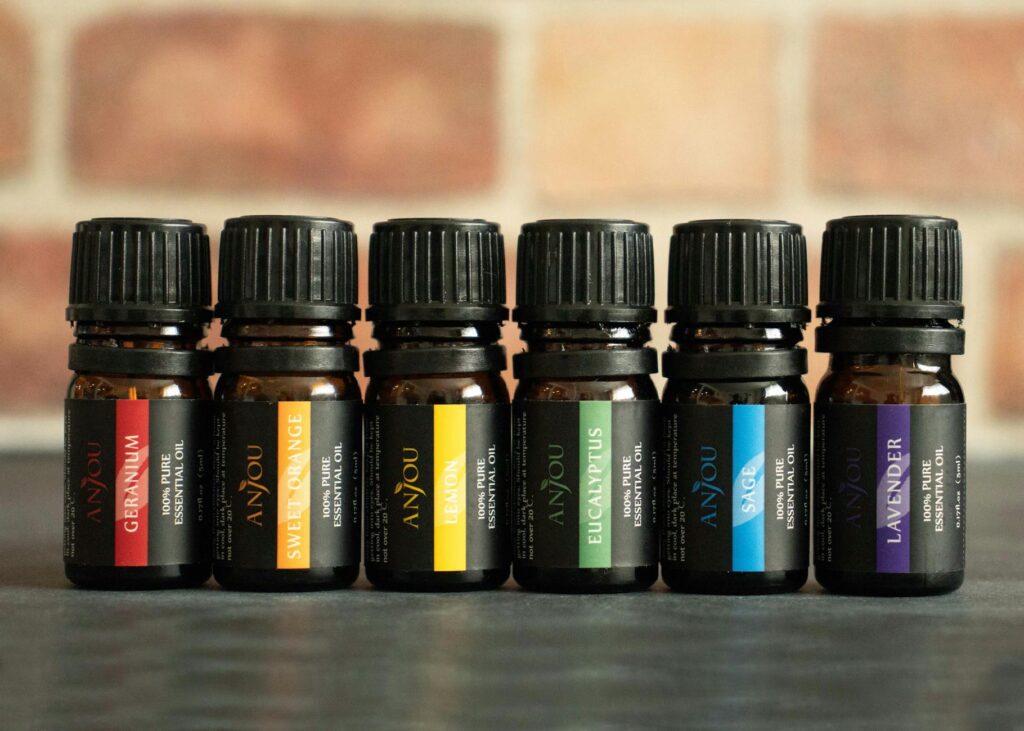
Aromatherapy Uses of Lemon Oil
Introduction
Aromatherapy, an ancient practice that harnesses the power of essential oils derived from plants, has gained popularity in modern wellness routines. Among the myriad of essential oils, lemon oil stands out for its invigorating scent and versatile applications. This article delves into the properties, benefits, and various uses of lemon oil, providing a comprehensive overview for those interested in enhancing their aromatherapy practices.
What Is Lemon Oil?
Lemon oil is an essential oil extracted from the peels of the Citrus limon fruit. The extraction process typically involves cold pressing, which preserves the oil’s natural properties and aromatic profile. Known for its bright, uplifting aroma, lemon oil has been used for centuries in culinary practices, traditional medicine, and, more recently, in aromatherapy.
The oil is primarily composed of monoterpenes, particularly limonene, which contributes to its characteristic scent and therapeutic qualities. Its fresh, zesty aroma can evoke feelings of cleanliness and positivity, making it a favorite in both personal care products and home fragrances.
Key Benefits and Properties
Lemon oil is celebrated for its diverse range of benefits and properties, making it an essential addition to any aromatherapy toolkit. Some of its key attributes include:
1. Uplifting and Energizing: The invigorating scent of lemon oil can elevate mood and stimulate mental clarity, making it useful for combating feelings of fatigue or lethargy.
2. Antimicrobial Properties: Lemon oil is known for its potential antibacterial and antiviral properties, which can help purify the air when diffused in a space.
3. Digestive Support: While not a substitute for medical treatment, the aroma of lemon oil is often associated with promoting digestive health and relieving feelings of nausea.
4. Skin Care: Lemon oil is sometimes included in beauty products for its potential astringent qualities, contributing to clearer skin.
5. Natural Insect Repellent: The scent of lemon oil can act as a natural deterrent for certain insects, making it a valuable addition to homemade repellents.
Common Uses
Lemon oil has a variety of practical applications, both within and outside the realm of aromatherapy. Here are some common uses:
1. Home Fragrance: Lemon oil can be used in diffusers, oil burners, or potpourri to create a bright, fresh atmosphere in any room.
2. Cleaning Products: Its natural antimicrobial properties make lemon oil a popular ingredient in homemade cleaning solutions, helping to disinfect surfaces and eliminate odors.
3. Personal Care: Many people incorporate lemon oil into their skincare routines, often diluting it with a carrier oil for topical application to benefit from its refreshing scent and potential skin-enhancing properties.
4. Culinary Uses: In addition to its aromatherapy applications, lemon oil can be used to enhance the flavor of dishes, though it should be used sparingly due to its potency.
5. Insect Repellent: Lemon oil can be combined with other essential oils to create a natural insect repellent for outdoor activities.
Aromatherapy Applications
In aromatherapy, lemon oil can be utilized in several ways to promote emotional and physical well-being. Common methods of application include:
1. Diffusion: Using a diffuser, lemon oil can be dispersed into the air, allowing its refreshing aroma to uplift the surrounding environment. This method is particularly effective in communal spaces to encourage a positive atmosphere.
2. Topical Application: When diluted with a suitable carrier oil (such as jojoba or coconut oil), lemon oil can be applied to pulse points or areas of tension for its invigorating effects. It is important to perform a patch test to ensure no skin sensitivity occurs.
3. Inhalation: Direct inhalation from the bottle or a cotton ball can provide immediate mood enhancement and mental clarity. This method is often used when feeling fatigued or overwhelmed.
4. Bathing: Adding a few drops of lemon oil to a warm bath can create a refreshing and energizing experience, transforming the bath into a rejuvenating ritual.
5. Massage: Combining lemon oil with a carrier oil for massage can enhance relaxation and provide an uplifting experience, particularly after a long day.
Safety Considerations
While lemon oil is generally safe for use in aromatherapy, certain precautions should be taken to ensure safe practices:
1. Skin Sensitivity: Lemon oil can cause photosensitivity, meaning it may increase the skin’s sensitivity to sunlight. It is advisable to avoid direct sunlight on areas where lemon oil has been applied for at least 12 hours.
2. Dilution: Always dilute lemon oil with a carrier oil before applying it to the skin to minimize the risk of irritation.
3. Pregnancy and Children: Caution is advised when using essential oils during pregnancy and on young children. It is recommended to consult with a knowledgeable professional before use.
4. Quality of Oil: Use high-quality, pure essential oils from reputable suppliers to ensure the safety and efficacy of the product.
5. Allergies: As with any essential oil, it is vital to be aware of potential allergies. A patch test on a small area of skin can help identify any adverse reactions.
Storage and Shelf Life
Proper storage is crucial for maintaining the quality and effectiveness of lemon oil. Here are some tips for optimal storage:
1. Dark Glass Bottles: Essential oils should be stored in dark glass bottles to protect them from light, which can degrade their properties over time.
2. Cool, Dry Place: Keep lemon oil in a cool, dry location away from direct sunlight and heat sources to prolong its shelf life.
3. Tightly Sealed: Ensure that the bottle is tightly sealed to prevent oxidation and evaporation.
Typically, lemon oil can last for about 1 to 2 years when stored properly. However, its aroma and potency may diminish over time, so it’s best to use it within the first year for optimal benefits.
Frequently Asked Questions
1. Can I ingest lemon oil?
While some essential oils are safe for ingestion, lemon oil is primarily used for aromatherapy and topical applications. Consult a healthcare professional before considering ingestion.
2. Is lemon oil safe for children?
Caution is advised when using lemon oil around children. Always dilute it properly and consult a pediatrician for guidance.
3. How do I know if my lemon oil is pure?
Look for oils labeled as “100% pure essential oil” and check for third-party testing or certifications from reputable suppliers.
4. Can lemon oil help with anxiety?
Many users report that the uplifting aroma of lemon oil enhances mood and reduces feelings of anxiety; however, individual experiences may vary.
5. Can I mix lemon oil with other essential oils?
Yes, lemon oil blends well with several oils, including lavender, peppermint, and eucalyptus. Experimenting with different combinations can enhance your aromatherapy experience.
Conclusion
Lemon oil is a versatile and uplifting essential oil that offers numerous benefits and applications in aromatherapy. From enhancing mood to purifying the environment, its invigorating properties make it a valuable addition to any wellness routine. As with all essential oils, proper usage, safety considerations, and storage practices are essential for maximizing its efficacy. By understanding the uses and benefits of lemon oil, individuals can harness its potential to enrich their lives and promote well-being.