
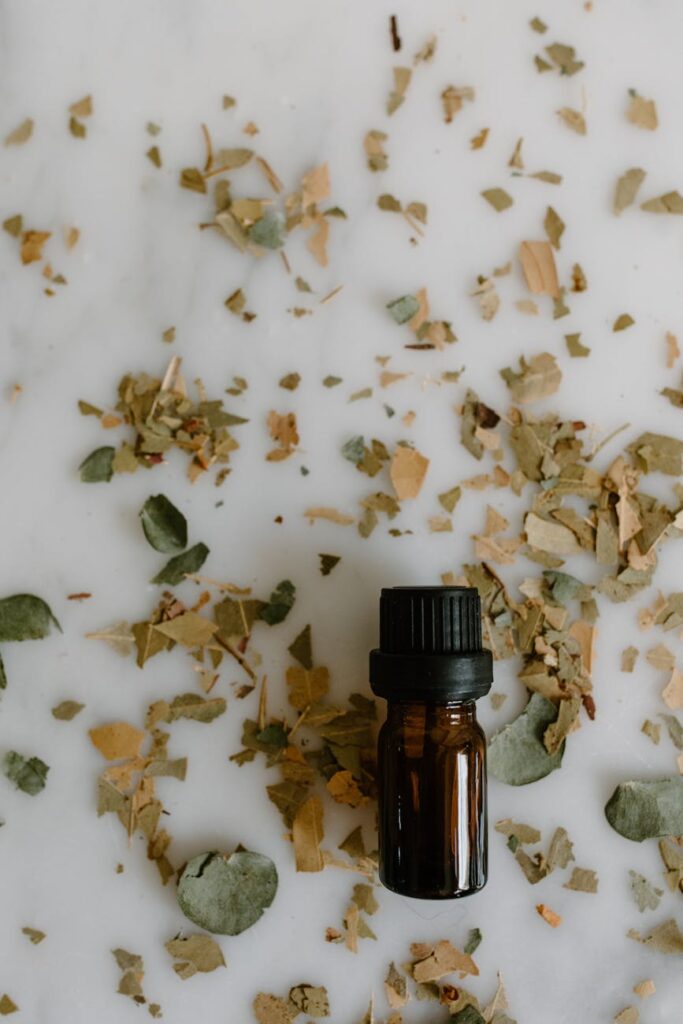
Aromatherapy Uses of Lemongrass Oil Safety
Introduction
Aromatherapy is a holistic healing practice that utilizes the natural aromatic properties of essential oils to promote physical, emotional, and mental well-being. Among the plethora of essential oils available, lemongrass oil stands out due to its refreshing fragrance and numerous beneficial properties. However, while its applications in aromatherapy are vast, it is crucial to understand the safety considerations associated with its use. This article aims to provide a comprehensive overview of lemongrass oil, focusing on its safety, benefits, and applications in aromatherapy.
What Is Lemongrass Oil Safety?
Lemongrass oil is derived from the leaves and stalks of the lemongrass plant (Cymbopogon citratus). This essential oil is characterized by its strong citrus scent, which is often described as invigorating and uplifting. However, like all essential oils, lemongrass oil must be handled with care to ensure safe usage.
Lemongrass oil safety encompasses several aspects, including proper dilution, potential skin sensitivities, and contraindications for specific populations. Understanding these factors is essential for anyone wishing to incorporate lemongrass oil into their aromatherapy practice.
Key Benefits and Properties
Lemongrass oil is celebrated not only for its aromatic properties but also for its various benefits:
1. Antimicrobial Properties: Lemongrass oil possesses natural antimicrobial properties, making it useful in purifying the air and surfaces.
2. Mood Enhancer: The refreshing scent of lemongrass oil is known to uplift mood and alleviate stress, making it a popular choice for promoting relaxation.
3. Anti-inflammatory Effects: Some studies suggest that lemongrass oil may have anti-inflammatory properties, which could be beneficial in soothing discomfort.
4. Digestive Aid: Although primarily used in culinary applications, lemongrass oil is believed to support digestive health when used correctly.
5. Insect Repellent: The oil is often used in natural insect repellents due to its ability to deter pests.
6. Skin Care: Lemongrass oil is sometimes included in skincare formulations for its purported astringent properties.
Common Uses
Lemongrass oil can be utilized in various ways, including but not limited to:
- Diffusion: Adding a few drops to a diffuser can help fill a space with its invigorating scent.
- Topical Application: When diluted with a carrier oil, lemongrass oil can be applied to the skin for localized benefits.
- Household Cleaning: Its antimicrobial properties make it a popular ingredient in homemade cleaning products.
- Culinary Uses: Though not directly related to aromatherapy, lemongrass is commonly used in cooking, particularly in Asian cuisines.
- Cool, Dark Place: Store lemongrass oil in a cool, dark area, away from direct sunlight and heat sources. This helps to preserve its aromatic and therapeutic properties.
- Tightly Sealed Containers: Ensure the oil is kept in tightly sealed, dark glass containers to prevent oxidation and degradation.
- Shelf Life: The shelf life of lemongrass oil is typically around 1-2 years, depending on storage conditions. Regularly check for any changes in aroma, color, or consistency, which may indicate that the oil has gone bad.
Aromatherapy Applications
In the realm of aromatherapy, lemongrass oil can be effectively utilized in the following ways:
1. Stress Relief: The uplifting scent of lemongrass can help reduce feelings of anxiety and stress. Diffusing lemongrass oil during meditation or yoga can enhance relaxation.
2. Concentration and Focus: Its invigorating aroma may stimulate mental clarity, making it an excellent choice for study or work environments.
3. Sleep Aid: When blended with calming oils like lavender, lemongrass can create a soothing atmosphere conducive to sleep.
4. Massage Therapy: When diluted properly, lemongrass oil can be incorporated into massage oils to provide a refreshing and invigorating experience.
5. Air Freshening: Its refreshing scent can be used in DIY air fresheners to eliminate odors and create a pleasant atmosphere.
Safety Considerations
While lemongrass oil has numerous benefits, it is essential to consider the following safety guidelines:
1. Dilution: Essential oils should always be diluted before topical application. A common guideline is to mix 1-3 drops of lemongrass oil with a carrier oil, such as coconut or jojoba oil.
2. Skin Sensitivity: Some individuals may experience skin irritation or allergic reactions when using lemongrass oil. Conducting a patch test prior to broader application is advisable.
3. Pregnancy and Nursing: Pregnant or breastfeeding individuals should consult with a qualified professional before using lemongrass oil, as certain essential oils may not be safe during these periods.
4. Children: Caution is advised when using essential oils around children. Lemongrass oil should be kept out of reach and used only with appropriate dilution.
5. Medical Conditions: Individuals with certain medical conditions or those taking specific medications should consult a healthcare provider before using lemongrass oil.
6. Phototoxicity: Although lemongrass oil is not commonly associated with phototoxicity, it is still wise to avoid direct sunlight or UV exposure on areas where the oil has been applied to the skin.
Storage and Shelf Life
Proper storage is crucial to maintaining the integrity and efficacy of lemongrass oil. Here are some guidelines:
Frequently Asked Questions
1. Can I ingest lemongrass oil?
Ingesting essential oils is a controversial topic and should only be done under the guidance of a qualified healthcare provider. While lemongrass is commonly used in cooking, the concentrated form in essential oil may not be safe for internal use.
2. Is lemongrass oil safe for sensitive skin?
Lemongrass oil may cause irritation in some individuals, particularly those with sensitive skin. Always perform a patch test before applying it more broadly.
3. Can lemongrass oil be used in a diffuser?
Yes, lemongrass oil is ideal for diffusion. Its invigorating aroma can enhance mood and improve the ambiance of a room.
4. Can I mix lemongrass oil with other essential oils?
Lemongrass oil blends well with other essential oils, such as lavender, eucalyptus, and peppermint. Experimenting with combinations can yield unique aromatic experiences.
5. How can I incorporate lemongrass oil into my cleaning routine?
Lemongrass oil can be added to homemade cleaning solutions, such as all-purpose sprays, for its natural antimicrobial properties and pleasant scent.
Conclusion
Lemongrass oil offers a multitude of benefits and applications within the realm of aromatherapy. Its uplifting aroma, coupled with its antimicrobial and potential anti-inflammatory properties, makes it a valuable addition to any essential oil collection. However, safety considerations must be prioritized to ensure a positive and beneficial experience. By following recommended guidelines for dilution, storage, and application, individuals can safely enjoy the invigorating effects of lemongrass oil in their aromatherapy practices.