
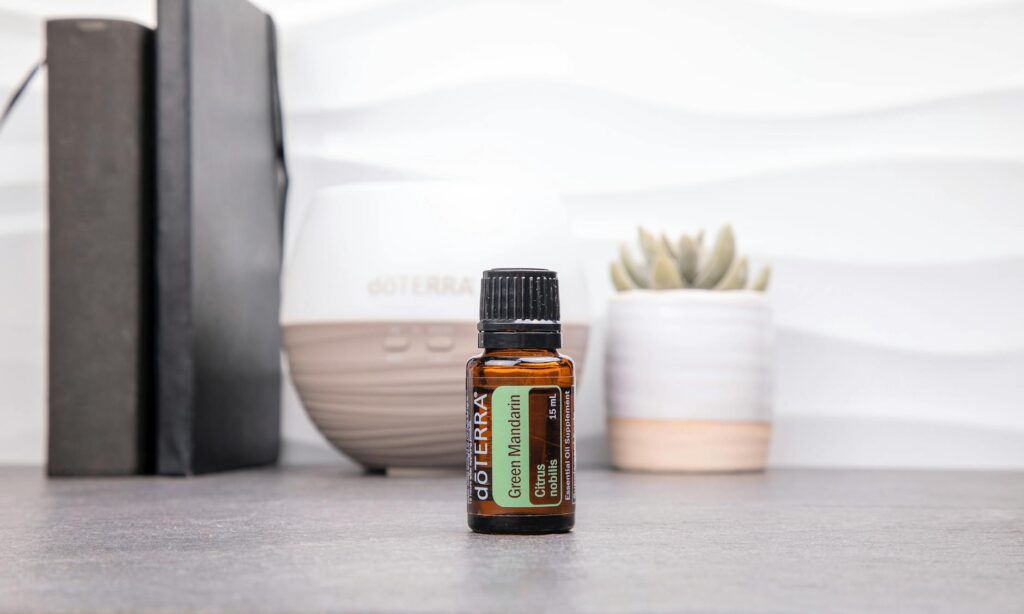
Aromatherapy Uses of Mandarin Oil
Introduction
Aromatherapy is a holistic healing practice that employs the use of essential oils to promote physical and psychological well-being. Among the multitude of essential oils available, mandarin oil has garnered attention for its uplifting aroma and versatile applications. This article delves into mandarin oil, exploring its properties, benefits, common uses, and safety considerations.
What Is Mandarin Oil?
Mandarin oil is derived from the peel of the mandarin orange (Citrus reticulata), a small citrus fruit belonging to the Rutaceae family. The oil is extracted through cold pressing, a method that preserves the oil’s delicate aroma and beneficial properties. The mandarin tree, native to Southeast Asia, has been cultivated for centuries and is valued not only for its sweet fruit but also for its aromatic oil.
Mandarin oil is characterized by its bright, fresh, and sweet scent, making it a popular choice in the world of aromatherapy. The oil is often used interchangeably with other citrus oils, such as sweet orange, but it has unique properties that set it apart.
Key Benefits and Properties
Mandarin oil is celebrated for its numerous benefits, which stem from its chemical composition. The primary constituents include:
- Limonene: Known for its uplifting and mood-enhancing properties.
- Myrcene: Offers a calming effect and helps relieve stress.
- Alpha-pinene: Known for its anti-inflammatory properties.
- Container: Store mandarin oil in a dark glass bottle to protect it from light, which can degrade the oil over time.
- Temperature: Keep it in a cool, dry place away from direct sunlight and heat sources.
- Shelf Life: Generally, mandarin oil has a shelf life of about 1-2 years when stored correctly. Always check the oil for any changes in smell or appearance before use.
Emotional and Psychological Benefits
1. Mood Booster: Mandarin oil is often used to alleviate feelings of anxiety and stress. Its sweet aroma is believed to evoke feelings of joy and contentment, making it an excellent choice for those seeking emotional balance.
2. Calming Effects: The oil is also recognized for its soothing properties. It can help create a tranquil environment, ideal for relaxation and meditation.
Physical Benefits
1. Digestive Aid: While not a substitute for medical treatment, mandarin oil is sometimes used in blends aimed at supporting digestive health.
2. Skin Care: With its gentle nature, mandarin oil is often included in skincare formulations, particularly for oily or acne-prone skin.
3. Antiseptic Properties: The oil possesses mild antiseptic qualities, making it useful in natural cleaning products.
Common Uses
Mandarin oil can be employed in various applications, from personal care to household use. Here are some common uses:
1. Diffusion
One of the most popular methods of using mandarin oil is through diffusion. By adding a few drops of the oil to a diffuser, the sweet aroma can fill a room, creating an inviting atmosphere.
2. Massage
When diluted with a carrier oil, mandarin oil can be used for massage. This combination can enhance relaxation and alleviate tension in the muscles.
3. Skincare
Mandarin oil can be incorporated into homemade skincare products, such as lotions and facial oils. Its gentle properties make it suitable for various skin types.
4. Household Cleaning
The oil’s antiseptic properties make it an effective ingredient in natural cleaning solutions. It can be added to homemade sprays or used to freshen up spaces.
5. Culinary Uses
While not as common, mandarin oil can also be used in cooking and baking. A few drops can enhance the flavor of desserts and beverages.
Aromatherapy Applications
In the realm of aromatherapy, mandarin oil can be utilized in various ways to enhance well-being. Here are some applications:
1. Stress Relief Blends
Mandarin oil can be combined with other essential oils known for their calming properties, such as lavender or chamomile. This blend can be used in a diffuser during stressful times or added to a warm bath for relaxation.
2. Sleep Support
To promote restful sleep, mandarin oil can be blended with oils like cedarwood or bergamot. This combination can be diffused in the bedroom or applied topically (with proper dilution) before bedtime.
3. Energizing Blends
For a mood lift during the day, mandarin oil can be combined with uplifting oils like rosemary or peppermint. This blend can be diffused in the workspace or inhaled directly from the bottle.
4. Skin Care Formulations
When creating skincare products, mandarin oil can be combined with carrier oils such as jojoba or sweet almond oil. This blend can be used for facial serums or moisturizing lotions.
5. Natural Air Fresheners
Mandarin oil can be added to a spray bottle filled with water to create a natural air freshener. This DIY solution can help eliminate odors while leaving a fresh scent.
Safety Considerations
While mandarin oil is considered safe for most individuals, certain precautions should be taken:
1. Dilution: Always dilute mandarin oil with a carrier oil before applying it to the skin. A general guideline is to use a 2% dilution, which equates to about 12 drops of essential oil per ounce of carrier oil.
2. Patch Test: Before using mandarin oil on the skin, conduct a patch test to check for any allergic reactions. Apply a small amount of diluted oil to a discreet area and wait 24 hours to observe any adverse effects.
3. Photosensitivity: Citrus oils, including mandarin, can cause photosensitivity. It is advisable to avoid sun exposure on areas of the skin where mandarin oil has been applied.
4. Pregnancy and Children: If pregnant or using essential oils on children, consult with a qualified professional for guidance on safe usage.
5. Quality: Always choose high-quality, pure mandarin oil from reputable sources to ensure its efficacy and safety.
Storage and Shelf Life
Proper storage of mandarin oil is essential to maintain its quality. Here are some guidelines:
Frequently Asked Questions
1. Can mandarin oil be ingested?
While mandarin oil is sometimes used in culinary applications, it is crucial to ensure the oil is food-grade and consult with a professional before ingestion.
2. Is mandarin oil safe for children?
Mandarin oil can be used for children, but it should always be properly diluted and a patch test should be conducted first. Consult with a professional for specific guidance.
3. Can mandarin oil help with anxiety?
Mandarin oil is often associated with mood enhancement and relaxation. While many people find its aroma calming, individual experiences may vary.
4. How can I use mandarin oil in my skincare routine?
Mandarin oil can be added to a carrier oil or moisturizer for a nourishing skincare routine. Always dilute the oil and conduct a patch test prior to widespread use.
5. What is the difference between mandarin oil and other citrus oils?
While mandarin oil shares some properties with other citrus oils, such as sweet orange or lemon, it is noted for its gentler aroma and milder effects, making it suitable for sensitive skin and children.
Conclusion
Mandarin oil stands out as a valuable asset in the world of aromatherapy, offering a delightful scent and a range of benefits. Whether used for stress relief, skincare, or household cleaning, its versatility and unique properties make it a popular choice among essential oil enthusiasts. By understanding its uses and safety considerations, individuals can harness the uplifting qualities of mandarin oil to enhance their overall well-being.