
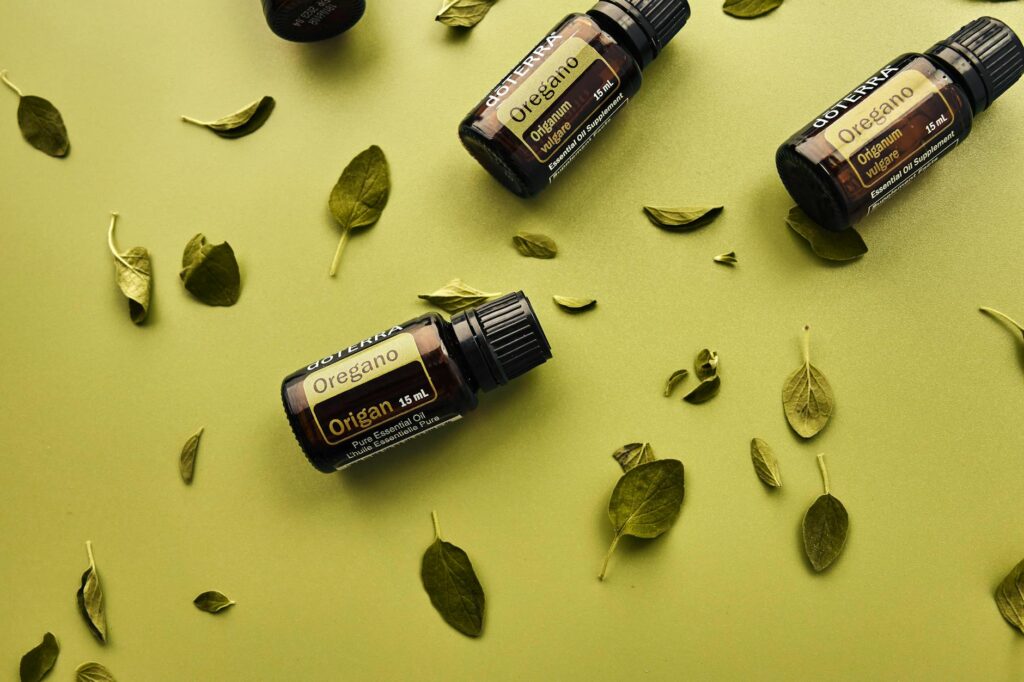
Aromatherapy Uses of Marjoram Oil Safety
Introduction
Aromatherapy has garnered significant attention in recent years, with many individuals seeking natural alternatives for relaxation, stress relief, and overall well-being. Among the myriad of essential oils available, marjoram oil stands out for its aromatic and therapeutic properties. Derived from the leaves of the Origanum majorana plant, marjoram oil possesses a rich history in traditional medicine and culinary uses. This article delves into the safety considerations associated with marjoram oil, its benefits, applications, and best practices for storage, ensuring a comprehensive understanding of this popular essential oil.
What Is Marjoram Oil Safety?
Marjoram oil, like all essential oils, must be used with caution. While it is generally recognized as safe for use in aromatherapy, it is vital to understand the appropriate usage guidelines. Safety considerations encompass several factors, including dilution, individual sensitivities, and potential contraindications for specific populations, such as pregnant individuals or those with certain medical conditions. This section will outline these considerations to ensure a safe experience when using marjoram oil.
Key Benefits and Properties
Marjoram oil is celebrated for its numerous therapeutic properties. Some of the key benefits include:
1. Relaxation and Stress Relief: Marjoram oil is often associated with calming effects, making it a popular choice for those seeking to reduce anxiety and promote relaxation.
2. Antimicrobial Properties: Preliminary studies suggest that marjoram oil may exhibit antimicrobial activity, potentially aiding in the prevention of infections.
3. Digestive Support: Traditionally, marjoram has been used to alleviate digestive discomfort. Its warm, spicy aroma is thought to promote digestive health.
4. Muscle Relief: The oil is often used topically to soothe sore muscles and joints, thanks to its warming and anti-inflammatory properties.
5. Mood Enhancement: The comforting scent of marjoram oil may contribute to an improved mood, making it a valuable addition to emotional well-being practices.
Common Uses
Marjoram oil can be used in various contexts, including:
- Aromatherapy Diffusion: Adding a few drops of marjoram oil to a diffuser can create a serene atmosphere, ideal for relaxation and stress reduction.
- Topical Application: When diluted with a carrier oil, marjoram oil can be applied to the skin to relieve muscle tension or discomfort.
- Baths: Incorporating marjoram oil into bathwater can enhance relaxation and provide a soothing aromatic experience.
- Massage: Used in massage oils, marjoram oil may help ease muscle soreness and promote relaxation.
- Culinary Uses: While primarily used in aromatherapy, marjoram oil can also be utilized in cooking, adding flavor to various dishes. However, caution should be exercised due to the potency of essential oils.
- Storage Conditions: Store marjoram oil in a cool, dark place away from direct sunlight. Amber or cobalt glass bottles are ideal as they protect the oil from light degradation.
- Shelf Life: When stored correctly, marjoram oil typically has a shelf life of 2 to 3 years. However, it is advisable to check for any changes in scent or consistency before use.
Aromatherapy Applications
The versatility of marjoram oil makes it suitable for various aromatherapy applications:
1. Relaxation Blends
Combining marjoram oil with other calming essential oils, such as lavender or chamomile, can create effective relaxation blends. These blends can be used in diffusers or added to bathwater for an immersive, calming experience.
2. Muscle Relief Formulas
For those seeking relief from muscle soreness, marjoram oil can be blended with eucalyptus or peppermint oil. This combination can be diluted in a carrier oil and massaged into sore areas for soothing effects.
3. Sleep Support
Incorporating marjoram oil into bedtime routines can support restful sleep. Blending it with oils like bergamot or sandalwood can enhance its calming effects, making it a valuable addition to pre-sleep rituals.
4. Meditative Practices
Marjoram oil can be used during meditation or yoga practices to create a grounding atmosphere. Its warm, herbaceous scent may help individuals focus and relax, enhancing their overall experience.
Safety Considerations
While marjoram oil is generally regarded as safe, certain precautions should be taken:
1. Dilution
Essential oils should always be diluted before topical application to minimize the risk of skin irritation. A common dilution ratio is 2-3 drops of marjoram oil per teaspoon of carrier oil (such as coconut, jojoba, or almond oil).
2. Patch Testing
Before using marjoram oil on a larger area of the skin, it is advisable to perform a patch test. Apply a diluted drop to a small skin area and wait 24 hours to determine if any adverse reactions occur.
3. Pregnancy and Nursing
Pregnant and nursing individuals should consult with a healthcare professional before using marjoram oil, as some essential oils can have contraindications during these periods.
4. Pre-existing Conditions
Individuals with specific health conditions, such as hypotension or certain allergies, should exercise caution and consult with a qualified professional before incorporating marjoram oil into their routine.
5. Children
Essential oils should be used with caution around children. Marjoram oil is generally not recommended for use with infants and young children. Consult with a pediatrician before introducing essential oils to children.
Storage and Shelf Life
To ensure the longevity and effectiveness of marjoram oil, proper storage is essential:
Frequently Asked Questions
1. Can marjoram oil be ingested?
While marjoram oil can be used in cooking, it is important to use it sparingly due to its potency. It is advisable to consult with a qualified professional before ingesting any essential oil.
2. Is marjoram oil safe for sensitive skin?
Individuals with sensitive skin should perform a patch test before using marjoram oil. Diluting the oil with a carrier oil can help reduce the risk of irritation.
3. What are the best carrier oils to use with marjoram oil?
Common carrier oils for diluting marjoram oil include coconut oil, jojoba oil, sweet almond oil, and grapeseed oil. Choose a carrier oil based on personal preferences and skin types.
4. Can marjoram oil help with sleep issues?
Many individuals find that the calming properties of marjoram oil support relaxation and may enhance sleep quality. Incorporating it into bedtime routines can be beneficial.
5. How can I incorporate marjoram oil into my daily routine?
Marjoram oil can be added to diffusers, bathwater, massage oils, or personal care products. Experimenting with different applications can help identify the best fit for individual preferences.
Conclusion
Marjoram oil is a versatile and valuable essential oil in aromatherapy, offering numerous benefits for relaxation, muscle relief, and mood enhancement. While it is generally safe, understanding the precautions and proper usage guidelines is essential for a positive experience. By adhering to safety considerations, individuals can enjoy the aromatic and therapeutic properties of marjoram oil while promoting overall well-being. Whether through diffusion, topical application, or incorporation into daily rituals, marjoram oil can be a delightful addition to one’s aromatherapy practices.