
Aromatherapy Uses of Massage Blends
Introduction
Aromatherapy, the practice of using essential oils for therapeutic purposes, has gained popularity worldwide for its potential benefits in promoting relaxation, enhancing mood, and alleviating various discomforts. One of the most effective ways to harness the power of essential oils is through massage blends. This article delves into what massage blends are, their benefits, common uses, and how to safely incorporate them into your wellness routine.
What Is Massage Blends?
Massage blends are specific combinations of essential oils mixed with carrier oils to create a formulation designed for topical application during massage therapy. These blends are crafted to enhance the benefits of both the essential oils and the massage itself, promoting relaxation, relief from tension, and overall well-being. Carrier oils, such as sweet almond, jojoba, or coconut oil, dilute the concentrated essential oils, making them safe for direct skin application.
Key Benefits and Properties
The benefits of using massage blends in aromatherapy are multi-faceted. Here are some of the key advantages:
Relaxation and Stress Relief
Essential oils like lavender and chamomile are renowned for their calming properties. When used in massage blends, they can help reduce stress and promote a sense of tranquility. The act of massage itself also encourages relaxation by easing muscle tension and improving circulation.
Pain Relief
Certain essential oils, such as peppermint and eucalyptus, possess analgesic properties that may help alleviate discomfort associated with sore muscles, joint pain, and headaches. When incorporated into massage blends, these oils can provide targeted relief during a massage session.
Improved Circulation
Massage promotes blood flow, and when combined with essential oils known to stimulate circulation, such as ginger or rosemary, the effects are enhanced. Improved circulation can aid in the delivery of oxygen and nutrients to tissues, supporting overall health.
Emotional Balance
Aromatherapy can have profound effects on emotional well-being. Essential oils like bergamot and ylang-ylang are often used in massage blends to uplift mood and reduce feelings of anxiety or sadness. The sensory experience of inhaling these scents during a massage can create a holistic healing environment.
Skin Benefits
Certain essential oils, such as tea tree and frankincense, offer antibacterial and anti-inflammatory properties. When included in massage blends, they can help improve skin health, addressing concerns like acne or irritation while providing a soothing experience during the massage.
Common Uses
Massage blends are versatile and can be tailored to meet specific needs. Here are some common applications:
Relaxation Massage
A popular use of massage blends is for relaxation. Blends containing calming oils like lavender, geranium, and sandalwood can create a serene atmosphere, making them ideal for stress relief and relaxation.
Sports Massage
Athletes often seek massage blends that enhance performance and recovery. Blends with invigorating oils such as peppermint, rosemary, and black pepper can help warm up muscles before activity or cool them down post-exercise.
Therapeutic Massage
Therapeutic blends aim to address specific physical or emotional issues. For example, blends for chronic pain might include oils like marjoram and ginger, while blends for emotional support might feature oils like clary sage and bergamot.
Aromatherapy for Sleep
Combining soothing essential oils in a massage blend can promote better sleep quality. Oils like lavender, chamomile, and cedarwood are often included in blends designed to calm the mind and prepare the body for restful sleep.
Aromatherapy Applications
There are several methods for applying massage blends, each offering a unique experience:
Topical Application
The most common method involves applying the massage blend directly to the skin. This can be done during a massage session, where the practitioner uses the blend to work into the muscles, or for self-massage at home.
Diffusion
While not a traditional application for massage blends, diffusing the oils beforehand can prepare the environment, enhancing the overall experience. The aroma fills the space, creating a soothing atmosphere that complements the physical massage.
Bathing
Incorporating massage blends into a bath can also provide therapeutic benefits. Adding a few drops of the blend to a warm bath allows the essential oils to be absorbed through the skin while the steam carries the scents to your senses.
Safety Considerations
While aromatherapy and massage blends can offer many benefits, it is important to practice safety. Here are some guidelines:
Dilution
Essential oils are highly concentrated and should always be diluted in a carrier oil before applying to the skin. A general guideline is to use a 2-3% dilution rate, which translates to about 12-18 drops of essential oil per ounce of carrier oil.
Skin Sensitivity
Before using a new blend, it is wise to conduct a patch test to check for potential allergic reactions. Apply a small amount of the diluted blend to a discreet area of skin and wait 24 hours to see if any irritation occurs.
Pregnancy and Medical Conditions
Certain essential oils are contraindicated during pregnancy or may interact with specific medical conditions or medications. It is advisable to consult with a qualified practitioner before using essential oils, especially if you are pregnant, nursing, or managing a chronic health issue.
Quality of Oils
Opt for high-quality, pure essential oils from reputable sources. Look for oils that are labeled as 100% pure and free from synthetic additives. The quality of oils can significantly impact their effectiveness and safety.
Storage and Shelf Life
Proper storage of massage blends is essential to maintain their integrity and effectiveness. Here are some tips for storage:
Containers
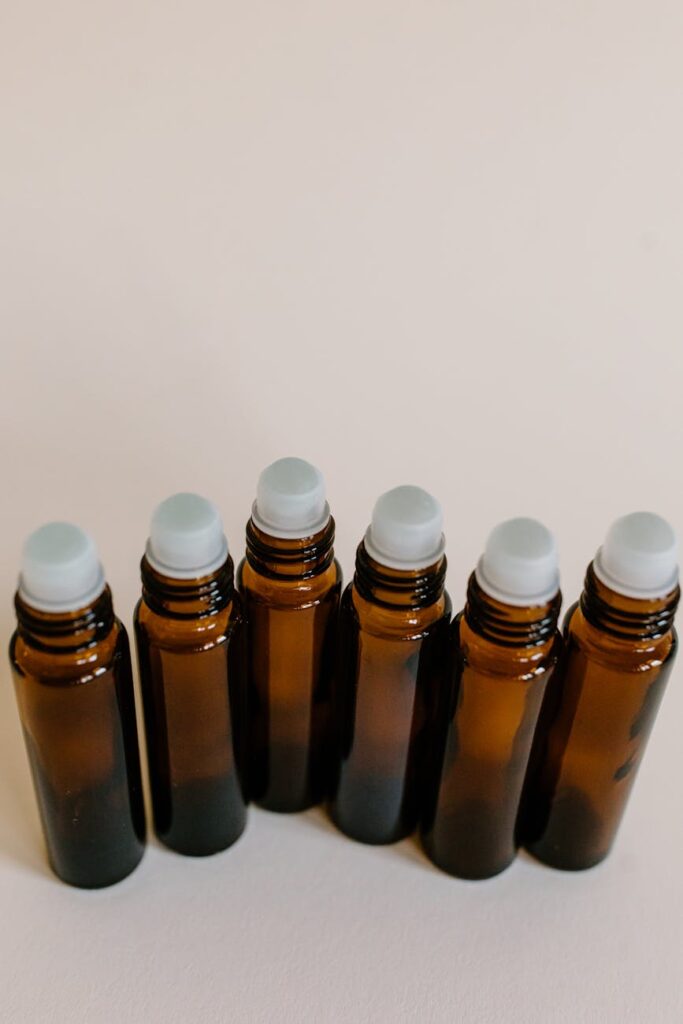
Store your massage blends in dark glass bottles to protect them from light, which can degrade the oils over time. Amber or cobalt blue bottles are excellent choices.
Temperature
Keep your blends in a cool, dry place away from direct sunlight and heat sources. High temperatures can alter the chemical composition of the oils.
Shelf Life
The shelf life of massage blends can vary depending on the oils used and storage conditions. Generally, essential oils can last from 1 to 5 years, while carrier oils may have shorter shelf lives. Regularly check your blends for any changes in smell or consistency, which may indicate spoilage.
Frequently Asked Questions
Can I create my own massage blends at home?
Yes, creating your own massage blends can be a rewarding experience. Start with a few essential oils that suit your needs, and mix them with a suitable carrier oil. Always perform a patch test before using your blend on larger areas of skin.
How often can I use massage blends?
Massage blends can be used as frequently as desired, depending on personal needs and sensitivities. However, it is advisable to give your skin a break if you experience any irritation.
Are massage blends safe for children?
Certain essential oils can be safe for children when appropriately diluted and used in moderation. Always consult a qualified aromatherapist or healthcare provider for guidance on the best oils and dilution ratios for children.
How can I enhance my massage experience?
Consider setting the mood for your massage by using calming music, dim lighting, and aromatic candles. Diffusing a complementary essential oil can also enhance the sensory experience, making it more enjoyable and effective.
Conclusion
Massage blends hold a special place in the world of aromatherapy, allowing individuals to experience the combined benefits of essential oils and massage therapy. By understanding their properties, uses, and safety considerations, you can create a personalized approach to enhance your wellness routine. Whether seeking relaxation, pain relief, or emotional balance, these blends offer a holistic pathway to well-being.