
Aromatherapy Uses of Medicinal Perennials
Introduction
Aromatherapy, the practice of using essential oils extracted from plants for therapeutic benefits, has gained significant popularity in recent years. Among the plant sources, medicinal perennials stand out for their longevity, resilience, and the rich array of compounds they offer. These plants not only serve as a source of essential oils but also contribute to the holistic approach that aromatherapy embodies. This article explores the concept of medicinal perennials, their benefits, common uses, and applications in aromatherapy.
What Is Medicinal Perennials?
Medicinal perennials are plants that live for more than two years and possess therapeutic properties. Unlike annuals, which complete their life cycle within a single growing season, perennials return year after year, often growing larger and more robust with each cycle. Many medicinal perennials have been utilized for centuries in traditional medicine systems around the world, including Ayurveda, Traditional Chinese Medicine, and Western herbalism.
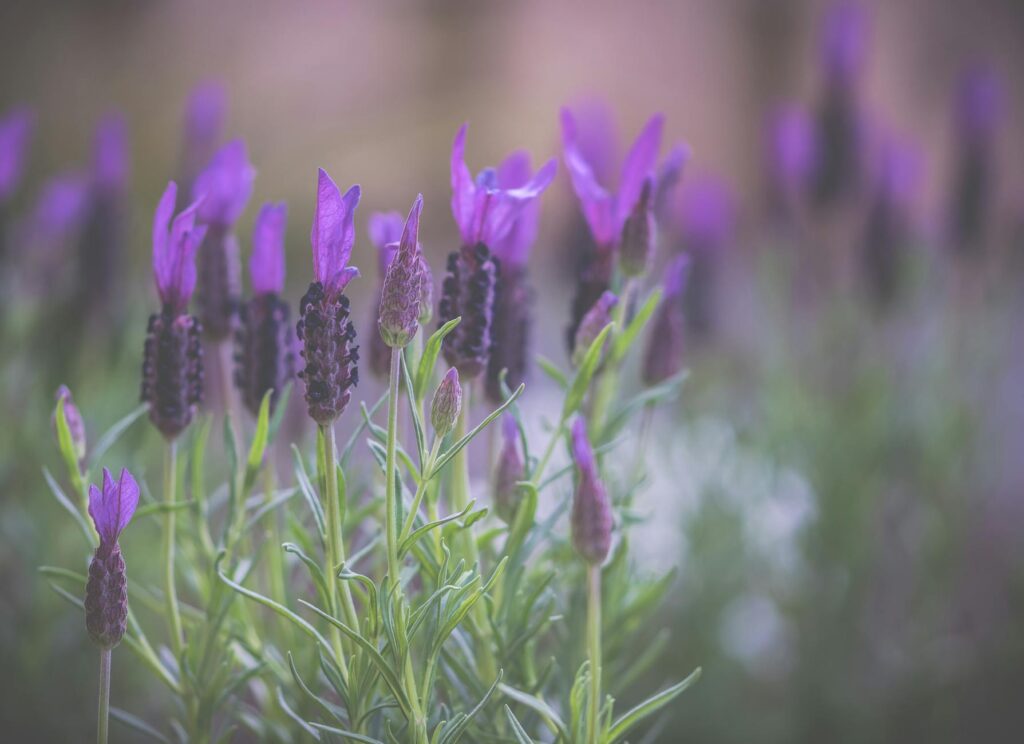
Examples of medicinal perennials include lavender (Lavandula angustifolia), peppermint (Mentha × piperita), and rosemary (Salvia rosmarinus). These plants are valued not only for their essential oils but also for their historical significance in various cultures.
Key Benefits and Properties
Medicinal perennials are rich in bioactive compounds that provide various benefits. The key properties often associated with these plants include:
1. Antimicrobial: Many essential oils derived from medicinal perennials possess antimicrobial properties, making them effective against bacteria, fungi, and viruses.
2. Anti-inflammatory: Certain oils can help reduce inflammation, alleviating discomfort associated with various conditions.
3. Calming and Relaxation: Many medicinal perennials, such as lavender, are known for their calming effects, promoting relaxation and reducing stress.
4. Digestive Support: Some perennials, like peppermint, are traditionally used to aid digestion and alleviate gastrointestinal discomfort.
5. Mood Enhancement: Aromatherapy with medicinal perennials can enhance mood and emotional well-being, often utilized in stress relief and anxiety management.
Common Uses
Medicinal perennials have a multitude of applications beyond aromatherapy. Common uses include:
- Herbal Teas: Many of these plants can be brewed into teas for their health benefits.
- Topical Applications: Essential oils can be diluted and applied to the skin for localized relief.
- Culinary Uses: Herbs like thyme and oregano are not only flavorful but also offer health benefits when used in cooking.
- Natural Remedies: Some medicinal perennials are used in tinctures, salves, and extracts for various ailments.
- Dilution: Essential oils should be diluted with a carrier oil before topical application to prevent skin irritation.
- Allergies: Always conduct a patch test prior to widespread use to check for allergic reactions.
- Pregnancy and Nursing: Certain essential oils may not be safe for use during pregnancy or nursing. Consult with a knowledgeable practitioner for guidance.
- Medical Conditions: Individuals with specific health conditions or those taking medications should consult with a healthcare provider before using essential oils.
- Quality of Oils: Always choose high-quality, pure essential oils from reputable sources to ensure safety and efficacy.
- Storage Conditions: Essential oils should be stored in a cool, dark place, away from direct sunlight and heat sources. A cabinet or drawer is ideal.
- Container Type: Dark glass containers (amber or cobalt blue) are recommended to protect the oils from light degradation.
- Shelf Life: While the shelf life can vary depending on the specific oil, most essential oils can last from 1 to 3 years when stored properly. Citrus oils generally have a shorter shelf life, while oils like patchouli can last much longer.
While their versatility is notable, it is important to approach their use with care and respect, particularly when using essential oils.
Aromatherapy Applications
Aromatherapy utilizes essential oils derived from medicinal perennials to promote physical and emotional well-being. Here are some common applications:
1. Diffusion
Essential oils can be diffused in the air using a diffuser, allowing their aroma to fill a space. This method is effective for creating a calming environment or uplifting mood. For example, lavender essential oil is often used in the evening to encourage relaxation and improve sleep quality.
2. Inhalation
Direct inhalation of essential oils can provide immediate benefits. A few drops of oil can be added to a handkerchief or inhaler, allowing for quick relief from stress or anxiety. Peppermint oil, for instance, can invigorate and enhance focus when inhaled.
3. Topical Application
When diluted with a carrier oil, essential oils can be applied directly to the skin. This method is often used for localized relief from muscle tension, headaches, or skin conditions. Rosemary oil is frequently used to alleviate muscle pain when massaged onto sore areas.
4. Bathing
Adding essential oils to a warm bath can create a soothing experience. Oils like chamomile and ylang-ylang can enhance relaxation and promote emotional balance.
5. Massage
Incorporating essential oils into massage therapy can amplify the benefits of both the massage and aromatherapy. A blend of lavender and sweet almond oil can provide a calming and restorative massage experience.
Safety Considerations
While essential oils from medicinal perennials offer numerous benefits, safety should always be a priority. Key considerations include:
Storage and Shelf Life
Proper storage of essential oils is essential for maintaining their potency and effectiveness. Here are some guidelines:
Frequently Asked Questions
What are the differences between essential oils and fragrant oils?
Essential oils are concentrated plant extracts that contain the natural aroma and therapeutic properties of the plant. Fragrant oils, on the other hand, are synthetic or partially synthetic and may not offer the same benefits.
Can I use essential oils internally?
While some essential oils are safe for internal use, it is crucial to consult with a qualified healthcare professional. Not all essential oils are safe for ingestion, and improper use can lead to adverse effects.
How do I choose the right essential oil?
Choosing the right essential oil depends on your specific needs and preferences. Research the properties and benefits of different oils, and consider your desired outcome, whether it be relaxation, focus, or pain relief.
Are there any contraindications for using essential oils?
Yes, certain essential oils may interact with medications or exacerbate medical conditions. It is essential to consult with a knowledgeable practitioner, especially if you have existing health concerns.
How can I incorporate essential oils into my daily routine?
You can incorporate essential oils into your daily routine through various methods, such as diffusing them during work or relaxation, adding them to your bath, or using them in massage. Experiment to find what works best for you.
Conclusion
Medicinal perennials play a vital role in the world of aromatherapy, offering a rich tapestry of benefits and applications. Their longevity and resilience make them valuable resources for enhancing well-being. By understanding their properties, uses, and safety considerations, individuals can effectively incorporate these plants into their lives, harnessing the power of nature for holistic health. As with any natural remedy, respect and informed use are key to maximizing the benefits of these extraordinary plants.